

You’re walking through a store with nothing specific in mind, when suddenly, your eyes lock onto a product and—before you know it—you’ve decided to buy it. But was that actually your decision? Or had your mind already been nudged in that direction by subtle cues you didn’t even notice? Today, we’re going to get to the bottom of this by diving into the “priming effect.” Get ready for a fascinating psychological journey into how the cues we’re exposed to without realizing it shape our decisions and even our behavior. Let’s explore how this impressive process works.
First, let’s get acquainted with this technical term and make it our new best friend, shall we?
What is the Priming Effect?
The “priming effect” is essentially a mechanism where a stimulus unconsciously shapes an individual’s subsequent thoughts, perceptions, or behaviors. For example, when someone is exposed to words like “kind” or “polite,” they might tend to act more kindly for a period afterward. In one experiment, participants read a text filled with words related to kindness and were then sent to another room for a task. Upon entering, they found a researcher chatting with someone else. As it turned out, those primed with “kind” words were more patient and polite while waiting for the conversation to end compared to others.

Similarly, seeing someone holding a hot cup of coffee in an advertisement can lead a viewer to have warmer feelings toward that product. In one study, participants were given either a hot or cold drink and then asked to evaluate a stranger. Those holding the hot drink rated the stranger as warmer, more friendly, and more trustworthy than those holding the cold drink. This happens because our minds trigger pre-existing associations based on a simple, subtle factor.

In short, this is an automatic, subconscious mechanism of our brain. When we hear a word, see someone, or encounter a concept, our brain immediately supports it with associations. For instance, if someone hears the word “sea,” they are likely to recall words like “sand,” “sun,” or “blue” more quickly immediately afterward. Another example was seen in a store experiment: when a light lemon scent was sprayed into a shop, it was found that customers were more drawn to cleaning products. This happened because the brain triggered the pre-existing link between the “scent of lemon” and “cleanliness.”
There are a few types of priming, and understanding them will give us an even better look at how and why we get “triggered.”
Types of Priming Effect
The first and simplest type is “Semantic Priming.” This is exactly what we saw in the sea example: hearing a word and thinking of other related concepts. If I say “school,” this is what makes “class,” “homework,” or “teacher” pop into your head. This is important because the classifications your brain makes are brought to life through this type of priming.
“Perceptual Priming” takes things a step further. This is how, when you see a logo or hear a brand name, you immediately remember its slogan or think of its products. It happens because our brain pulls up relevant data to clarify an abstract concept instantly.
Now, let’s get to the more internal triggers! The next three types we’ll look at are more emotional in nature. For example, in “Affective Priming,” an idea or concept influences our attitude. Imagine you watched a brave character in a movie and the concept of “courage” took root in you. For a while afterward, that concept occupies your mind, and you become more inclined to act bravely.

But what if this affected your physical actions, too? For instance, if we said “old” or “heavy” to you, do you think your movements would change? Cognitively speaking, the answer is yes! Another experiment by Bargh and his colleagues, which Daniel Kahneman discusses in his book Thinking, Fast and Slow, sums this up. In this study, participants were given sentences containing words related to “old age” (like “cane,” “wrinkle,” or “loneliness”) and asked to read them. The true purpose of the experiment wasn’t shared with them.
Later, when participants left the room and walked down the hallway, it was observed that those who had read those specific words walked more slowly without realizing it. Simply being exposed to words related to old age caused people to act “like an old person” subconsciously. This shows how a concept can physically manifest in our actions. Another example is how it directly affects your mood. When we read a text containing positive words like “success,” “peace,” and “happiness,” our brain focuses on these positive concepts, which can improve our emotional state. In fact, if done correctly, even if you read a text about a concept you don’t like, including these words can shift your mood and approach in a positive direction.
The Priming Effect in Daily Life
Looking at all of this, we can easily say that the priming effect is a powerful cognitive mechanism that shapes our thoughts and behaviors throughout our daily lives without our awareness. It appears everywhere—from advertising to education, politics to our social lives. For example, seeing happy, energetic people consuming a drink in an ad can create the impression that drinking it will make us happier, too.
Similarly, the constant emphasis on words like “crisis,” “threat,” or “danger” in the news can lead people to perceive the world as a more dangerous place than it actually is. A similar situation exists in education; a student encountering a specific concept frequently allows them to recall that information more quickly.
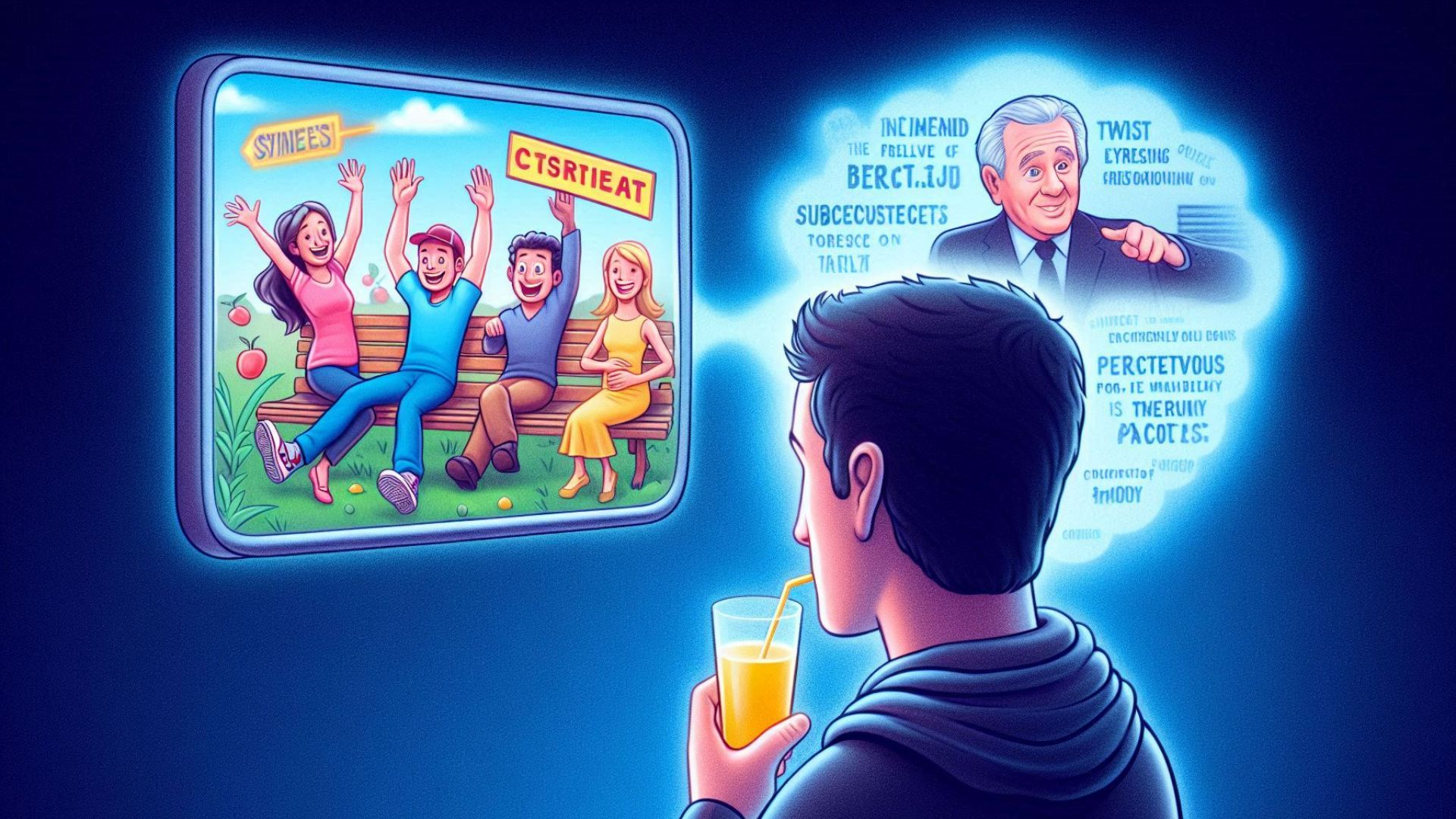
In daily communication, when we hear positive things about someone, we can develop a positive attitude toward them even before we’ve actually met them.
In short, we are exposed to the priming effect in our daily lives without even realizing it. Ads, colors, scents, and even ordinary words can leave a deep mark on our minds. Advertisements, in particular, exploit this weakness of our brain to push us into buying things we don’t even need. Noticing this effect is the first step toward reducing its power over us. From now on, when you feel guided to buy a product or find yourself leaning toward an idea without a clear reason, stop and think: “Is this really my decision, or has my subconscious already been primed?”
References and Further Reading
Priming – the Decision lab. (n.d.). The Decision Lab. https://thedecisionlab.com/biases/priming
Priming Effect Theory | Definition, Types & Examples. (n.d.). Study.com. https://study.com/academy/lesson/the-priming-effect-accessibility-priming-perceptual-salience.html
The Editors of Encyclopaedia Britannica. (2025, June 24). Daniel Kahneman | Biography, Nobel Prize, & Facts. Encyclopedia Britannica. https://www.britannica.com/biography/Daniel-Kahneman
Thinking, fast and slow. (n.d.). Goodreads. https://www.goodreads.com/book/show/11468377-thinking-fast-and-slow
Originally published in Turkish at Doğa Filozofu.