



Familial Mediterranean Fever (FMF) is a genetic autoinflammatory disorder—meaning it’s a condition where the immune system mistakenly triggers inflammation, even when there is no actual threat to the body’s tissues. While it’s considered a rare disease, it undeniably leaves a significant mark on the daily lives of those who have it. Living with FMF isn’t just about battling physical symptoms; it’s also about navigating the challenges of a condition that remains largely misunderstood by the general public. To make matters more complicated, its symptoms often mimic those of other illnesses, making an accurate diagnosis feel like a moving target.
In this article, we’ll dive into the science behind FMF, how the diagnostic process works, and ways to manage the impact of its symptoms. Let’s get to know this condition—which we’ll refer to as FMF—a little better!
A Scientific Look at FMF
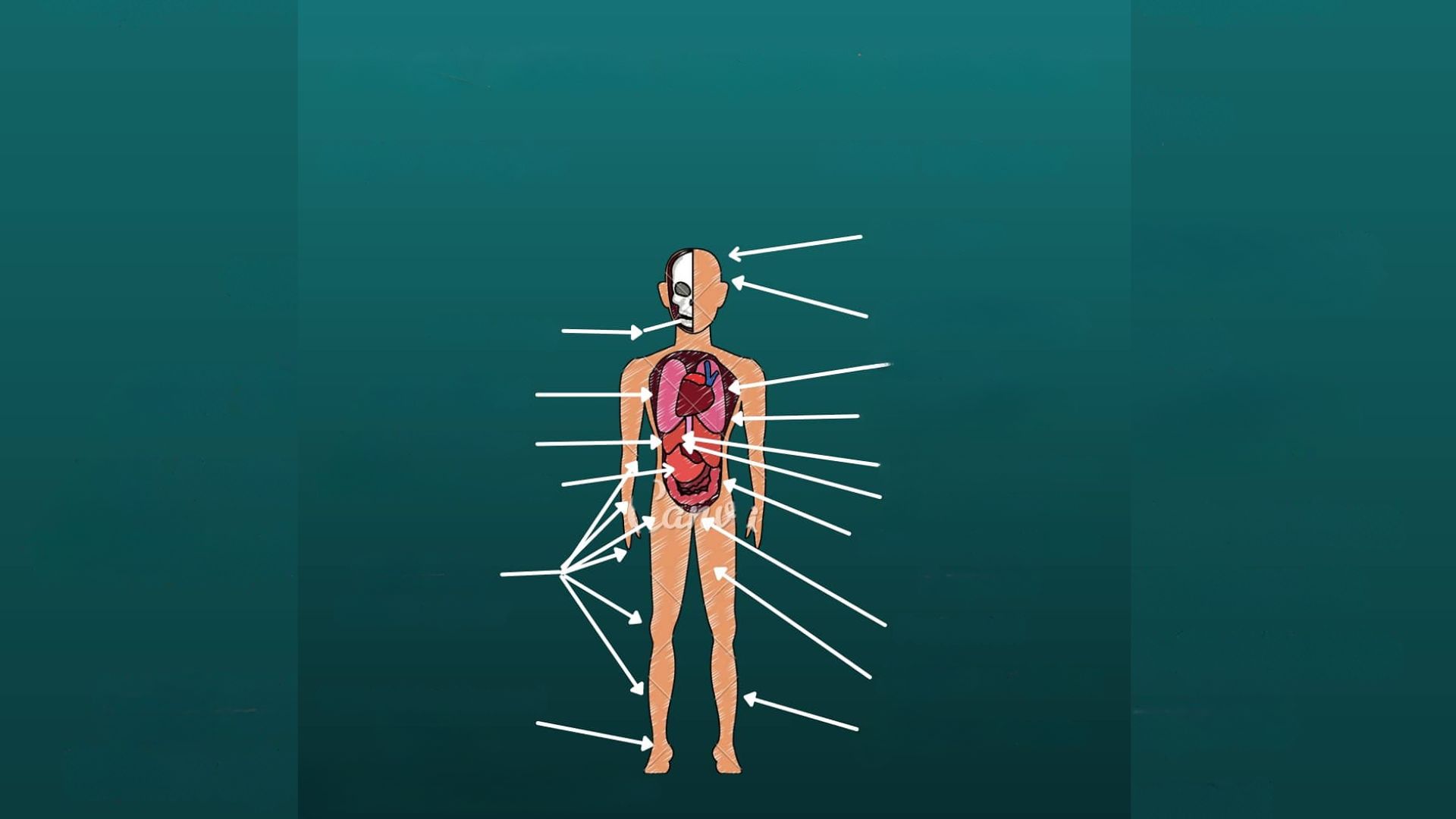
FMF is characterized by recurrent fevers and painful inflammation in the lining of the abdomen, lungs, and joints. It’s important to distinguish this from autoimmune diseases. To understand the difference, let’s briefly touch on the adaptive immune system, which is the part of our body’s defense that creates specialized, long-term responses to external pathogens. In autoimmune diseases, the adaptive immune system malfunctions and attacks healthy tissue, whereas in autoinflammatory diseases like FMF, it is the innate immune system that goes haywire. Some patients may also experience skin rashes on their legs, and in rarer cases, inflammation of the lining of the heart or brain. (Familial mediterranean fever – symptoms, causes, treatment, NORD, 2024)

Although FMF is classified as a rare autosomal recessive disease globally, it is notably common among Sephardic Jews, Armenians, Arabs, and Turks, as well as other Mediterranean populations. The culprit is the MEFV gene, located on the short arm of chromosome 16. The protein encoded by this gene was originally named “Marenostrin.” However, it was later renamed “Pyrin,” derived from the Greek word for “fire.”
While the exact function of the pyrin protein is still being studied, scientists believe it helps regulate inflammation by keeping the immune system’s inflammatory response in check. Of the more than 30 known mutations in the MEFV gene, four are found more frequently in individuals of Middle Eastern descent. (About familial Mediterranean fever, NHGRI)
What Are the Symptoms of FMF?
The primary symptoms associated with FMF include:
- Recurrent fever episodes
- Abdominal pain
- Chest pain
- Joint pain and swelling
- Skin rashes
These attacks usually last between 12 and 72 hours and resolve on their own. They often occur about once a month, with women sometimes noticing an increase during their menstrual cycles. However, the interval between attacks can vary wildly—from a few days to several years. During these symptom-free periods, patients may feel perfectly fine, and the frequency of episodes differs significantly from person to person. (Familial mediterranean fever: Medlineplus Genetics, Medlineplus)
Diagnosing FMF
FMF is typically diagnosed in childhood. While there is no definitive cure, consistent treatment plans can significantly reduce the frequency and intensity of attacks. If left untreated, the disease can lead to the buildup of a protein called amyloid in organs—particularly the kidneys—which may result in serious complications like kidney failure. Many patients endure a long diagnostic odyssey before genetic testing confirms they are carriers; however, even that isn’t the final word, as not every genetic mutation results in FMF, and a negative test doesn’t rule it out entirely. This is why clinical evaluation is paramount; a diagnosis can be confirmed if there are elevated inflammation markers in blood samples taken during an attack. Following this, the treatment process—which we’ll cover shortly—begins, and the patient’s response to medication often serves as the final confirmation. This journey can be emotionally exhausting, as patients deal with debilitating pain that often doesn’t respond to standard painkillers, all without knowing the cause or the solution for a long time. (Familial mediterranean fever, Mayo Clinic.)
FMF is also frequently confused with acute appendicitis, which is common and usually straightforward to diagnose in children. According to a study by Per Wekell and Tomas Wester published in the National Library of Medicine, FMF should be on the radar when children of Eastern Mediterranean descent present with acute abdominal pain. While imaging like ultrasounds or CT scans might not reveal FMF, they are vital for ruling out appendicitis. This research aims to increase awareness of FMF among pediatric surgeons. (Wekell et al., 2022)

Treatment: Colchicine and Lifestyle Changes
The gold standard for treating FMF is a medication called colchicine. It’s highly effective in reducing the frequency and severity of attacks. When starting colchicine, patients should see a noticeable improvement; if they don’t, doctors may switch to a different formulation. However, the medication must be taken religiously, or symptoms will return quickly. While this discipline is essential, it’s not the whole picture. Because there is no “cure,” managing the disease requires a holistic approach. Adopting a healthy lifestyle is a powerful ally. Regular exercise, stress management, and a balanced diet—specifically focusing on anti-inflammatory foods—are vital components of long-term management. According to research in the National Library of Medicine, certain foods (like fatty or salty items, cow’s milk, or wheat) may trigger attacks in some people. While there is no “FMF diet,” finding what works for your body can significantly improve your quality of life. (Mansueto et al., Familial mediterranean fever and Diet: A narrative review of the scientific literature, 2022)
Raising Awareness and Practical Tips
As mentioned, the lack of public awareness around genetic diseases like FMF can delay diagnosis and lead to unnecessary social friction. Raising awareness is vital for earlier detection and effective treatment. By sharing our own experiences, we can inspire others and foster a more informed community. We can also reach out to local groups to build support networks.
For those living with FMF, listening to your body and identifying your triggers is key. For instance, high-stress periods and lack of sleep are notorious for sparking attacks. Identifying and minimizing specific dietary triggers can also be a game-changer. Staying on top of doctor visits and strictly adhering to your medication regimen are the bedrock of keeping the disease under control. Finally, remember that FMF is as much an emotional burden as it is a physical one, so don’t hesitate to seek emotional support if you need it.

Learning to Live with FMF
In short, while FMF is a chronic condition, it is manageable with the right treatment and lifestyle tweaks. It’s up to us to raise awareness and educate those around us. Every individual’s journey is unique, and sharing these experiences helps us build a deeper, more collective understanding of the disease. Some patients may have very mild symptoms, while others struggle with severe, life-altering attacks. These differences highlight the importance of personalized care and empathy. Ultimately, FMF teaches us that just because a disease is “rare,” the pain it causes is anything but.
References and Further Reading
National Human Genome Research Institute. (n.d.). About familial Mediterranean fever. Retrieved from https://www.genome.gov/Genetic-Disorders/Familial-Mediterranean-Fever
National Organization for Rare Disorders. (2024). Familial mediterranean fever – symptoms, causes, treatment. Retrieved from https://rarediseases.org/rare-diseases/familial-mediterranean-fever/
Mansueto, P., Seidita, A., Chiavetta, M., Genovese, D., Giuliano, A., Priano, W., Carroccio, A., Casuccio, A., & Amodio, E. (2022). Familial mediterranean fever and Diet: A narrative review of the scientific literature. Nutrients, 14(15), 3216. https://doi.org/10.3390/nu14153216
Mayo Clinic. (n.d.). Familial mediterranean fever. Retrieved from https://www.mayoclinic.org/diseases-conditions/familial-mediterranean-fever/symptoms-causes/syc-20372470
U.S. National Library of Medicine. (n.d.). Familial mediterranean fever: Medlineplus Genetics. Retrieved from https://medlineplus.gov/genetics/condition/familial-mediterranean-fever/
Wekell, P., & Wester, T. (2022). Familial Mediterranean fever may mimic acute appendicitis in children. Pediatric Surgery International, 38(8), 1099–1104. https://doi.org/10.1007/s00383-022-05153-8
Originally published in Turkish at Doğa Filozofu.