
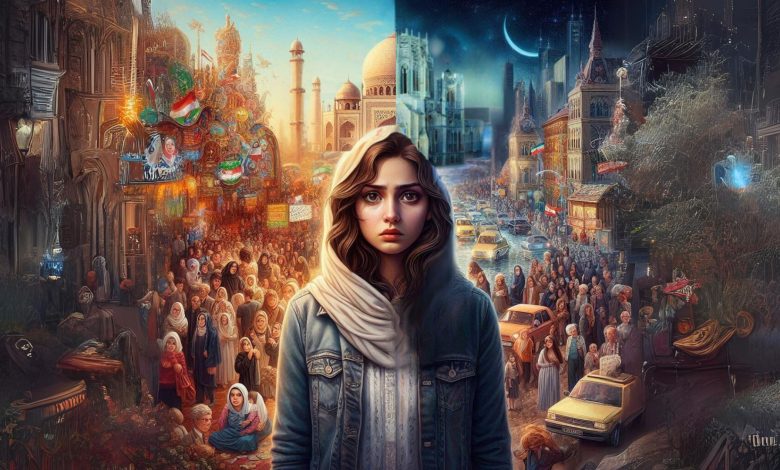
*Persepolis*, both the graphic novel illustrated by Marjane Satrapi and its subsequent film adaptation, sits at the intersection of many different narratives. It is simultaneously an autobiographical account, a war story, and—at its heart—the story of a child trying to grow up amidst the Islamic Revolution in Iran and the grueling Iran-Iraq War that followed between 1980 and 1988.
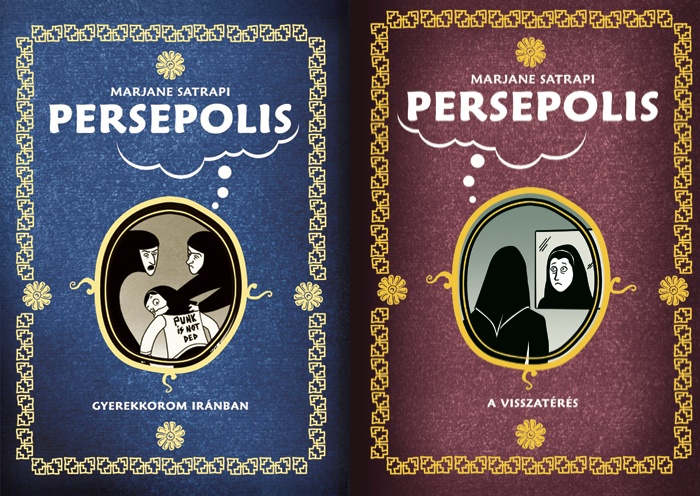
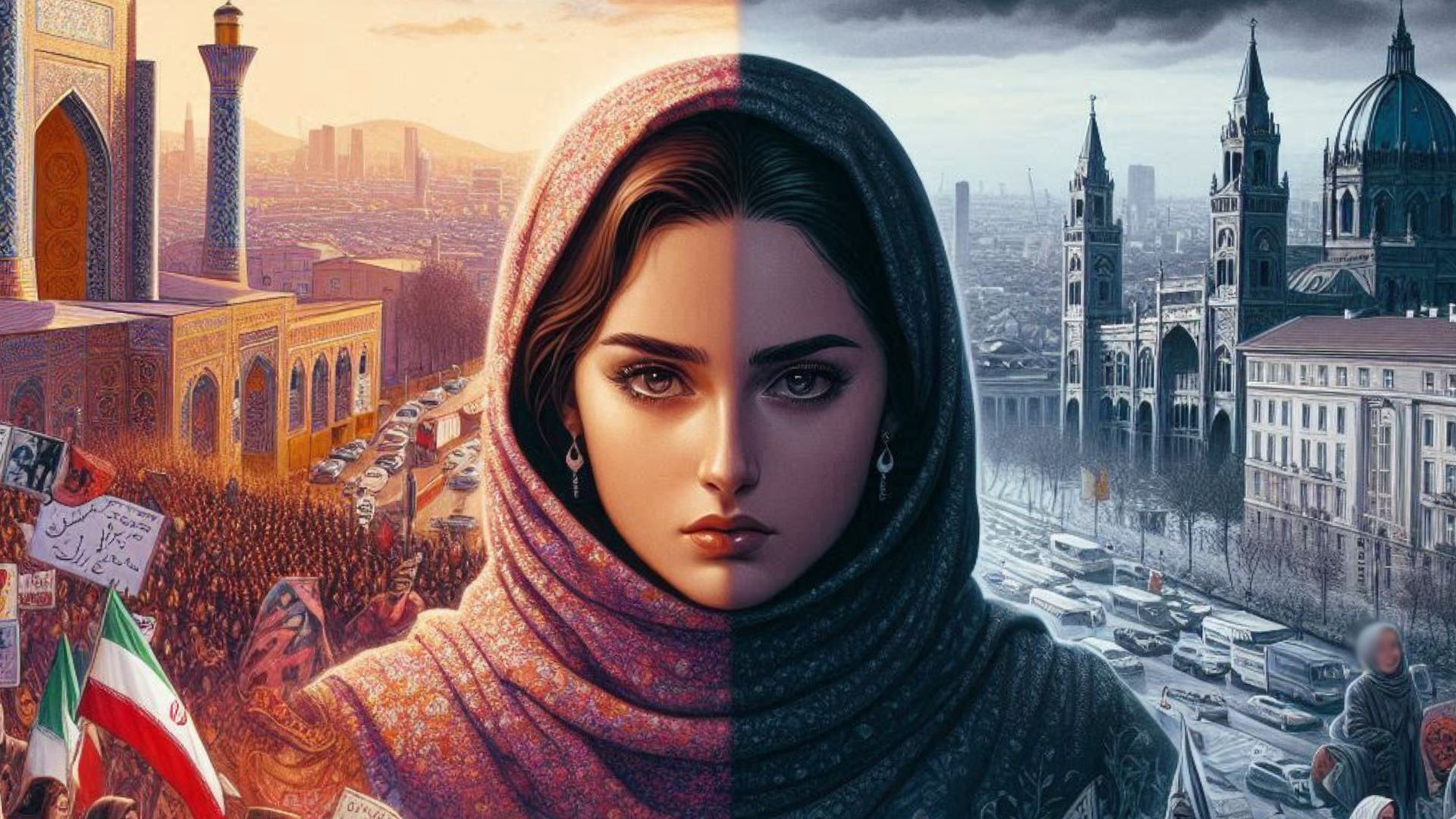
During the Islamic Revolution, Tehran underwent a seismic shift; the society was forced to leave behind the freedoms it had long taken for granted. Everything from dress codes to the education system was overhauled under the new regime, and those who dared to resist were often punished in full public view. Among these changes, what impacted Marjane Satrapi most profoundly was the radical transformation of the role of women in society.
The graphic novel is structured in short, episodic chapters, each drawn from Marjane’s (Marji) memories. The first volume covers Satrapi’s childhood, while the second spans her journey from adolescence into adulthood. Born into an educated and open-minded family, Marji grows up immersed in literature and politics. The books she reads as a child and the stories she overhears from her parents’ friends help her cultivate a strong ideological foundation. Perhaps this is why Marjane Satrapi is never a passive narrator; she has plenty to say. From staging her own private protests at home to putting her burgeoning convictions into practice, most of the actions she takes as a child serve as a window into her formidable personality.
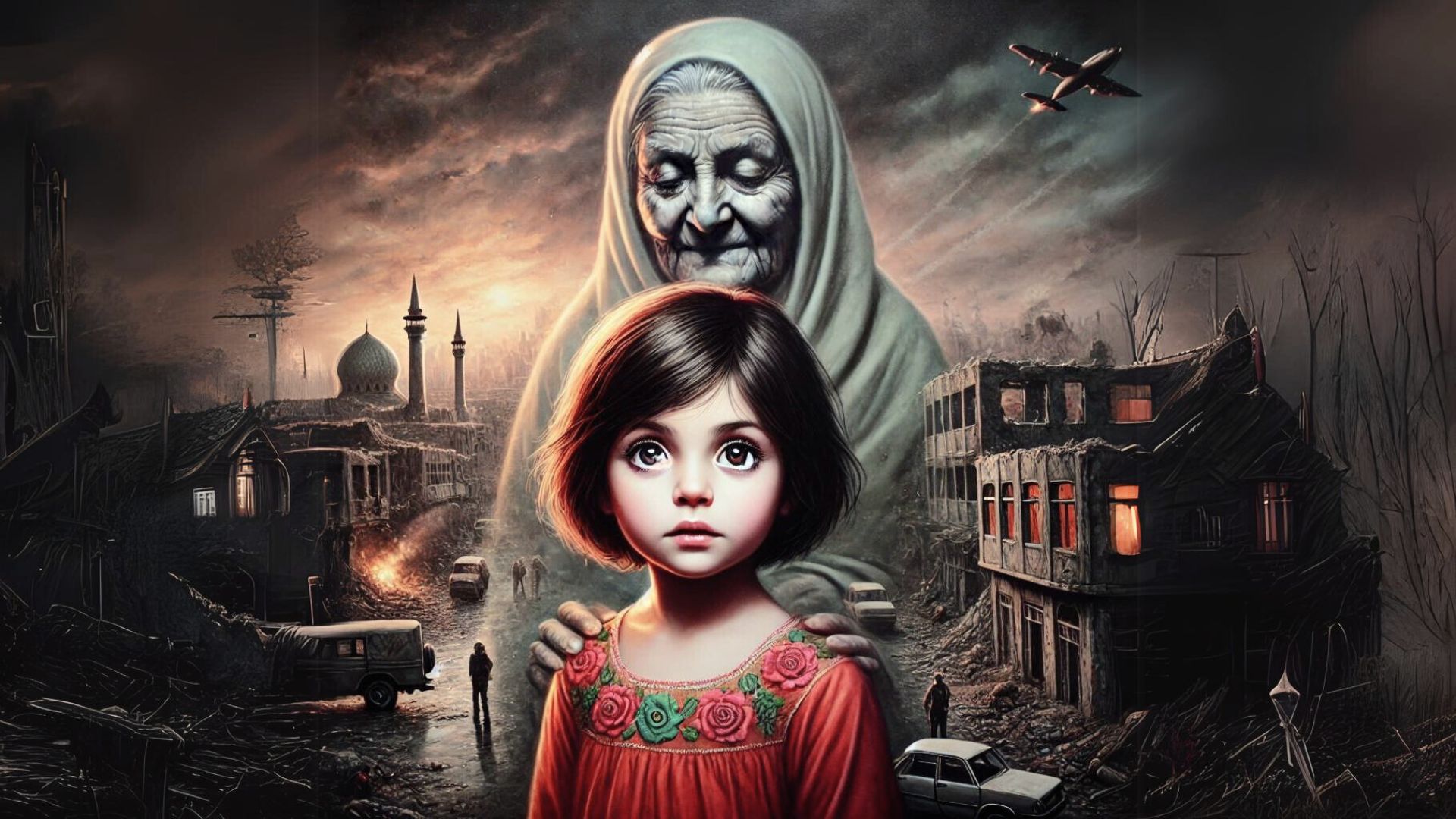
We see this spirited character shine through in the chapters detailing her childhood. As we read through the first part of the graphic novel, we gain invaluable insights into how a child perceives the world. Toward the end of the first volume, concerned for her future amidst the ongoing war, her parents send her to Vienna to study. Before she leaves Iran, her grandmother gives her one crucial piece of advice: “Never forget who you are and where you come from.” This directive carries immense weight for the themes explored in the second half of the book—and arguably, it’s the anchor for Satrapi’s own identity and the reason she sat down to write and illustrate this story in the first place.
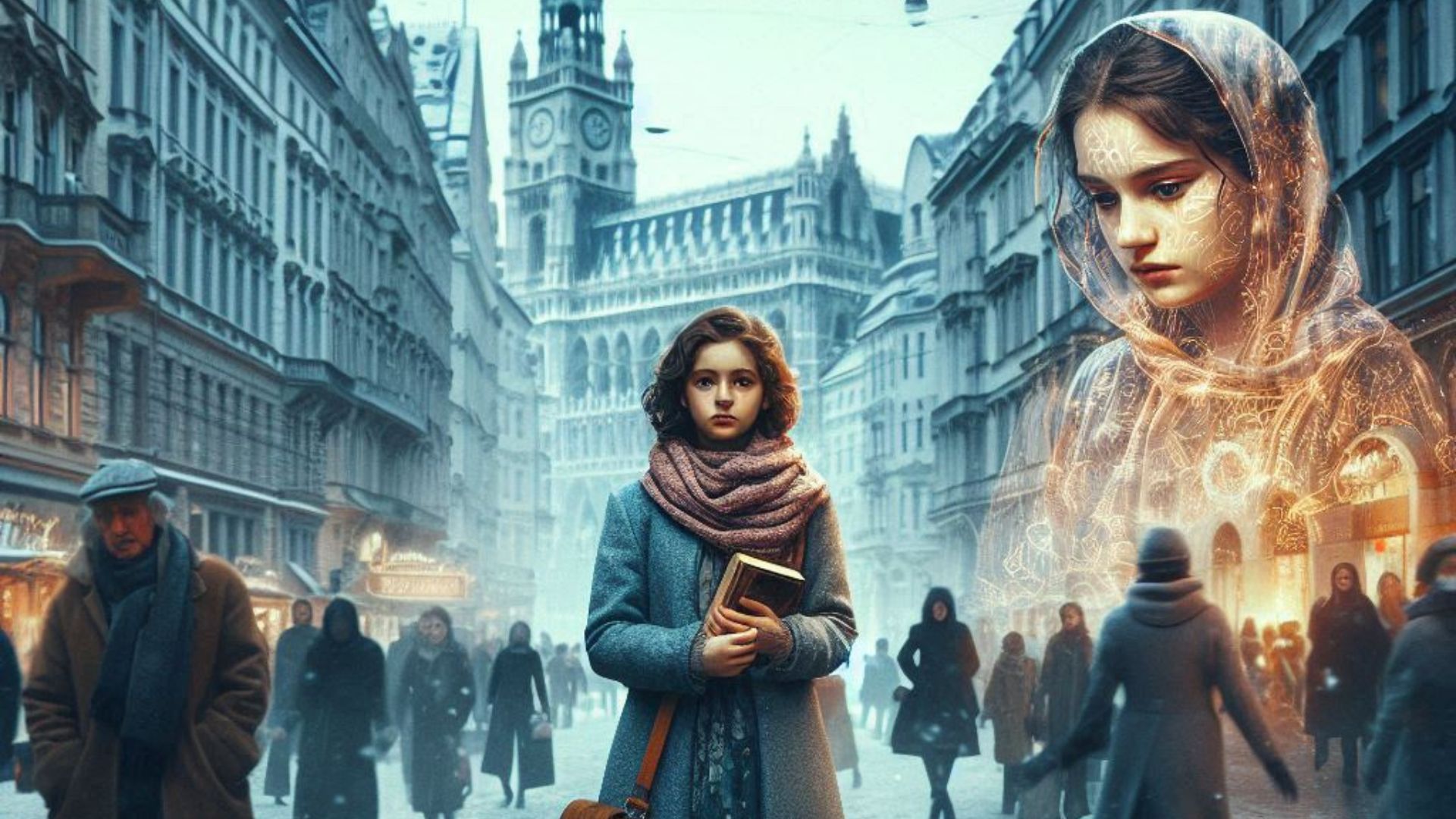
The second volume is far more focused on internal conflict. Living in a country free from war, we see Marjane struggle to adapt from the very first chapters of this part. While she enjoys the freedom she once dreamed of, she is simultaneously haunted by the guilt of having left her family behind. The impossibility of truly escaping the war is clear here. This section is thick with the friction of individual identity, shaped by the tension between her homeland and her life as an exile. As her grandmother advised, she tries to build a new life while clinging to her roots—even though she has been sent away to a place where she is expected to forget and move on. We see chapters where she hides her identity, and even moments where she loses it entirely. In some panels, she wears her heritage with pride; in others, she tries to bury where she came from.
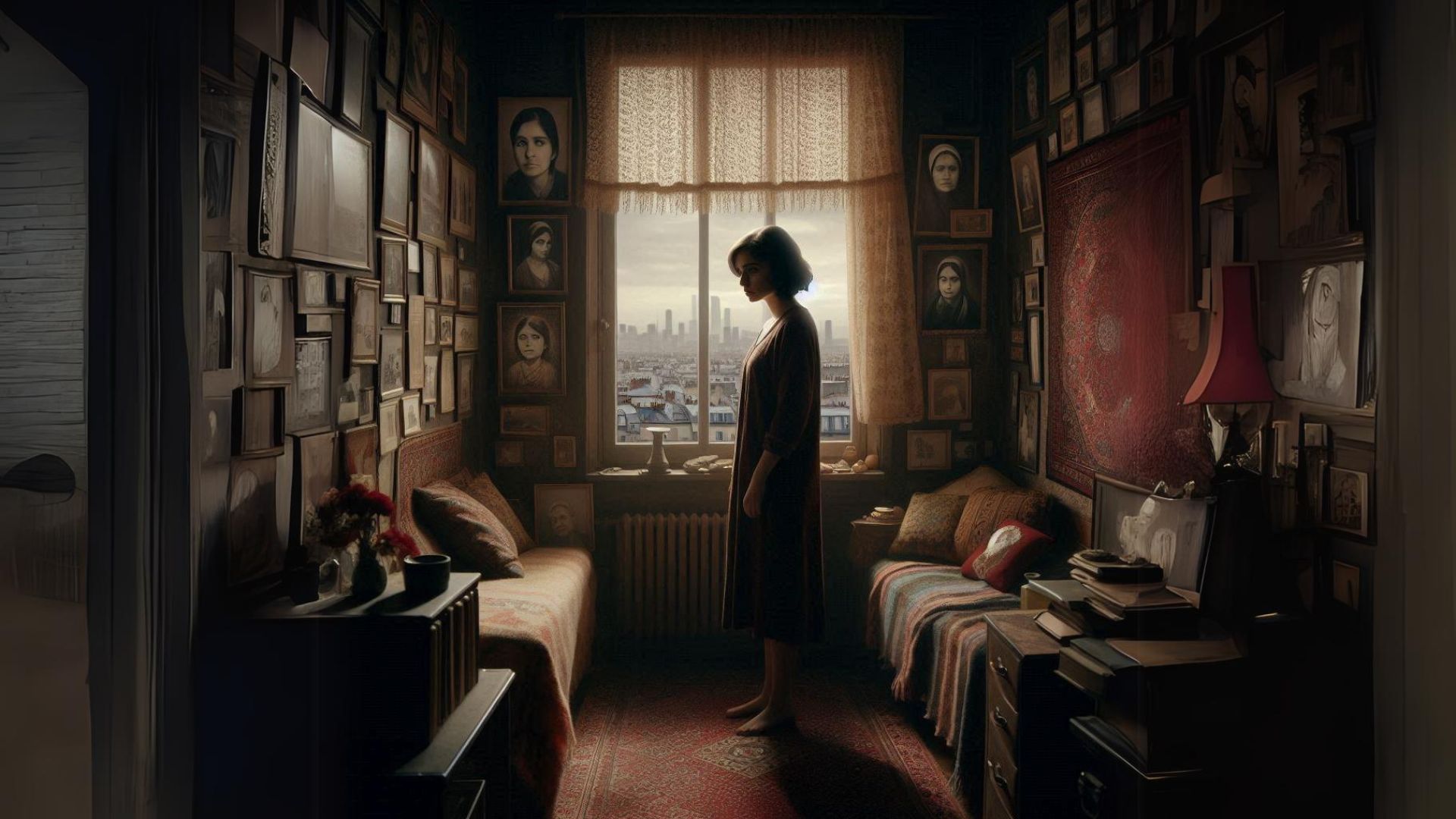
Satrapi’s narrative also highlights the East-West dichotomy. This tension becomes even more pronounced during her years in Vienna, and beyond being a real-world geopolitical fact, it fuels the personal conflicts within *Persepolis*. Marji cannot make her voice heard in Iran because the repressive regime is diametrically opposed to the values she holds dear; she cannot make it heard in Vienna either, because those who haven’t faced the reality of war simply cannot understand it. Even her “open-minded” friends approach Marji and the reality she left behind with a layer of prejudice. When these feelings of displacement are compounded by a tragic romance, it becomes a breaking point for Marjane. She returns to Iran, only to find that home is no longer what it used to be. Faced with the occupation of her own domestic sphere, she eventually leaves Iran for good, settling in France, where she writes *Persepolis* to finally tell her story.
The 2007 film adaptation, while remarkably faithful to the original, adopts a noticeably different tone. The Marjane of the graphic novel is more rebellious and fiery, whereas the Marjane who narrates the film feels more emotional and subdued. The graphic novel strikes a perfect balance between the themes of war and growing up; it’s impossible to read it without seeing how the two are inextricably linked. The film, however, shifts the focus from Marjane to the war itself. Critics and film buffs alike agree that this was a deliberate choice; the film offers a second, more detached perspective on the events. It feels like an observer looking in from the outside—the narrator’s voice is more distant, while the sound of the bombs feels much closer.
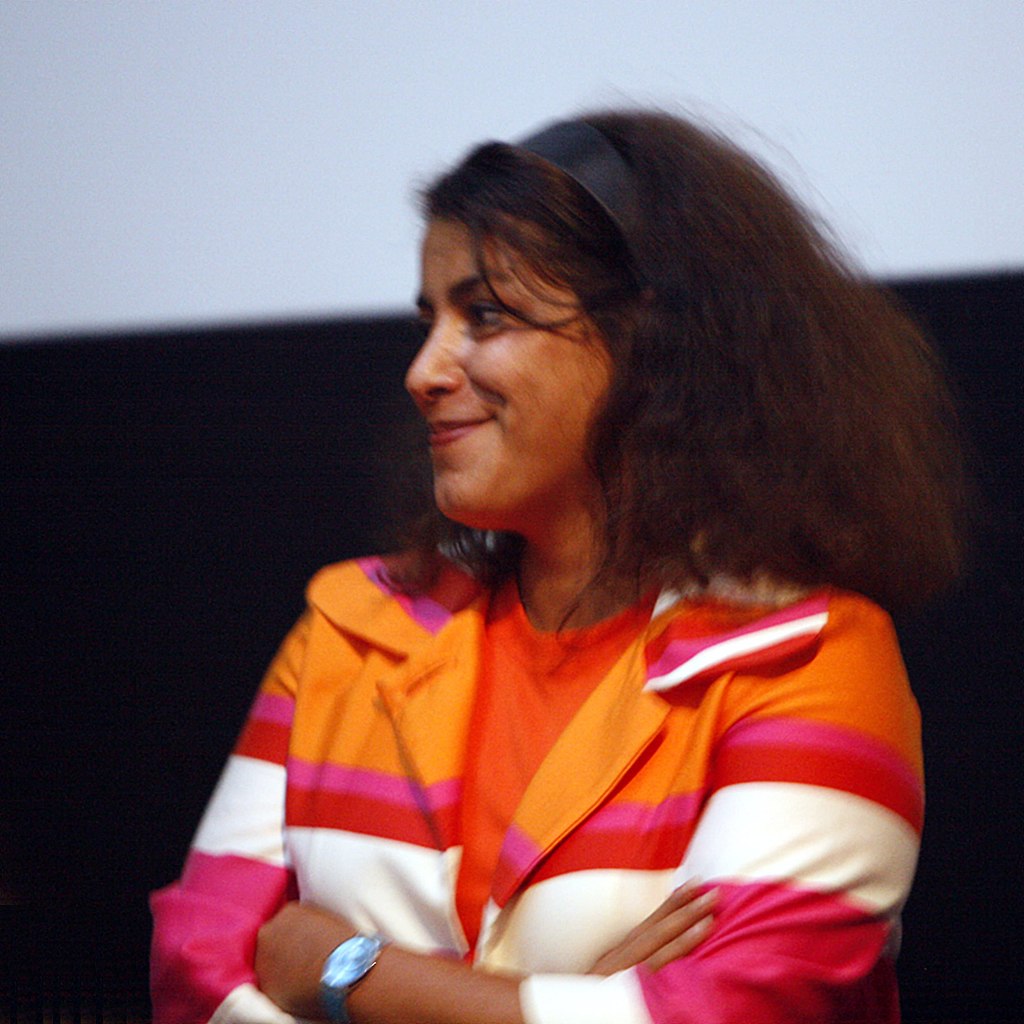
From the very first chapter, Marji proves to be a witty and engaging narrator. Her bold, bright personality infuses the story with a sharp sense of humor. When you combine her identity crisis and the growing pains of youth with this humorous voice—and set it against such a heavy historical backdrop—the duality of Marjane Satrapi’s experience becomes all the more striking. It is one of the key elements that gives the graphic novel its power. While the political events depicted in *Persepolis* have earned the book its well-deserved fame, for many of us, what makes it truly invaluable is its deeply human core.
References and Further Reading
Chute, H. (2008). The Texture of Retracing in Marjane Satrapi’s “Persepolis.” Women’s Studies Quarterly, 36(1/2), 92–110. http://www.jstor.org/stable/27649737
Originally published in Turkish at Doğa Filozofu.