

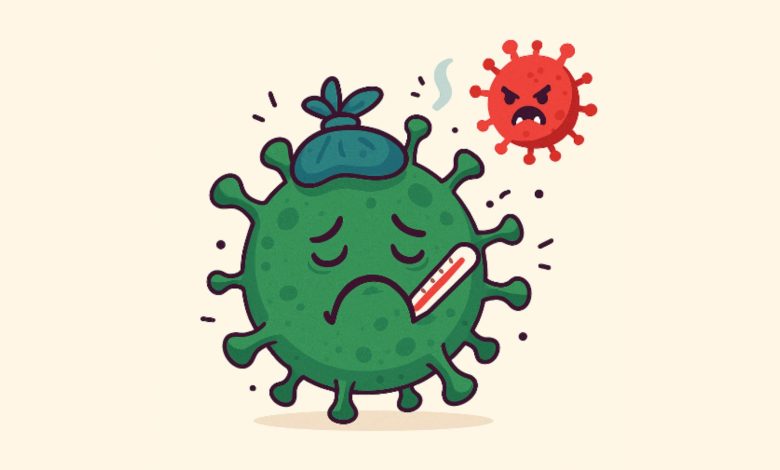
The word “germ” usually sets off alarm bells in our minds. It typically conjures up images of harmful bacteria or viruses, which we immediately associate with illness, infection, and threats—like invisible enemies. However, from a scientific perspective, “germ” represents a much broader and more complex world. This microscopic universe isn’t just made up of bacteria and viruses; fungi, protozoa, and archaea are also members of this unseen community. Each one is a living entity that, while invisible to the naked eye, serves as a fundamental building block of life. For instance, the human microbiome is composed of tiny communities of microorganisms living inside us. This community brings bacteria and viruses together—and these entities don’t just coexist; they are in a state of constant interaction. They communicate with each other, maintain balance, and at times, they cooperate or compete. These interactions occurring within our bodies at a microscopic level directly influence our health (Ma et al., 2024).
So, let’s flip the question: Can germs themselves get “infected” by other germs? At first glance, it might sound strange. But scientific reality shows that this question has a much more interesting answer than we might expect. In this piece, we’re going to push the boundaries of what we mean by “infection” in the microscopic world. We’ll explore the complex web of relationships that stretches from viruses that infect bacteria to even smaller viruses that target other viruses. This chain of infection among invisible beings is one of the most surprising dimensions of microbiology. If you’re ready, let’s take a closer look at the microscopic wars of the microscopic world.
What Does Infection Actually Mean?
When it comes to humans, “catching a germ” means a microorganism—like a bacterium or a virus—has entered the body, multiplied, or caused harm. But is such an infection possible among microscopic life forms? Actually, yes. A similar relationship can exist between microorganisms. A bacterium can serve as a “host” for a virus, and a virus can use another bacterium as a “home.” In other words, the chain of infection continues at the microscopic level. The clearest example of this is bacteriophages, which are viruses specific to bacteria. Bacteriophages infect bacteria just as a virus would attack a human cell. In this case, the infected bacterium has technically “caught a germ.” However, there’s an important distinction: The mechanisms of infection between microbes differ from our human definition of the term. Processes like the hijacking of genetic material, intracellular replication, and seizing control of the host cell come into play. These microscopic infections play a critical role in the dynamics of microbial ecosystems. Which microorganism will dominate, which will perish, or which will undergo genetic change—many of these processes are shaped by these invisible wars (Flores et al., 2013). Between bacteria and viruses, there exist complex relationships that might seem independent at first glance but are deeply intertwined. These two residents of the microscopic world sometimes make direct contact, and other times they are influenced by each other’s presence in indirect ways. For example, a virus can enter a cell by using specific molecules on the surface of the bacterium like a key. This is a kind of “door-opening” process that happens at the microscopic level. The virus uses the bacterium’s outer structure to its own advantage and initiates the infection process.
Furthermore, a viral infection can create an environment where bacteria can settle and multiply more easily. In a sense, the virus indirectly “makes room” for bacteria. Such interactions shape the dynamics of the microbial ecosystem; sometimes it’s cooperation, other times it’s competition (Almand et al., 2017).
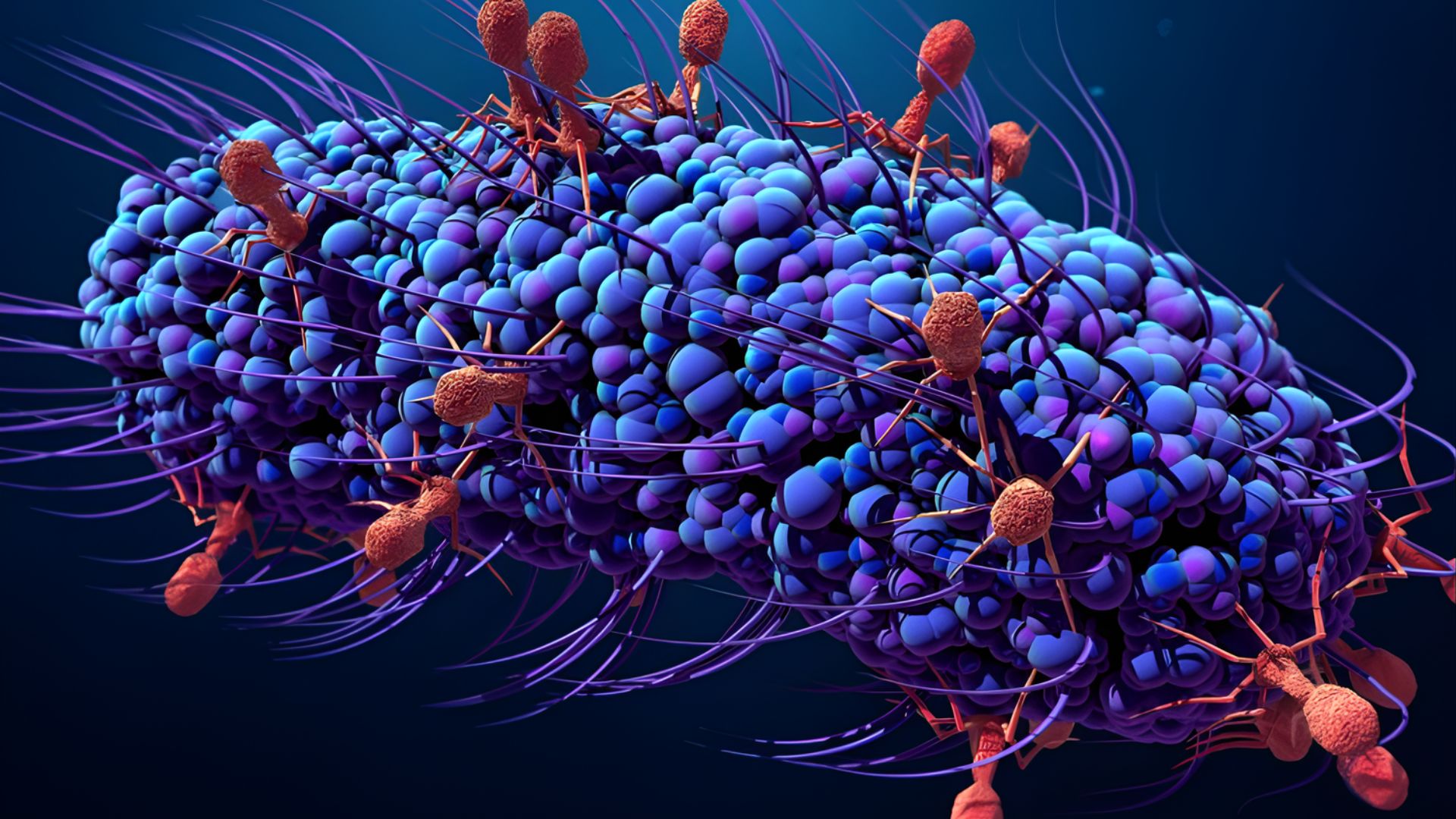
This unseen network of relationships shows us once again how vibrant, complex, and interconnected the microscopic world truly is. Therefore, these kinds of “inter-microbial infections” exist not just for humans, but for the microbial world itself—a field that is incredibly exciting for both biologists and microbiologists. Do these tiny creatures have other interesting traits? Let’s dive in and examine them.
Bacteria, Viruses, and Their Fascinating Features
Viruses are often thought of solely as agents that infect humans or animals. Yet, in the microbial world, infection occurs within a much more complex network of interactions. One of the vital parts of this network is bacteria. Bacteria are single-celled microorganisms that can exist in nature, in the human body, and even in the most extreme conditions. A review article expresses this extraordinary prevalence as follows: “Bacteria are found in every corner of matter. In the soil, deep underground, in acidic hot springs, and even in areas contaminated with radioactive waste” (Soni et al., 2024). This creates a vast microbial landscape where viruses and other microorganisms can interact.
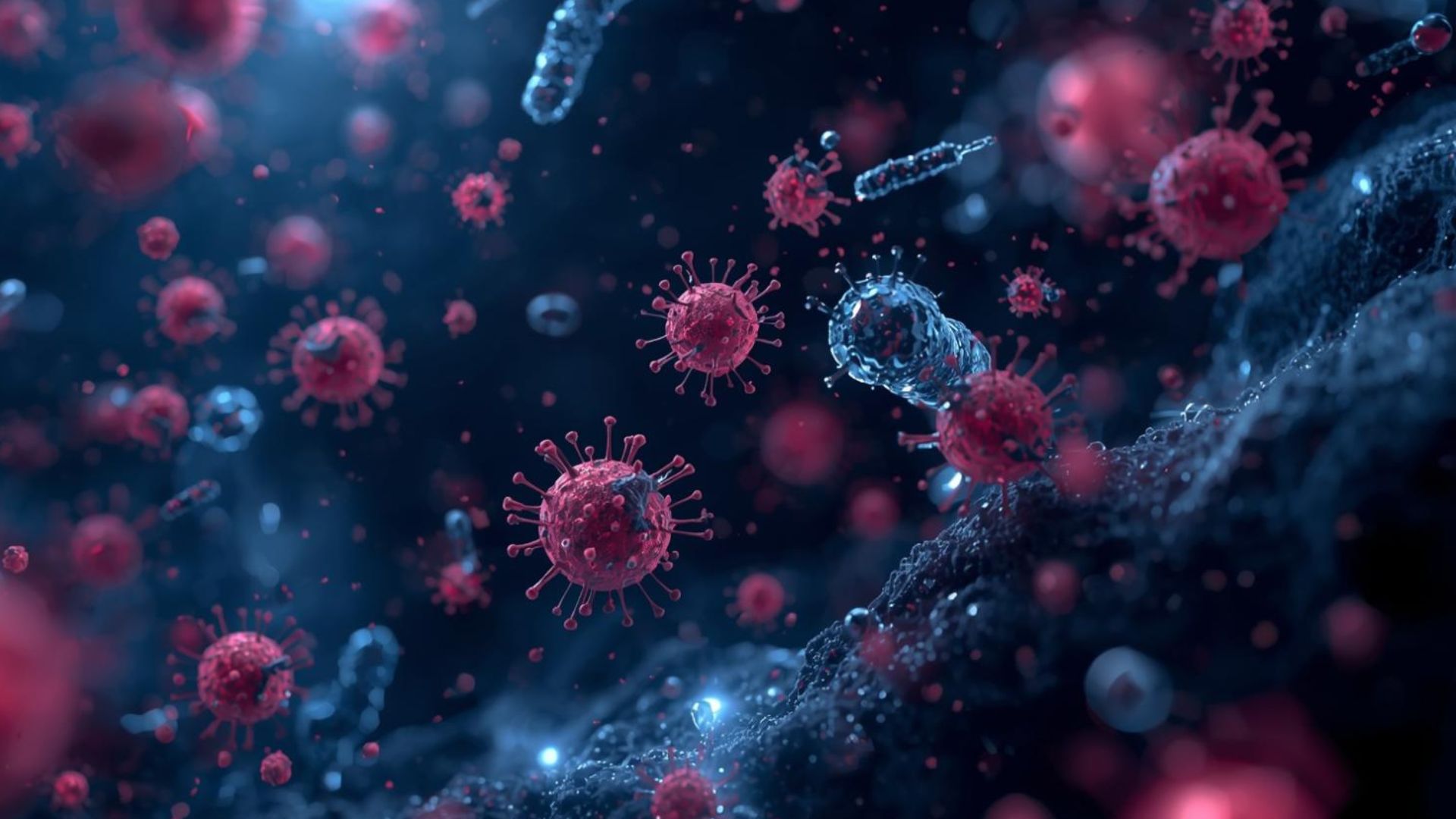
In the microbial ecosystem, bacteria aren’t just passive life forms; they can also act as hosts for other microorganisms. While some derive energy from inorganic matter, others feed on organic compounds. Some bacteria develop defensive structures like capsules to evade the immune system or gain resistance to antibiotics. Furthermore, when they aggregate to form biofilms within microorganism communities, they become more protected against environmental influences. However, despite all these defense mechanisms, bacteria can still be targets for other microorganisms. In particular, bacteriophages, the viruses that infect bacteria, clearly show that infection in the microbial world is not unique to humans. Thus, infection in the microbial ecosystem is a continuous process of interaction and transformation where microorganisms influence one another.
The Microbiome and Cross-Interactions
Modern research reveals that the microbiome—for example, the human gut microbiota—is not just a passive living space, but rather a host to a dense network of communication and interaction among microorganisms. This invisible ecosystem functions much like a microscopic society with its own rules and relationships. Indeed, one review treats the concept of the “microbiome” not just as the sum of microscopic life, but as a system directly linked to human health and disease. This perspective defines the microbiome as a complex partnership established between the “main host” and its “compatible microbes” (La Scola et al., 2008).
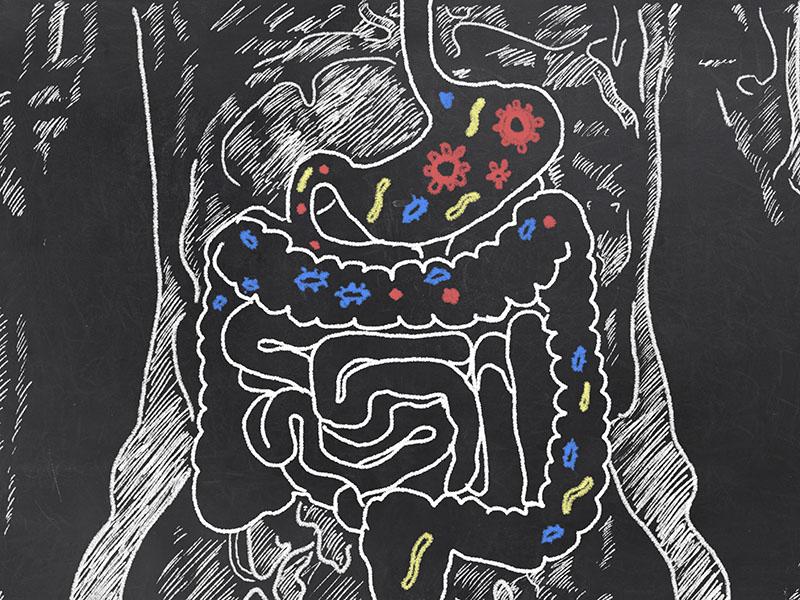
Within this framework, microbes don’t just live together; they also influence each other and compete for resources. For instance, a bacterium can be infected by a virus called a bacteriophage. At the same time, some microbes can be indirectly affected by viruses, causing them to change their behavior or the way they interact with their environment (Ma et al., 2024). This dynamic structure of the microbiome reveals just how complex and interactive microscopic life is. This invisible world is much more vibrant and strategic than we ever imagined.
Why Does This Matter?
Understanding microbial interactions is of vital importance, especially for solving infection issues encountered in hospital settings. Because in these environments, microorganisms exist not just as individuals, but in constant interaction with each other. For example, the contamination of surfaces in a patient’s room with bacteria or viruses can prepare the ground for the growth of another microbe. The situation is even more striking in the context of bacteria-virus interactions. Following a viral infection, the risk of bacterial infection can increase as the body’s defense system weakens. This process can accelerate the spread of antibiotic-resistant bacteria and complicate the treatment process.
Many practices, from hospital cleaning protocols to surface disinfection, must account for these invisible interactions. These relationships at the microscopic level can lead to macroscopic outcomes, which can be critical for patient safety and public health (Güdücoğlu, 2015).
The “catching of germs” that occurs between microbes doesn’t just remain at the level of infection; it also has impressive evolutionary consequences. These interactions trigger a sort of “arms race.” While bacteria develop defense systems like CRISPR to protect themselves against viral attacks, viruses find new ways to bypass these systems. These mutual interactions between microbes play a critical role in the functioning of ecological systems. In this way, population dynamics are shaped and genetic diversity is guided. Processes like gene flow and horizontal gene transfer are also directly linked to this network of microbial relationships (Wasik et al., 2017).
Interactions between microbes appear in striking examples not only in laboratory settings but also in natural ecosystems. For example, a study conducted in a marine environment examined the interaction network between 215 different bacteriophages and 286 different bacterial species, revealing that this network has a modular structure. In other words, specific phages target specific bacterial groups; this demonstrates that microbial relationships are not random, but selective and structured (Flores et al., 2013).
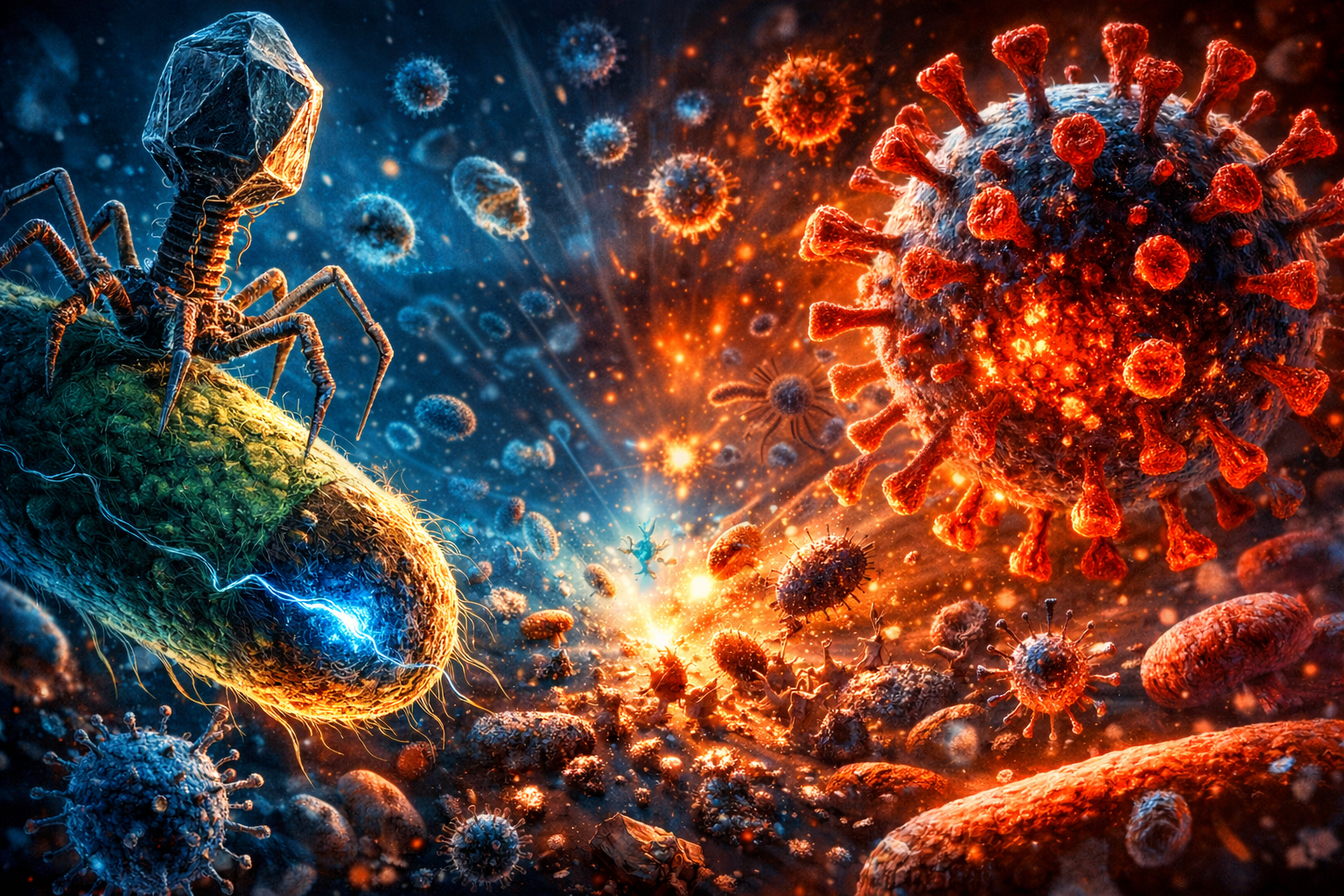
This complex network of the microbial world presents a dynamic that deeply affects both the functioning of ecosystems and human biology. In short, these invisible wars occurring in the microscopic world resonate not just under laboratory microscopes, but in every corner of nature. The microbial universe is a stage that humans cannot see with the naked eye but can feel in every moment of life. There, wars are silent, and alliances are fleeting. A phage that infects a bacterium today might turn into an evolutionary advantage tomorrow. That is why the concept of “catching a germ” is not just a biological phenomenon, but the language of a life-and-death struggle continuing at a microscopic level. However, we must remember: this world is too complex to fit onto the microscope slides in our labs. Inter-microbial relationships weave the invisible webs of nature. Sometimes they lead to disease, sometimes to healing, and sometimes to entirely new forms of life. Perhaps the true magic of the question “do germs catch germs?” lies not in the answer, but in how it forces us to recognize the interdependence that exists even in the smallest units of life. Because even at the microscopic level, no entity is ever truly alone.
References and Further Reading
Almand, E. A., Moore, M. D., & Jaykus, L.-A. (2017). Virus-Bacteria Interactions: An Emerging Topic in Human Infection. Viruses, 9(3), 58. https://doi.org/10.3390/v9030058
Flores, C. O., Valverde, S., & Weitz, J. S. (2013). Multi-scale structure and geographic drivers of cross-infection within marine bacteria and phages. The ISME Journal, 7(3), 520–532. https://doi.org/10.1038/ismej.2012.135
Güdücüoğlu, H. (2015). Hospital infections related with hospital microbial environment. Eastern Journal of Medicine, 20(4), 177-181.
La Scola, B., Desnues, C., Pagnier, I., Robert, C., Barrassi, L., Fournous, G., Merchat, M., Suzan-Monti, M., Forterre, P., Koonin, E., & Raoult, D. (2008). The virophage as a unique parasite of the giant mimivirus. Nature, 455(7209), 100–104. https://doi.org/10.1038/nature07218
Ma, Z., Zuo, T., Frey, N., et al. (2024). A systematic framework for understanding the microbiome in human health and disease: from basic principles to clinical translation. Signal Transduction and Targeted Therapy, 9, 237. https://doi.org/10.1038/s41392-024-01946-6
Soni, J., Sinha, S., & Pandey, R. (2024). Understanding bacterial pathogenicity: a closer look at the journey of harmful microbes. Frontiers in Microbiology, 15, Article 1370818. https://doi.org/10.3389/fmicb.2024.1370818
Wasik, B. R., et al. (2017). Journal of the Royal Society Interface, 14(128), 20160905. https://doi.org/10.1098/rsif.2016.0905
Originally published in Turkish at Doğa Filozofu.