


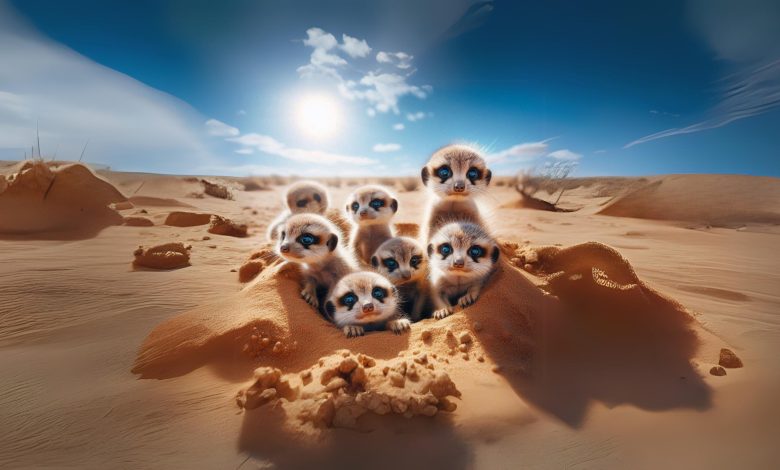
These adorable creatures, known by their scientific name Suricata suricatta—or simply meerkats—are the most loyal and hardworking animals of the desert. Don’t let their petite frames and tiny faces fool you! They will do absolutely anything to protect one another because they have a deep, instinctual devotion to the concept of family and the pack.
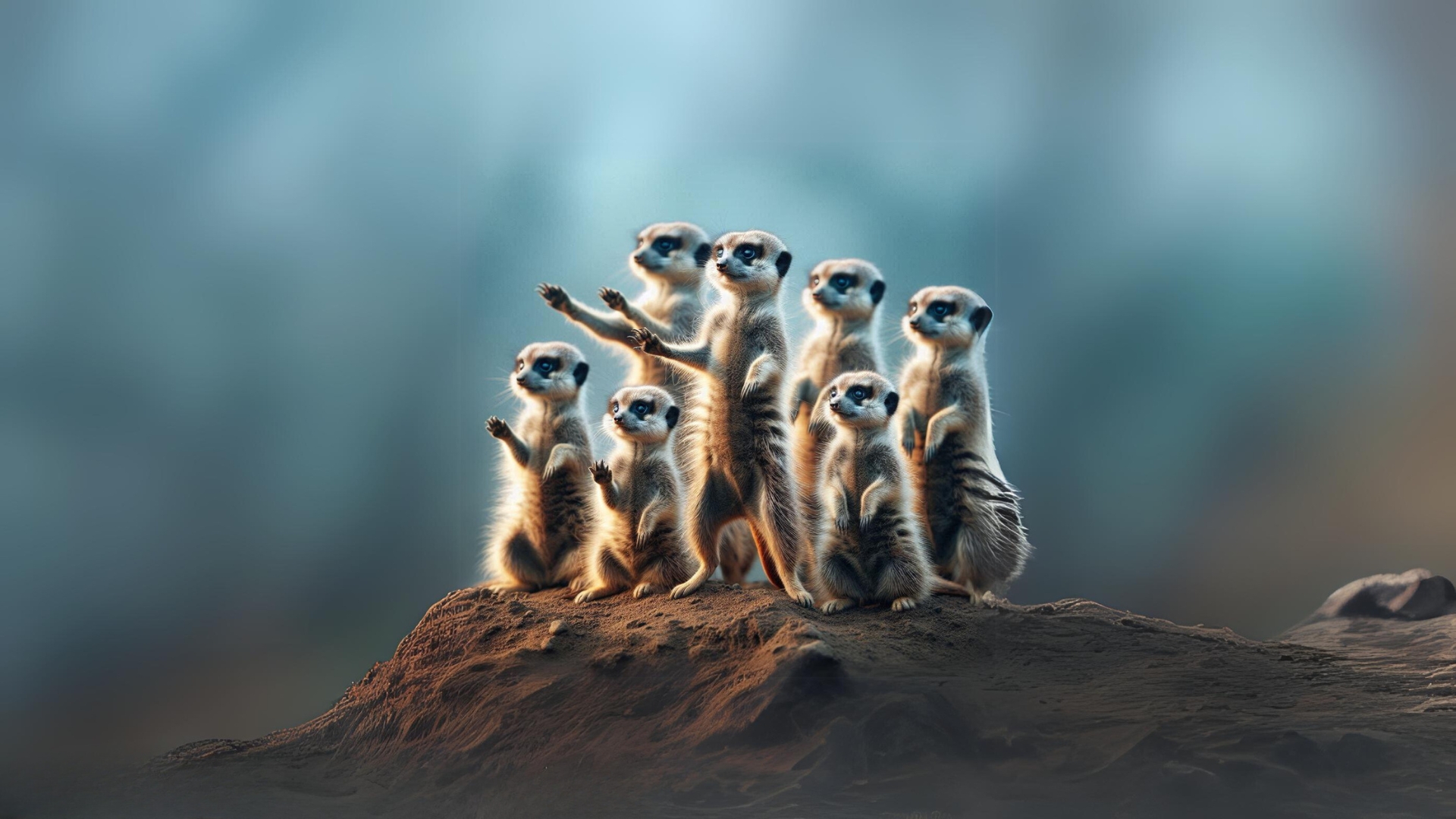
While they might not be the household names of the animal kingdom, they are certainly worth getting to know. Let’s dive in and take a closer look at them.
Physical Characteristics and Habitat
Meerkats are slender, lean-bodied animals. They turn heads with their small, pointed faces, tiny ears, and signature dark eye patches. They generally stand between 25-35 cm tall and weigh less than a kilogram as adults. Their brown fur, marked with black stripes, is perfectly suited for desert life and ends in a sleek, tapered tail.
They primarily inhabit the arid regions of Southern and Western Africa. Spanning five different countries, meerkats thrive in deserts and scrublands, where they make their homes in elaborate underground tunnels. These burrows allow them to stay cool in the scorching heat and provide a safe haven from predators.
Social Behavior and Hunting Techniques
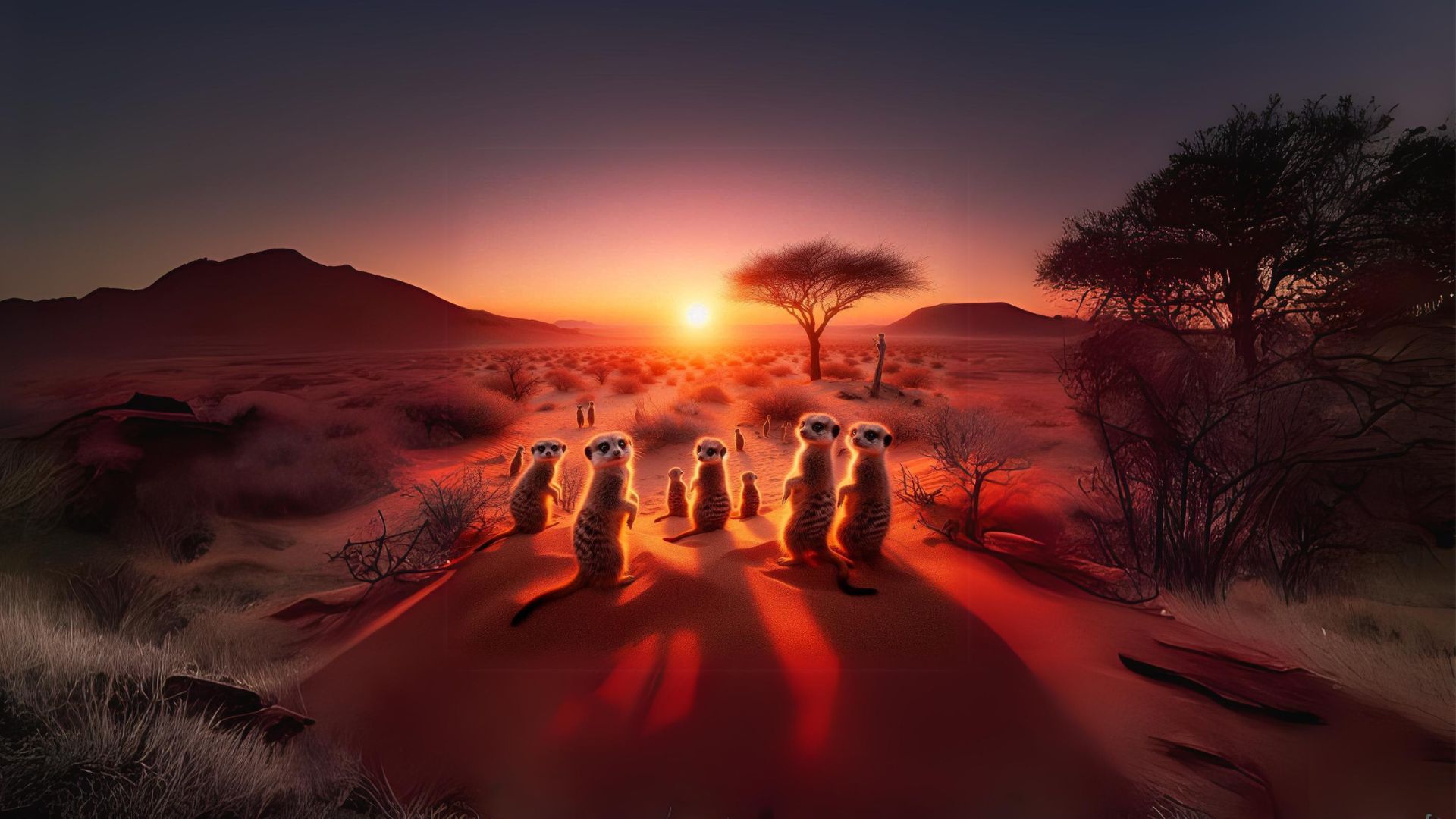
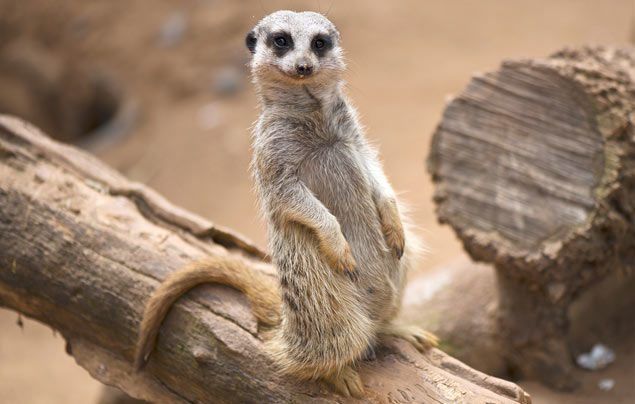
Meerkats are incredibly social creatures, living in packs that can reach up to 50 individuals. Every member of the group has a specific role to play. Their hierarchy and division of labor include jobs like sentry duty, babysitting, and hunting. The “sentry” system is perhaps their most defining trait: while the rest of the pack is foraging or resting, a designated meerkat stands watch, scanning for danger. If a threat appears, they let out a piercing cry to ensure the safety of the group.
As omnivores, meerkats head out to hunt in the early morning, leaving behind the scent-marked territory of their burrow. Their diet includes beetles, caterpillars, termites, spiders, and scorpions, alongside lizards, birds, and rodents. They spend five to eight hours a day foraging, keeping a few meters apart while staying in constant communication. Their keen sense of smell and sharp eyesight give them a serious edge in the hunting game.
Reproduction and Pup Care
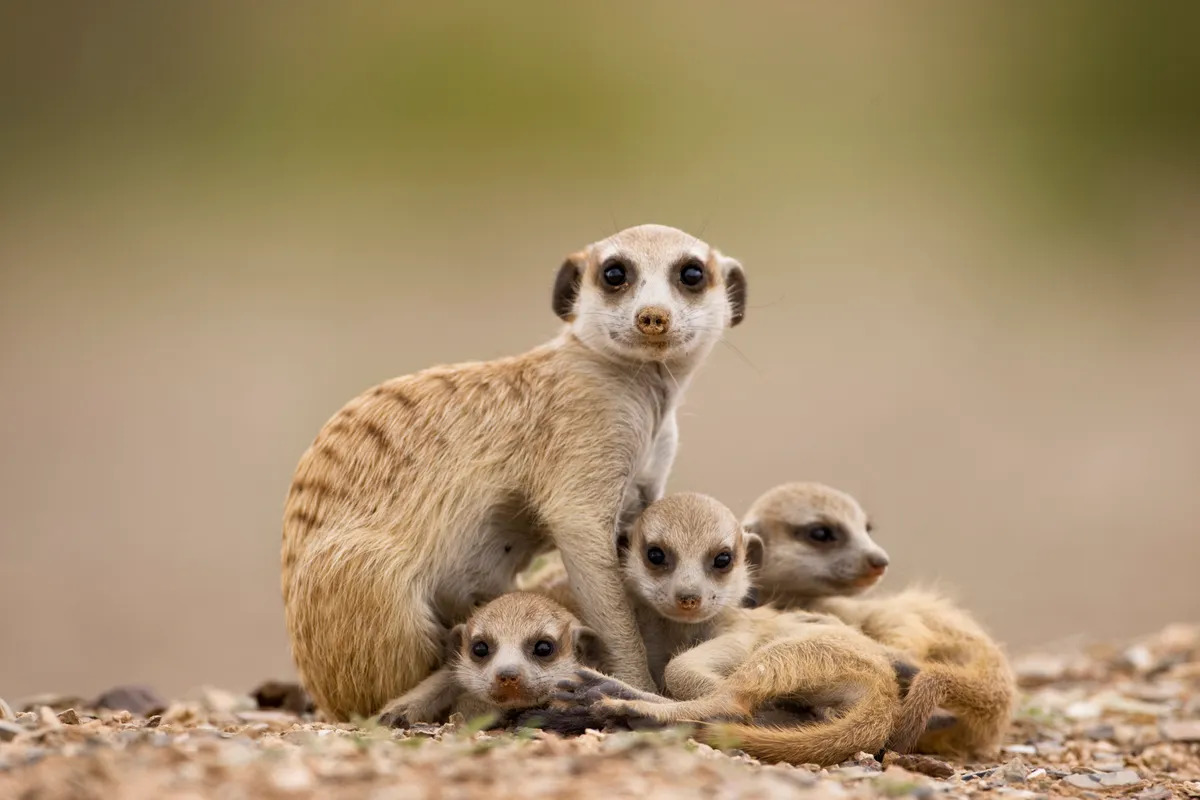
Every pack is led by an alpha pair, and all breeding is strictly controlled by them. The rest of the pack shows total deference to this pair. Meerkats place immense value on the pack and family unit. Unlike many other animals in nature, the pups are raised by the adults of the pack rather than just the parents.
From the moment the mother begins nursing, the newborns are under the watchful eyes of the entire group. Other females in the pack help by nursing the young, while the males focus on protection and defending the group from predators. This collaborative care system plays a vital role in the pups’ development. As they grow, they learn how to navigate their environment, hunt, explore, and avoid danger from the other pack members. Once they are grown, they have the maturity to adapt to their own roles within the pack.
Defense Against Threats
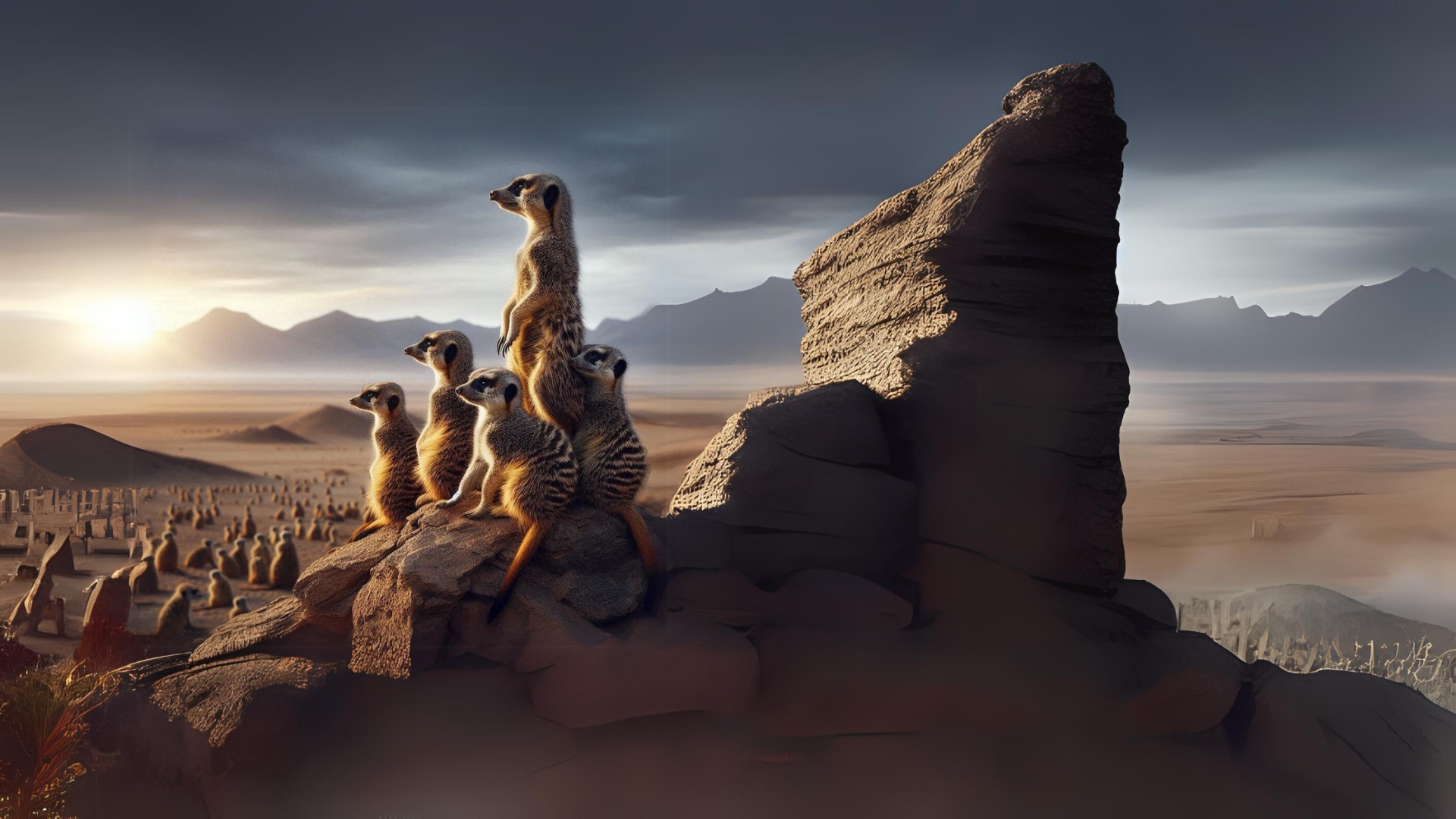
Though their small size might make them look vulnerable, meerkats have highly sophisticated and effective defense mechanisms. Protecting the group from predators like birds of prey or jackals is made easy by their organized division of labor. To prevent surprise attacks, a sentry meerkat takes up a position on high ground to scan the horizon. The other members forage and explore with the peace of mind that they are being watched over. The sentry role is rotated, ensuring everyone gets a chance to eat. If the sentry spots a predator, they sound the alarm, and the pack scatters to safety.
In a Nutshell
It will surely please you to know that despite such harsh living conditions, their species is not currently endangered. These adorable animals, who take division of labor and duty so seriously and who face every danger together to protect their home and family, actually offer us a powerful lesson on survival: there is strength in numbers!
References and Further Reading
Cooke, L. (n.d.). Meet the world’s most murderous mammal: the meerkat. Discover Wildlife. https://www.discoverwildlife.com/animal-facts/mammals/meet-the-worlds-most-murderous-mammal-the-meerkat
National Geographic. (n.d.). Meerkat Facts! National Geographic Kids. https://www.natgeokids.com/uk/discover/animals/general-animals/meerkat-facts/
The Editors of Encyclopaedia Britannica. (2024, August 17). Meerkat | Characteristics, Habitat, Diet, Behavior, & Facts. Encyclopedia Britannica. https://www.britannica.com/animal/meerkat
WATCH: Meerkat Survival Tactics. (n.d.). [Video]. Animals. https://www.nationalgeographic.com/animals/mammals/facts/meerkat
Originally published in Turkish at Doğa Filozofu.