
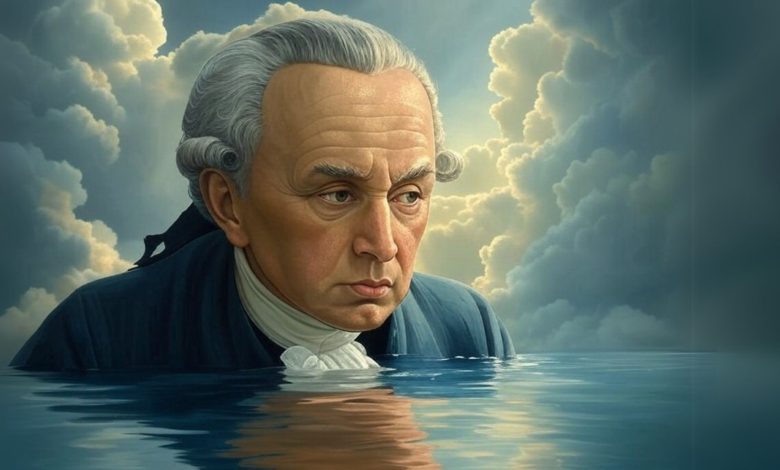
The title is a bit of a hook, isn’t it? Is Immanuel Kant, one of the greatest philosophers to ever live, really going after the human mind? Well, not exactly. It’s fair to say the title is a little bit of “clickbait,” but hold on! There’s a good reason for that.
Immanuel Kant is a titan in the history of philosophy, largely thanks to his seminal work, the Critique of Pure Reason. The confusion, if there is any, stems from that very title. But what exactly makes this book—and the mind that produced it—so extraordinary? Let’s dive in.
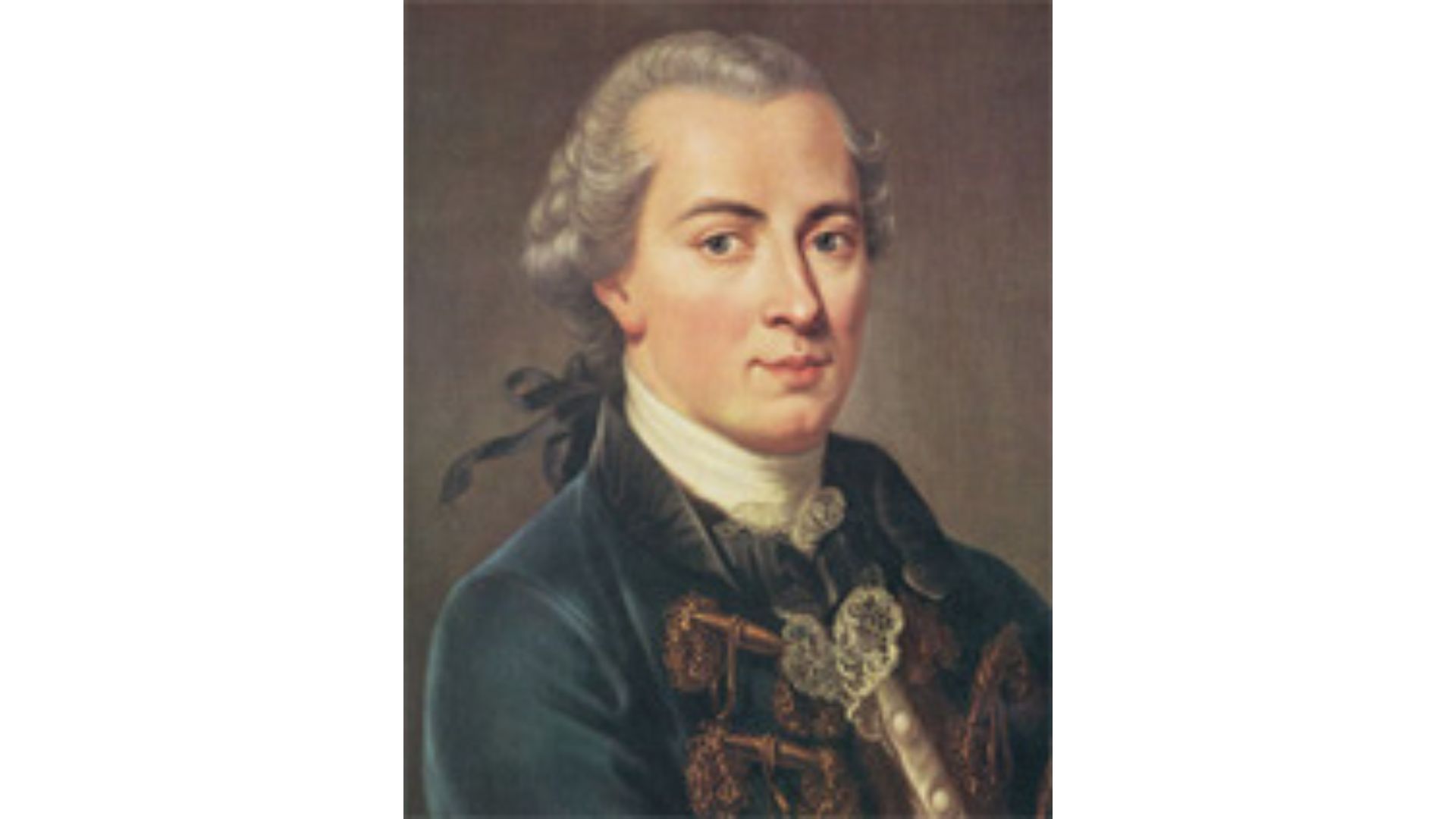
Why Kant Matters
Throughout his life, Kant was obsessed with “the truth.” He was deeply curious about the nature of knowledge and wanted to shed light on it. Consequently, questions like what we can know, the source of our knowledge, and how we acquire it became his primary playground.
For Kant, knowledge didn’t just come from external objects. He believed our minds come pre-equipped with certain internal frameworks. In other words, he held a view diametrically opposed to John Locke’s “blank slate” (tabula rasa) theory. Locke argued that knowledge stems entirely from experience—the impact of the outside world on our senses. Kant didn’t reject this entirely, but he found it incomplete. He believed that while experience is a factor, our minds actively shape and determine how we process that knowledge.
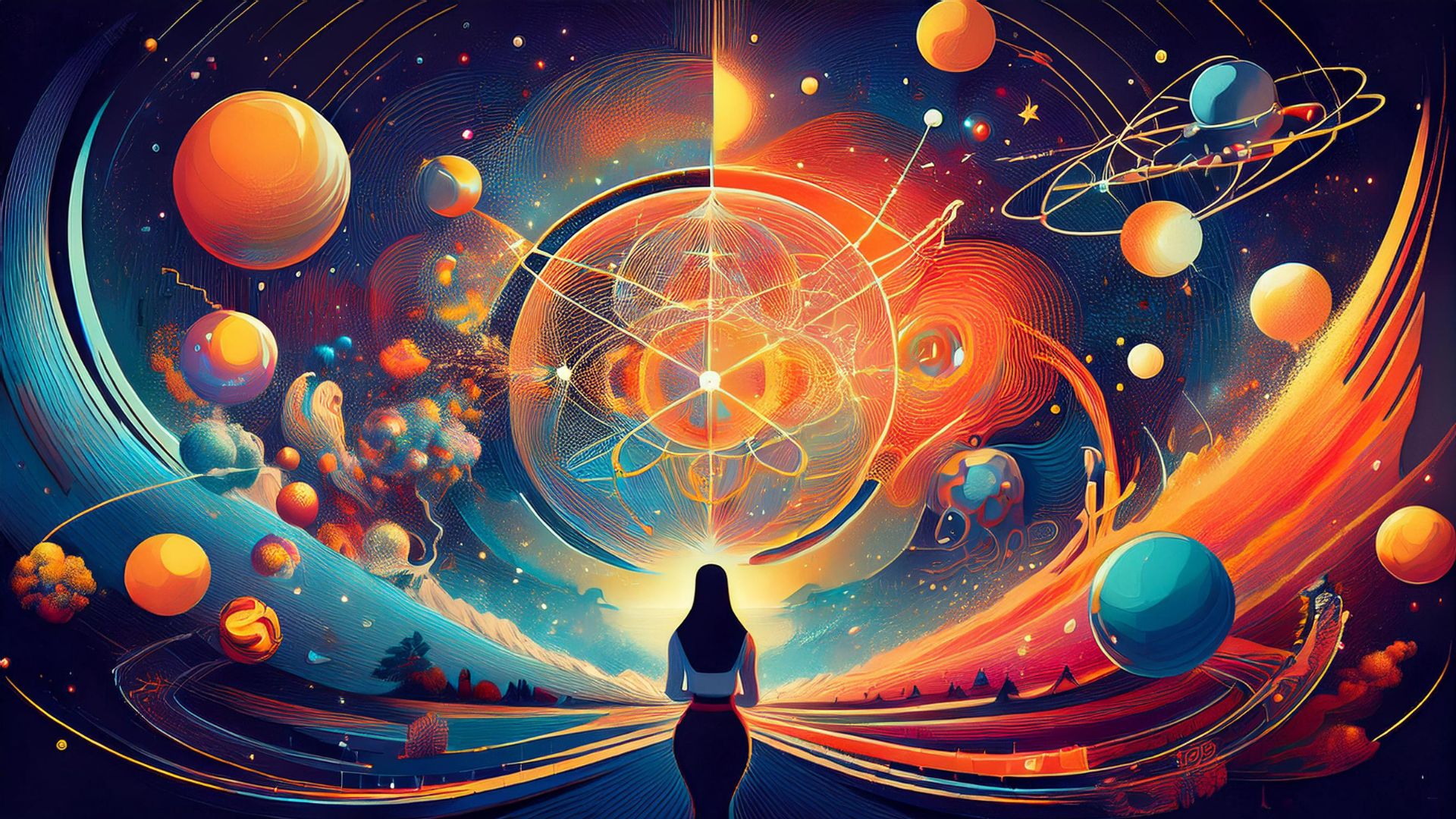
Kant divides knowledge into two types: A Priori and A Posteriori.
Let’s break these down. A priori knowledge is independent of experience. This includes things like mathematics, physics, and chemistry—universal truths that don’t rely on us observing them to be true. You could think of this as deduction. A posteriori knowledge, on the other hand, develops through experience. You could call this induction.
For Kant, it wasn’t enough to just categorize knowledge; we also need to analyze it. He argued that we have two methods for this: Analytic and Synthetic Judgments.
Analytic Judgments: In this type of analysis, we reach a conclusion based on concepts we already have. For example: “All bachelors are unmarried.” This judgment doesn’t give us new information; it simply unpacks the existing concept of a bachelor.
Synthetic Judgments: These expand our knowledge and provide new information about an object or situation. For example, saying “This table is brown” or “This table is made of steel” provides specific, new information about the object in question.
So far, we’ve looked at Kant’s types of knowledge and how we analyze them. But beyond that, there’s the question of how the mind perceives the world in the first place. This is where things get a bit more complex, so let’s sharpen our focus and move on to the next chapter.
Phenomena and Noumena
To understand both how our minds perceive information and the limits of that knowledge, Kant defined two concepts: Phenomena and Noumena.
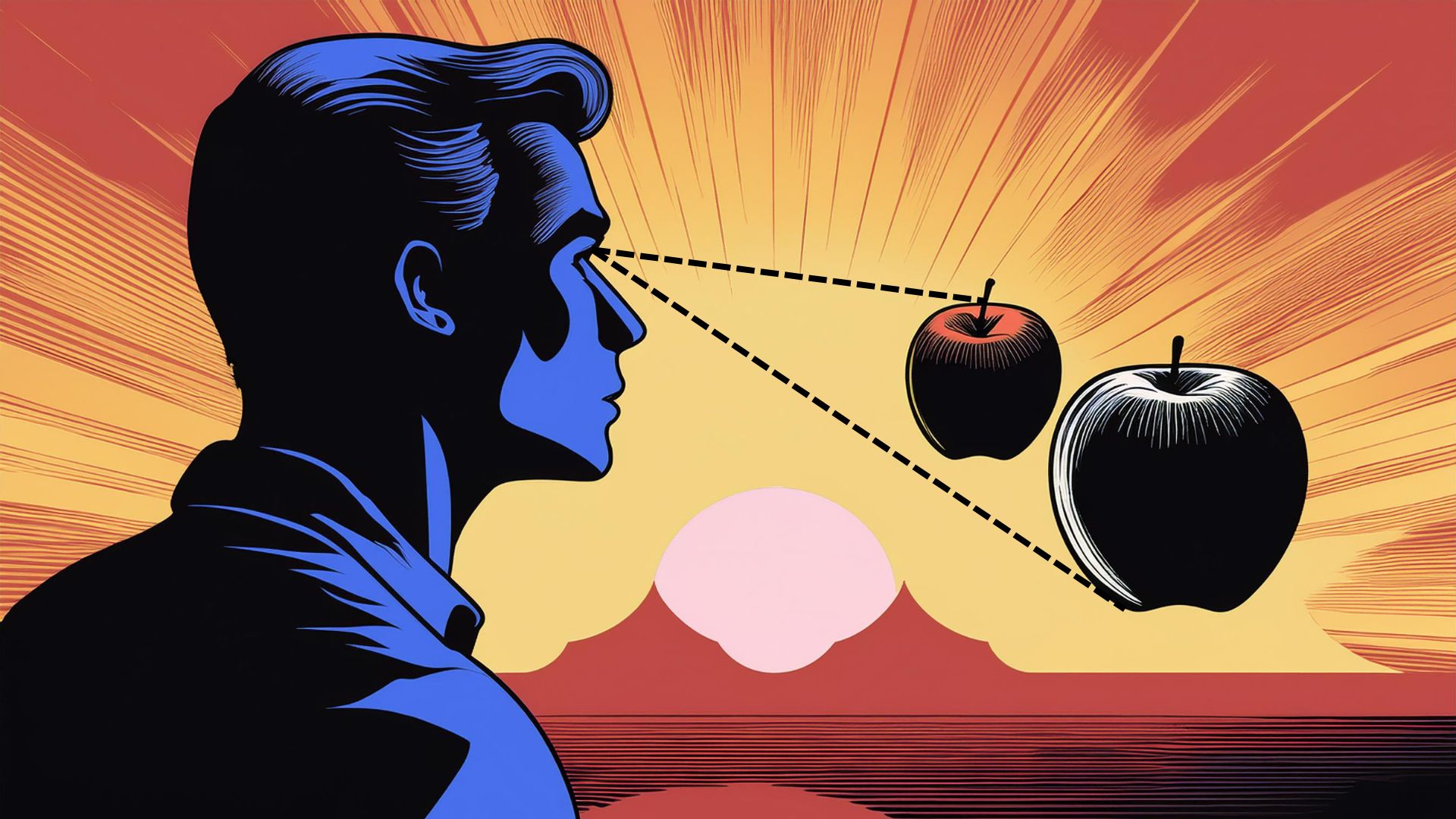
Let’s take these one by one. The phenomenon is the world we experience—essentially, the appearances. These are the sensory inputs we perceive effortlessly. For instance, perceiving an object as “far away” or “nearby.” We grasp this without any conscious effort because of the architecture already built into our minds, but it is strictly limited to our experience. Anything that transcends experience moves out of the realm of phenomena and into the realm of the Noumena.
Phenomenal knowledge is the foundation of scientific knowledge. It helps us understand the laws of nature through experience. Think of Archimedes discovering buoyancy while in his bath, or the classic story of Newton and the apple—these are perfect examples.
Kant argues that certain knowledge is possible within the phenomenal world. Because the mind uses a priori structures to make sense of the world, we can obtain precise, orderly, and universal knowledge about phenomena. In short, phenomena are the critical path to knowledge.
Noumena, however, are things as they exist independently of our experience. Kant argues that these are fundamentally unknowable. We cannot have direct knowledge of things that are not open to our experience, such as the nature of God. We can only observe the effects that noumena have on our phenomenal (apparent) world.
In other words, Kant maintains that knowledge is certain at the phenomenal level because that knowledge is structured by the mind itself.
We know, we know… this section was a bit tougher. It’s not necessarily that the concepts are impossible to grasp, but Kant’s writing style and specific vocabulary can make the journey a bit bumpy. But don’t worry! Let’s leave the phenomena and noumena behind and shift our focus to other areas.
The Conditions of Knowledge
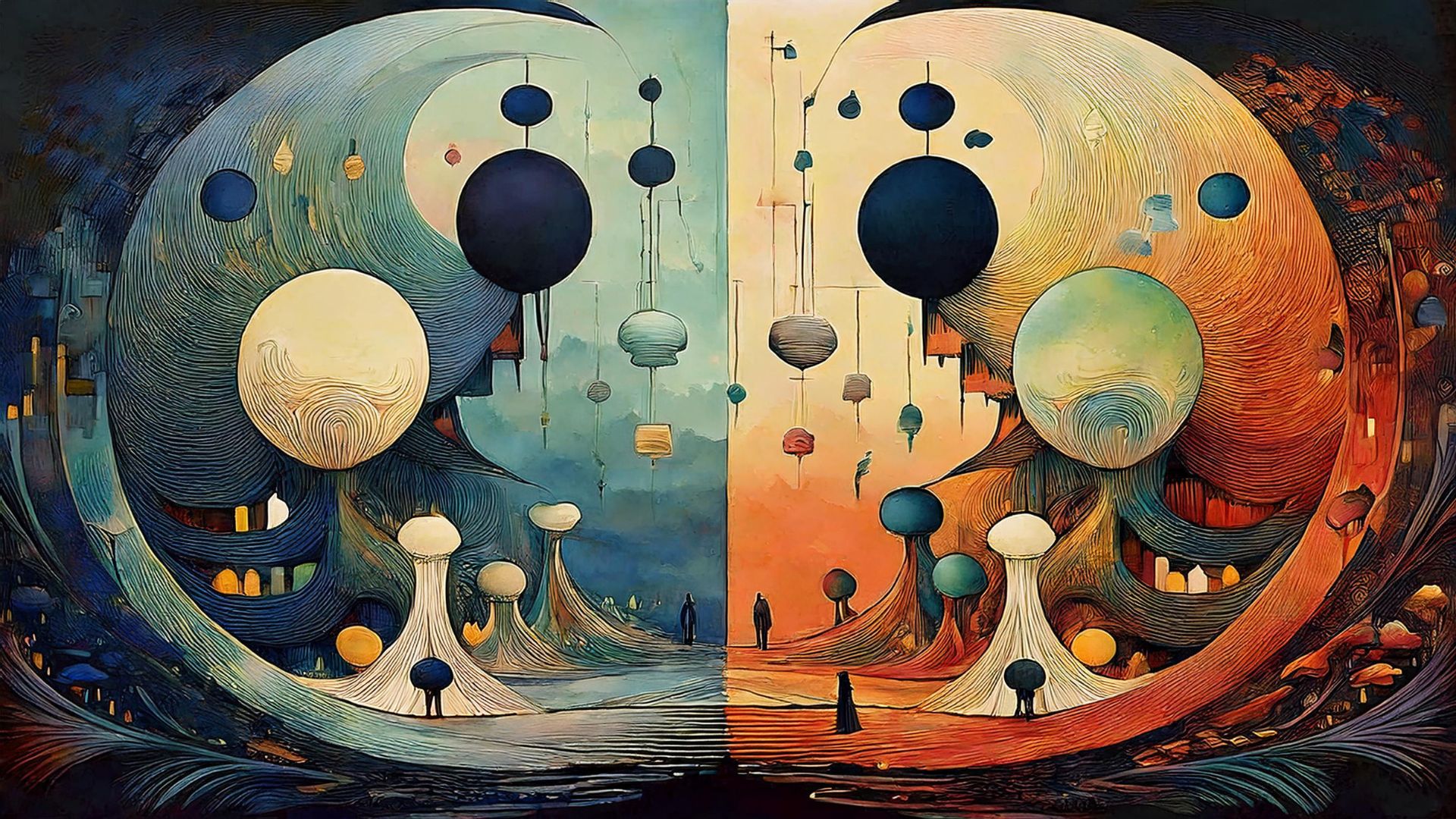
Kant’s epistemology doesn’t just explain the process of acquiring knowledge; it also defines the conditions of knowledge. For Kant, knowledge is only possible when the subject’s internal mental structures (like time and space) align correctly with objects. He asserts that knowledge is only valid within the phenomenal world and that the human mind cannot establish a direct relationship with the noumenal. Think of it this way: assume physics is something that exists on its own. We can’t “touch” or directly experience that independent physics, but we can translate its rules into knowledge through our experiences and its reflections in our lives. For Kant, this proves that we can achieve certain knowledge by using what is apparent to us.
Criticisms of Kant
Kant holds a monumental place in the history of philosophy. In the wake of his work, thinkers have involuntarily split into two camps: those who oppose him and those who defend him.
He created such a sharp divide that people tend to either admire him or treat him as a target. Great philosophers like Schopenhauer, Fichte, Hegel, Kierkegaard, and Heidegger followed in his footsteps or were deeply influenced by him—all of them giants in their own right. Yet, while he won the admiration of many, he also became a target for countless others. Why? Let’s take a look.
While there are many criticisms of Kant, we’ll focus on the areas we’ve discussed here.
The most fundamental critique concerns his distinction between phenomena and noumena:
This distinction is a cornerstone of his theory of knowledge. Phenomena represent the world of experience structured by the mind’s a priori categories, while noumena represent the reality beyond that structure. However, by arguing that noumena are unknowable, Kant creates an epistemological gap. If we have absolutely no knowledge of noumena, how can we even accept their existence? This is where Kant arguably paints himself into a corner. For a thinker who valued definition and certainty—you can read our article on his ethics, Deontology, to see how much he valued that—developing a system that leaves such a fundamental question unanswered would likely have bothered him, too.

Another criticism targets his concept of “a priori.” It’s worth noting that this is a more modern critique. What is it?
If you recall, Kant argued that the human mind structures knowledge through a priori categories that are universal for all humans. However, this claim has been challenged by many thinkers who believe the human mind is heavily influenced by historical, cultural, and biological contexts. Contemporary epistemology often emphasizes that knowledge is contextual and shaped by cultural diversity. In this light, Kant’s claim of universality is often seen as reductionist. Furthermore, how can we test whether a priori knowledge is truly universal and necessary?
And so, even a philosopher as great as Kant has found himself at the center of these major debates. What do you think? Are his categories for knowledge correct, or do we acquire knowledge in different ways? Whatever your answer, we hope this article has been “informative” for you!
References and Further Reading
Bird, Allen, O., Duignan, & Brian. (2025, April 18). Immanuel Kant | Biography, Philosophy, Books, & Facts. Encyclopedia Britannica. https://www.britannica.com/biography/Immanuel-Kant
Critique of pure reason. (n.d.). Google Books. https://books.google.com/books?id=qqeX8MJurLkC
Immanuel Kant (Stanford Encyclopedia of Philosophy). (2024, July 31). https://plato.stanford.edu/entries/kant/
The Editors of Encyclopaedia Britannica. (n.d.). Immanuel Kant and the three critiques | Britannica. Encyclopedia Britannica. https://www.britannica.com/summary/Immanuel-Kant
Wikipedia contributors. (2025, April 7). Critique of pure reason. Wikipedia. https://en.wikipedia.org/wiki/Critique_of_Pure_Reason
Originally published in Turkish at Doğa Filozofu.