
Which state in recent history do you think was the greatest? The British Empire at the turn of the 20th century? The United States, our current dominant superpower? Or perhaps Nazi Germany?
Without a doubt, all of these were the dominant forces of their eras—some for a short burst, others for generations, and some, like the U.S., defining the last century. But what is the common thread between these three? Their peaks all occurred in relatively recent history. Britain and America were among the few powers capable of standing up to Nazi Germany during its height (1930–1944). Even if we consider that a “weak” era for Britain compared to its long history of dominance, it still possessed the strength to go toe-to-toe with the Nazis. They shouldn’t be underestimated. But what if I told you about a state that was so powerful that all of these nations feared it? The Soviet Union!
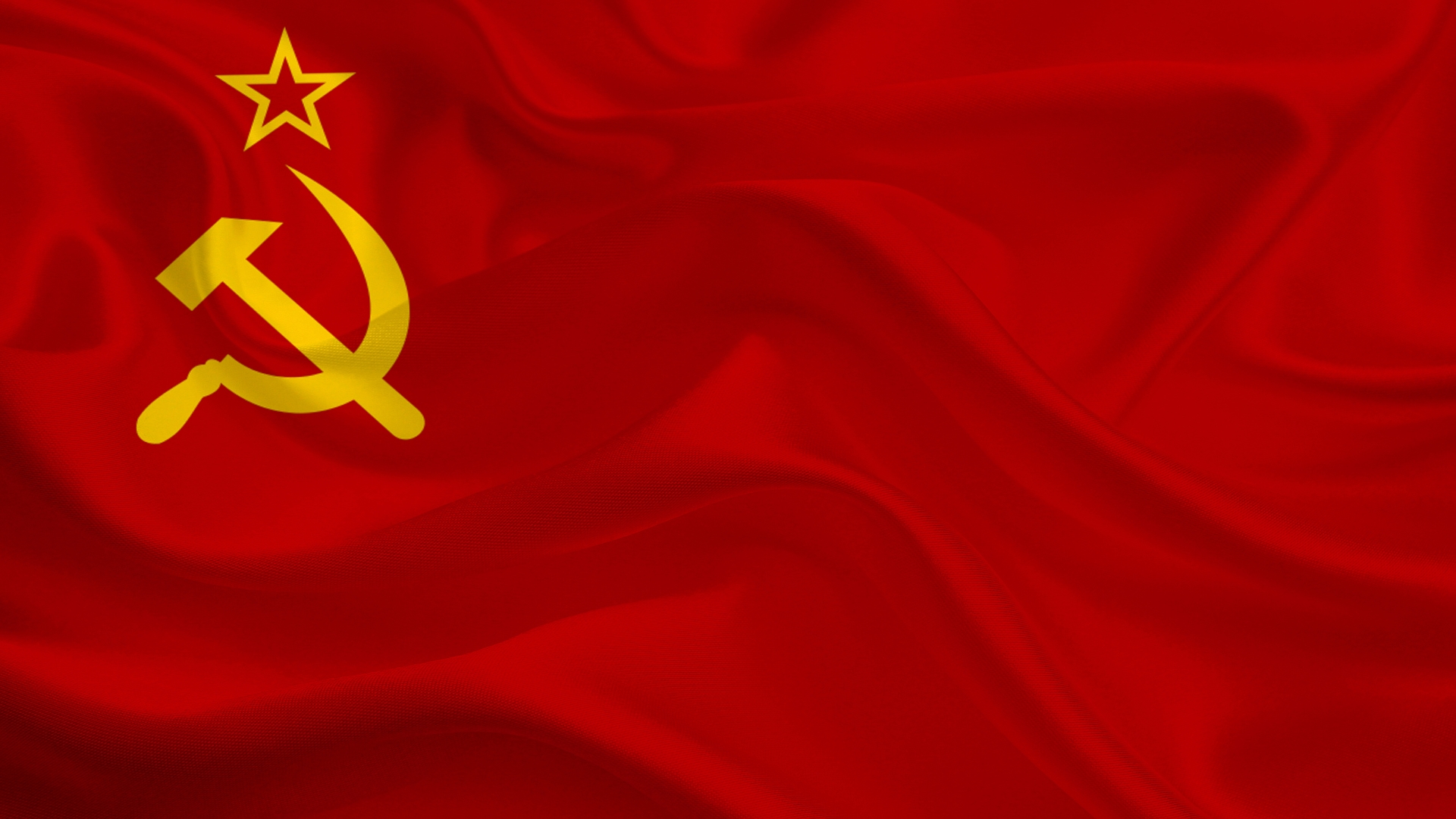
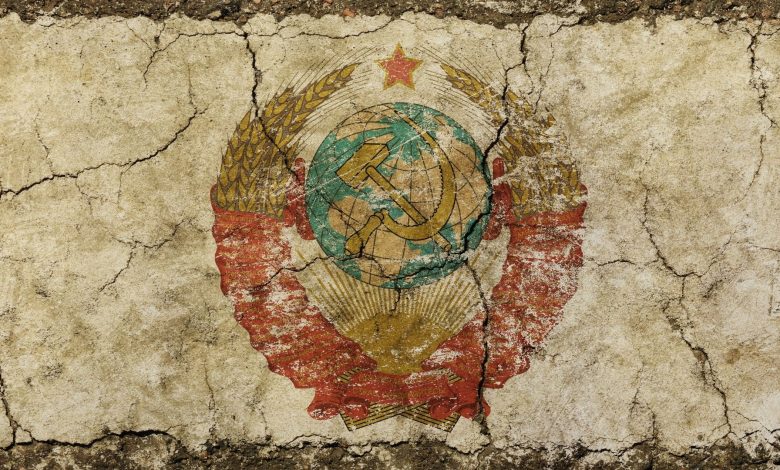
Yes, the Soviet Union wasn’t exactly long-lived by state standards. So, how could a country with such immense power collapse in such a short time? Today, we’re going to dive into the answer together!
The Founding of the Soviet Union
The Soviet Union, or the Union of Soviet Socialist Republics, was founded in 1922 following World War I under the leadership of Vladimir Lenin. The Bolsheviks, led by Lenin, overthrew the preceding provisional government and seized power. You might be asking, “Who were these Bolsheviks?” Essentially, they were the far-left faction within the Marxist Russian Social Democratic Labour Party. Already an extreme-left unit inside an extreme-left party, the Bolsheviks took control on October 25, 1917, while the First World War was still raging.
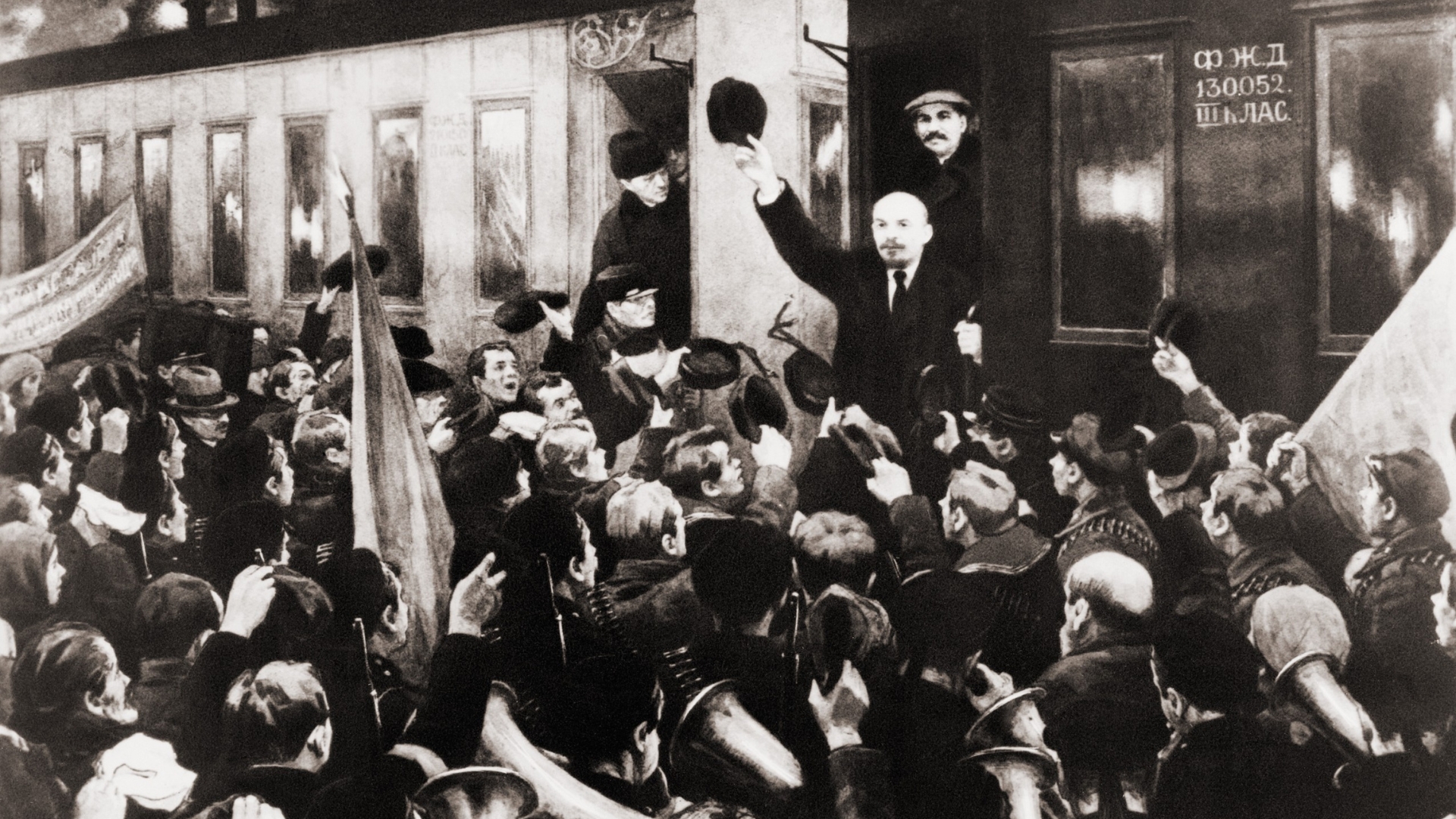
To build a strong internal foundation, Lenin pulled Russia out of all ongoing wars, making no further territorial claims. This actually played right into the hands of the Ottoman Empire, as the Russian withdrawal removed a threat from the north. Of course, a difficult road awaited the Russians after leaving the war. Lenin initiated a series of radical internal revolutions. Russia, which until then had been ruled by nobility, suddenly transitioned into a socialist regime where everyone was equal and the working class was the priority. Naturally, this regime wasn’t accepted overnight. Bolshevik opponents within the borders of modern-day Russia rose up against Lenin, bolstered by support from countries like Britain. Meanwhile, taking advantage of the chaos, Romania, Japan, and Poland launched their own offensives. In response, Lenin formed the Red Army, a name that would become infamous during World War II. The pro-monarchy rebels launched a counter-movement known as the White Terror, but it failed to gain much popular support because those behind it were seen as puppets of foreign powers. Still, it was a brutal struggle. Just as the Bolsheviks were gaining the upper hand, Britain and America stopped supporting the White Terror and pulled back their resources. From that point on, it was a total victory for Lenin.
Neither the White Terror nor the invading foreign armies could succeed. Lenin’s intelligence and strategic prowess carried the day. With order restored, the Union of Soviet Socialist Republics was officially established in 1922.
If you’re thinking, “I know three of the words in that name, but what is this ‘Soviet’ business? It hasn’t been explained yet—is it Lenin’s middle name?” let’s take a quick look at the etymology. The word “Soviet,” or “Sovet” in Russian, actually translates to “council” or “meeting.” During the 1905 Revolution, it was used to describe local assemblies formed by worker and peasant representatives. Including this word in the state’s name was a clear signal that workers and peasants were the primary focus.
Enter Stalin!
With the founding of the USSR in 1922, socialism had fully arrived in the Russian landscape, but it brought a massive famine along with it. By 1921, insurgent and invading forces were still pressuring the Soviet Union. As the country was forced into a war economy, famine struck, claiming 6 million lives between 1921 and 1922.
Consequently, Lenin’s goal as soon as the country was founded was to rebuild the entire economy. Initiating processes like modernizing agriculture and optimizing energy use, the Soviets also adopted the NEP (New Economic Policy) during this period. While this system was essentially capitalist, it was the necessary solution to hunger and poverty. It would remain in place until 1928, when Lenin’s successor, Stalin, pulled the plug on it.
Stalin would only get to lead the country he fought for for a short time. Lenin, whose health had deteriorated shortly after the state was founded, suffered a stroke in 1923 and died in 1924. His passing plunged the country into deep mourning. Following his death, the question of leadership arose. Although the country was briefly governed by a collective leadership, a new sole leader would eventually emerge. There were two main contenders: Leon Trotsky and Joseph Stalin.
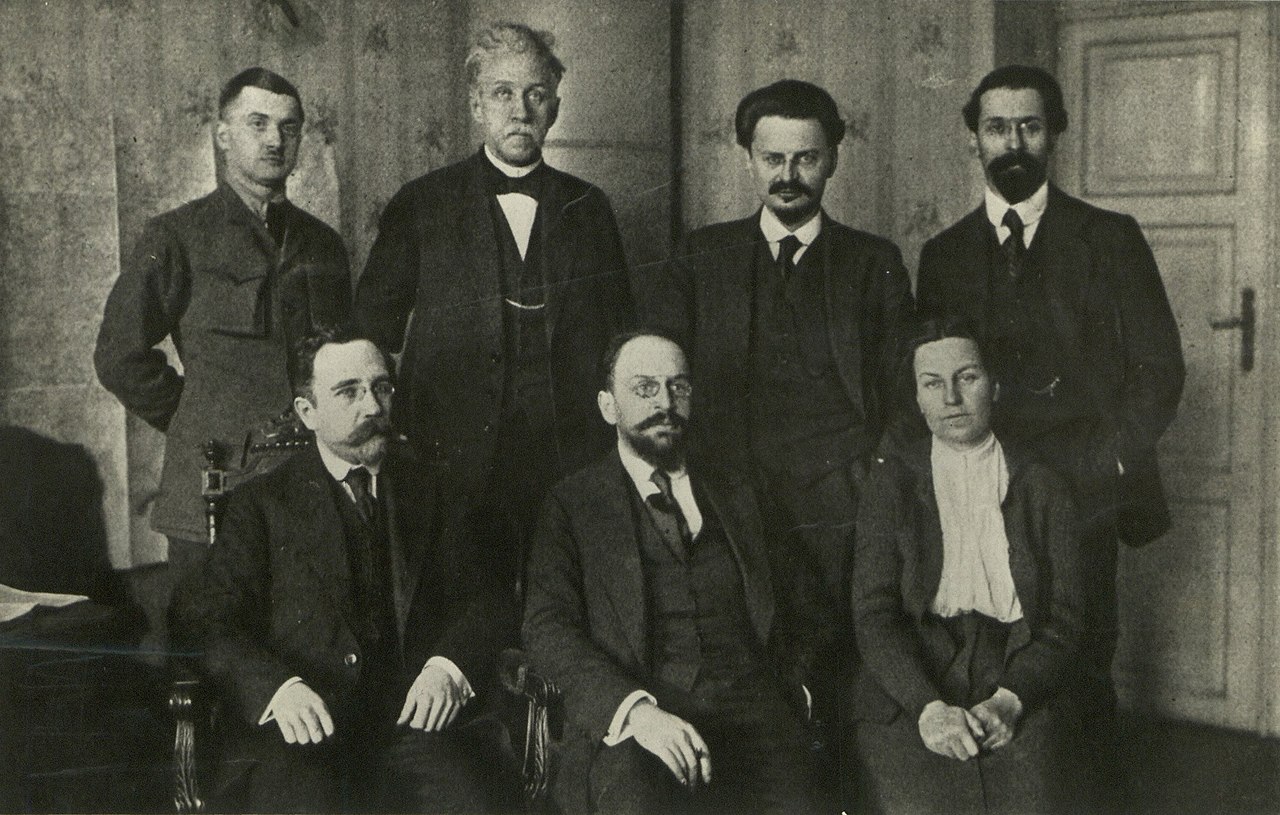
Leon Trotsky was the leader of the Red Army and had been by Lenin’s side during the most difficult times. Stalin, on the other hand, was the People’s Commissar for Nationalities. Stalin engaged in a political battle with Trotsky for about four years, eventually succeeding in having Trotsky exiled and taking the reins himself. From this point on, a 30-year dictatorship would begin.
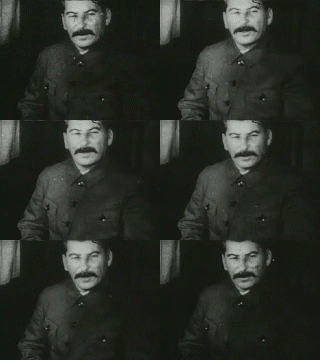
Stalin’s most active years were spent preparing for and fighting in World War II. For the sake of this essay, we’ll leave the political developments there. Ultimately, the eras of Lenin and Stalin were the formative and rise-to-power periods of the country. This socialist regime had succeeded both militarily and politically, but of course, it wouldn’t stay that way forever.
Stagnation and Decline
For about 30 years after Stalin, the country remained a superpower, but there were signs of stagnation here and there. So, why did it go into decline? The primary reason was economic trouble.
The Soviet Union was a socialist country in a capitalist world. At first, the Soviets managed to adapt despite this difference and were economically successful, but problems surfaced over time. This economic mismatch between the world and the Soviets eventually led to inefficiency, technological backwardness, and waste, causing economic stagnation. By the 1980s, the Soviet economy was lagging far behind Western nations. Heavy investment in industry left consumer needs largely unmet.
Of course, the internal economy wasn’t the only issue. The Soviet Union was in a Cold War with the U.S. The two countries were on opposing sides, constantly targeting one another. This required a relentless drain of resources, forcing the Soviets into an economic war they couldn’t sustain.
As the socialist regime began to crumble in the 1980s, the Soviets sensed that trouble was brewing. Communist regimes in countries like Poland, Hungary, and East Germany were collapsing, while capitalist systems were gaining strength. On top of all this came what many historians consider a massive blunder: the Soviet intervention in Afghanistan.
In 1978, the communist-leaning People’s Democratic Party of Afghanistan (PDPA) came to power. This new government tried to transform traditional Afghan society through radical reforms, but public discontent grew quickly. The reforms faced massive resistance, especially in conservative and rural areas. Consequently, internal chaos erupted, and Islamist resistance groups rapidly gained power in the countryside.
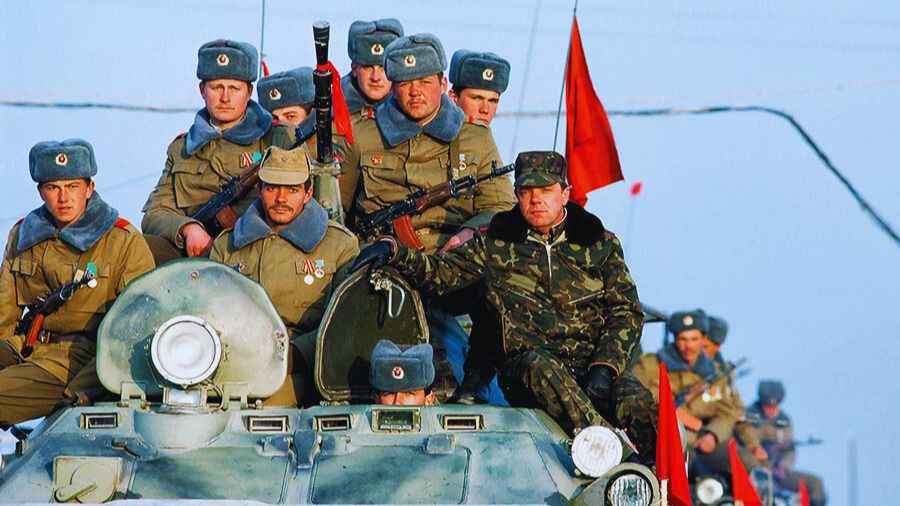
In 1979, the Soviet Union decided to intervene militarily to prevent the collapse of the communist regime in neighboring Afghanistan. On December 24, 1979, Soviet troops entered the country, overthrew the regime of Hafizullah Amin, and replaced him with the pro-Soviet Babrak Karmal. Naturally, this intervention was not well-received by the Afghan people.
Afghan mujahideen, armed and logistically supported by the U.S., Pakistan, Saudi Arabia, and other Western countries, put up an effective resistance against the Soviets. Specifically, the Stinger missiles provided by the U.S. were effective at downing Soviet helicopters, shifting the balance of the war. Unable to hold their ground in the Afghan landscape, Soviet soldiers suffered heavy losses. Mikhail Gorbachev, who came to power in 1985, was forced to withdraw troops from the region. This severely damaged the authority and prestige of the Soviets. The withdrawal process finished in 1989, but a dark stain had been left on the Soviet legacy.
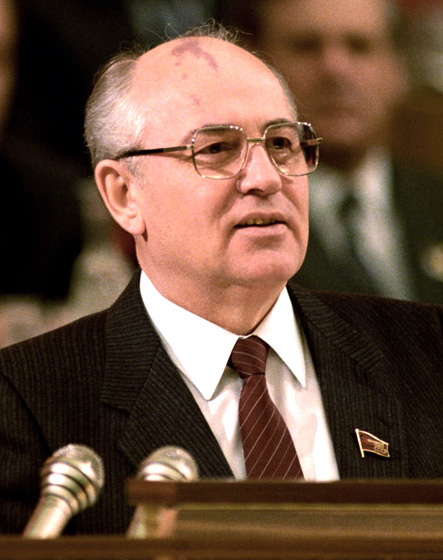
After 1985, the Slavic peoples within the Soviet Union wanted their own states. This movement created serious damage for the Soviet Union internally, compounded by the war in Afghanistan. From the moment he took power, Mikhail Gorbachev tried to regulate these issues. He aimed to modernize the Soviet economy and political structure, but these reforms were not welcomed by many conservative communist leaders. Gorbachev sought to transform the economy with free-market elements and increase political freedoms. This led to deep divisions within the Soviet ruling class, as some felt Gorbachev was jeopardizing the unity and ideological foundation of the country.
Between the economic collapse, the independence demands of the Baltic states, and internal competition, the country was in a dire state. As if that wasn’t enough, on August 19, 1991, while Gorbachev was on vacation, a group of conservative Soviet officials attempted a coup to unburden themselves of his policies. The group placed Gorbachev under house arrest and announced they had taken control, declaring a state of emergency. The coup plotters wanted to prevent the country’s collapse and return to the old communist order.
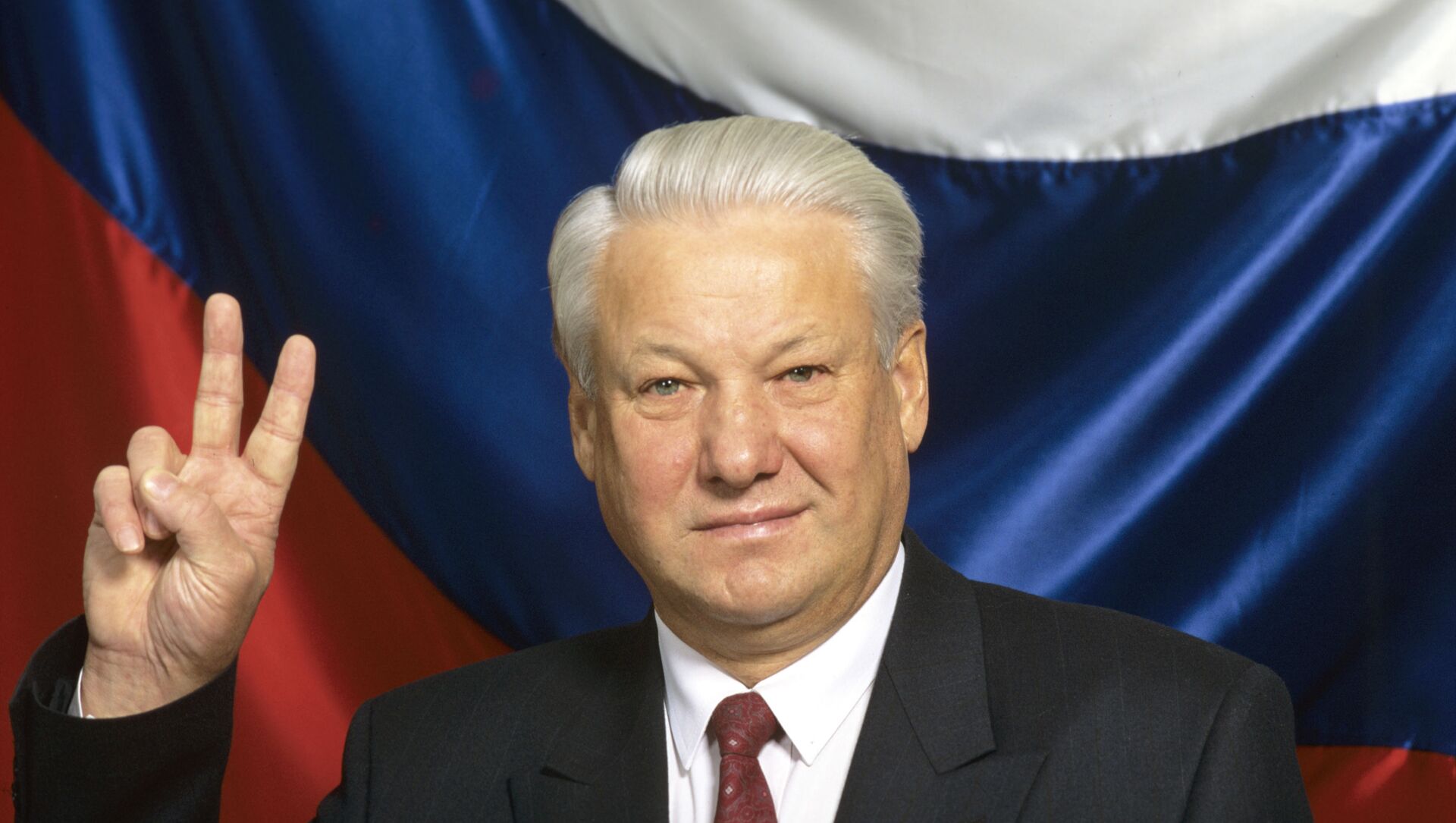
However, the coup attempt failed. Russian President Boris Yeltsin stood against the plotters and called on the public to resist. With public support in Moscow, Yeltsin’s resistance succeeded, and the coup was suppressed within three days. Still, coming on top of everything else, this event made the inevitable end clear to Gorbachev. Thus, in December of that same year, the Belavezha Accords—led by Gorbachev—officially dissolved the Soviet Union.
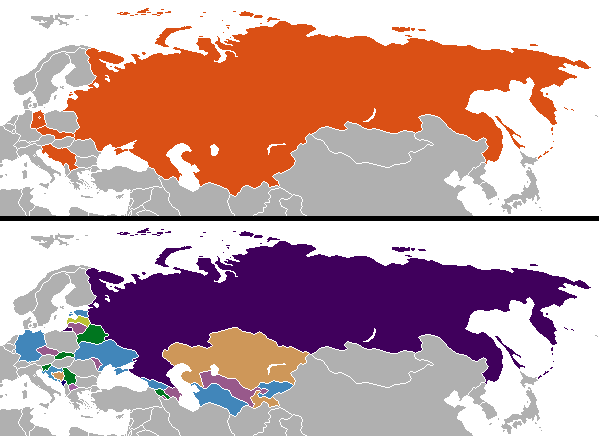
Following this agreement, Ukraine, Belarus, Estonia, Latvia, Lithuania, Georgia, Azerbaijan, Armenia, Kazakhstan, Kyrgyzstan, Tajikistan, Turkmenistan, Uzbekistan, Moldova, and, of course, Russia—the state still identified with the Soviet Union—were born.
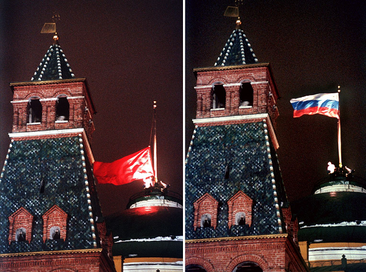
And that is how the Soviets dissolved, leaving the world’s political map largely as we see it today.
References and Further Reading
Britannica money. (2024, October 4). https://www.britannica.com/money/New-Economic-Policy-Soviet-history
Hingley, R. F. (2024, October 9). Joseph Stalin | Biography, World War II, death, & Facts. Encyclopedia Britannica. https://www.britannica.com/biography/Joseph-Stalin
Pipes, R. E., Dewdney, J. C., McCauley, M., & Conquest, R. (2024, October 8). Soviet Union | History, Leaders, Flag, Map, & Anthem. Encyclopedia Britannica. https://www.britannica.com/place/Soviet-Union
Resis, A. (2024, August 22). Vladimir Lenin | Biography, Facts, & Ideology. Encyclopedia Britannica. https://www.britannica.com/biography/Vladimir-Lenin
Riasanovsky, N. V., Taruskin, R., Medvedkov, O. L., Medvedkov, Y. V., Hellie, R., Wachtel, A. B., Raeff, M., Lieven, D., Hosking, G. A., McCauley, M., Seton-Watson, H., Keenan, E. L., Vodovozov, S. A., & Dewdney, J. C. (2024, October 10). Russia | History, Flag, Population, Map, President, & Facts. Encyclopedia Britannica. https://www.britannica.com/place/Russia/Soviet-Russia
The Editors of Encyclopaedia Britannica. (n.d.). The dissolution of the Union of Soviet Socialist Republics | Britannica. Encyclopedia Britannica. https://www.britannica.com/summary/Soviet-Union
The Editors of Encyclopaedia Britannica. (1998, July 20). Soviet | Structure, Functions & History. Encyclopedia Britannica. https://www.britannica.com/topic/soviet-government-unit
The Editors of Encyclopaedia Britannica. (2024, September 10). Soviet invasion of Afghanistan | Summary & Facts. Encyclopedia Britannica. https://www.britannica.com/event/Soviet-invasion-of-Afghanistan
Originally published in Turkish at Doğa Filozofu.