

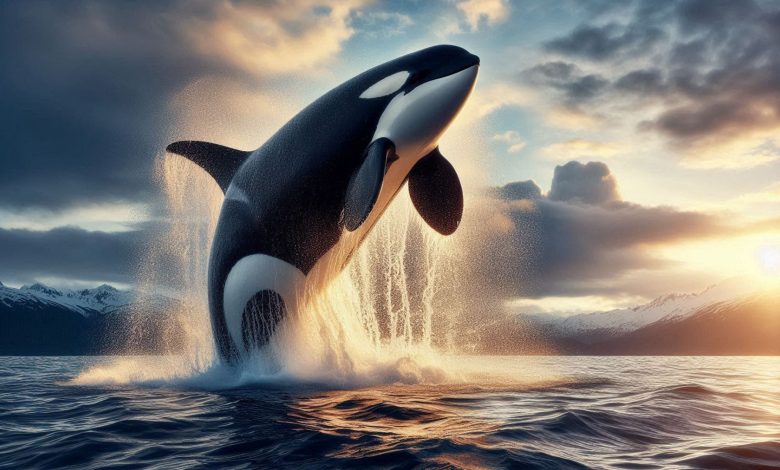
A significant portion of marine life doesn’t exactly make a claim to fame when it comes to intelligence. They aren’t generally thought to have the problem-solving skills of land-dwelling monkeys, elephants, or even bears. You wouldn’t expect them to devise high-level strategies or excel at complex communication—but there are notable exceptions. Dolphins, Blue Whales, and, of course, Orcas.
Orcas, or as they are more commonly known, killer whales, are incredibly mysterious and sophisticated creatures. With males living up to 50-60 years and females up to 90, weighing between 3 to 4 tons, and reaching lengths of about 7 meters, these heavyweights possess a defining trait that goes beyond their sheer mass: their high intelligence. Today, we’re going to get to know these mysterious friends of ours a bit better and take a tour through the world of the killer whale.
The Emergence of Killer Whales
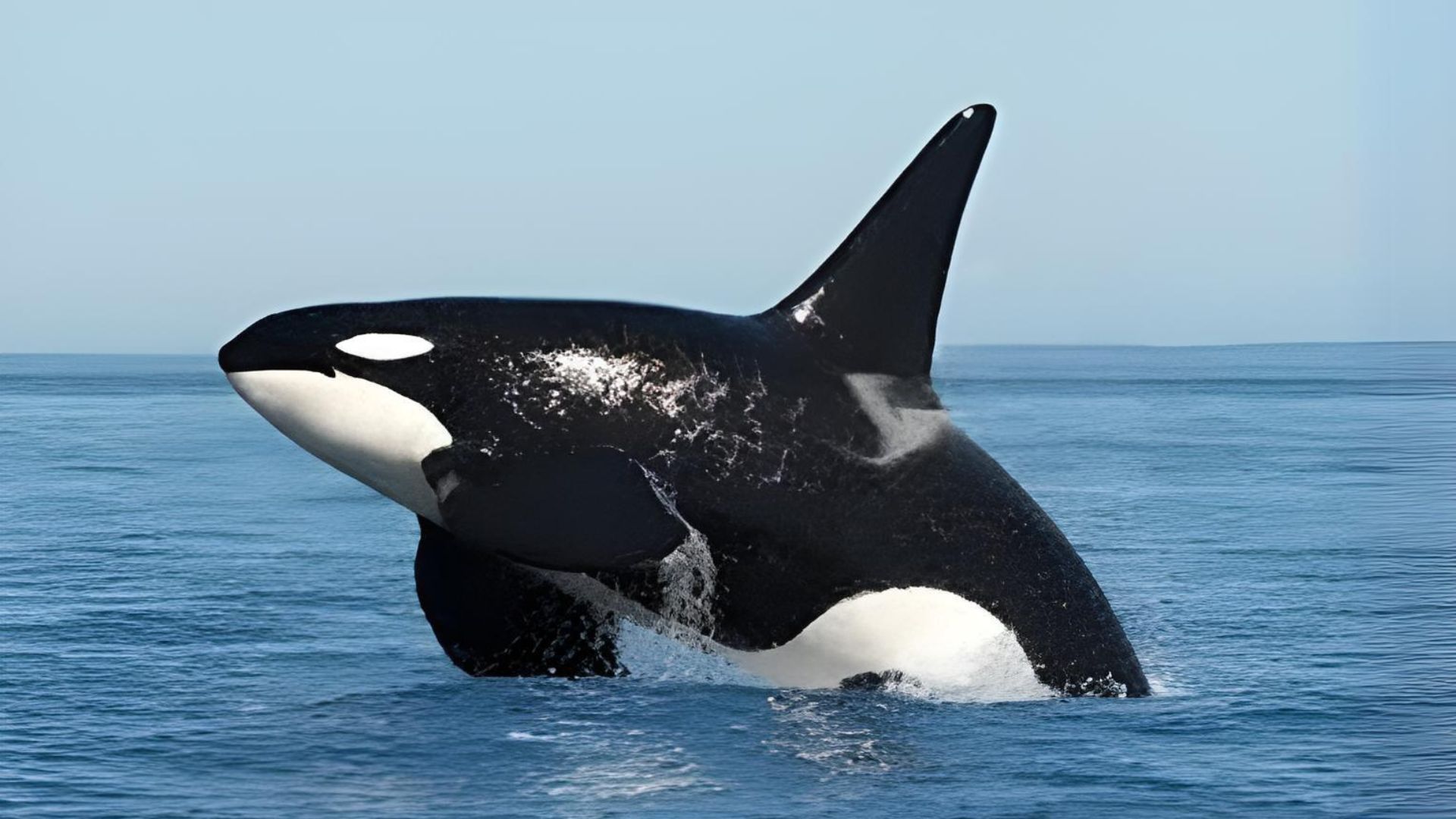
The funny thing is, killer whales aren’t actually whales. They belong to the same family as dolphins, so they are technically a species of dolphin. They earned their name because of their ability to hunt large whales and form relationships with them. It’s widely believed that the name was originally meant to be “Whale Killer,” which then evolved into “Killer Whale.” But why call them “killers”? Is it just because they hunt whales? Of course not.
There are two main reasons for the name: First, their black-and-white coloring and that white patch near the eye give them a rather stern, intimidating look. The second reason lies in their identity as a true apex predator, which we’ll dive into later. But before that, let’s take a quick look at their evolutionary history.
Killer whales, or Orcinus orca as they are known in biology, evolved roughly 11 million years ago. Of course, if we were to travel back 11 million years, we wouldn’t see the creature we see today; we’d meet its ancestor. Let’s briefly touch upon its development.
The Development of the Killer Whale
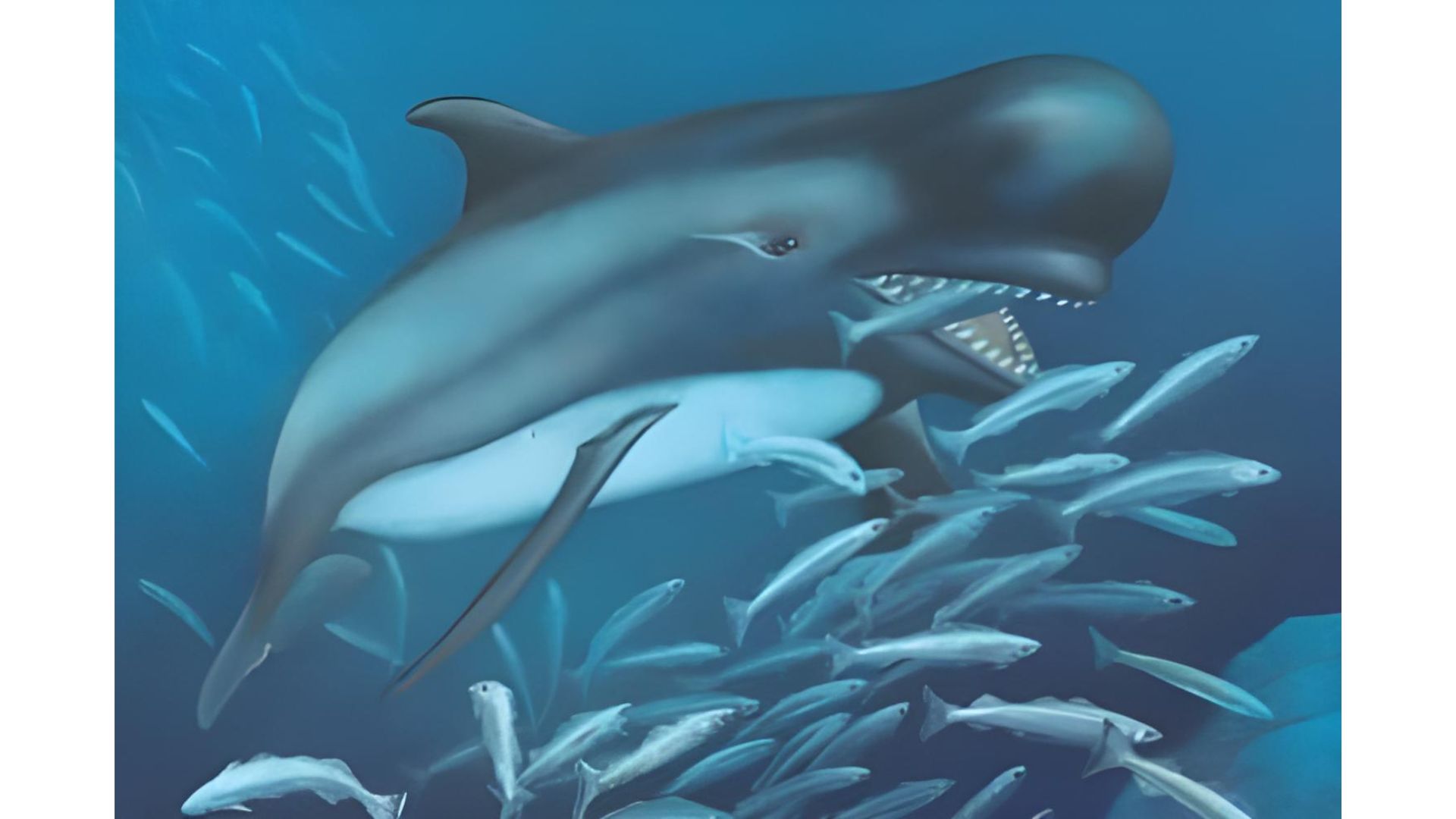
Modern orcas belong to the toothed whale (odontoceti) group, which includes dolphins, porpoises, and other large toothed whales. Throughout their evolution, orcas developed powerful hunting skills and complex social structures by adapting to environmental changes. In other words, the orcas we see today have evolved significantly in terms of their social fabric. While we don’t know exactly how sophisticated their social skills were in the past, they undoubtedly completed their transformation into a predator that strikes terror into their prey. Now, thanks to both their skills and their fearlessness, they have fully earned their identity as top-tier hunters.
From an evolutionary standpoint, it’s unclear whether killer whales have undergone massive changes. As far as we know, some ancient orcas were longer and had a more arched snout structure. Aside from that, they weren’t all that different from modern orcas. Of course, this is only based on what we know so far. What the future will reveal about the past is always an open question.
There are many questions to ask about killer whales. One of them, without a doubt, is where they live. Given the predator identity hidden behind that mysterious appearance, it’s worth discussing. Killer whales can be found in oceans almost everywhere in the world. They inhabit a vast geography from the Arctic to Antarctica. However, they are most concentrated in cold water regions, particularly around Alaska, Norway, and Antarctica. They can live in both coastal regions and the open sea. The good news is that these 6-7 meter-long marine giants don’t usually frequent seas like the Mediterranean or the Black Sea. So, the chances of running into one are quite low.
“Okay, but what are their lives like? Do they have families?” we hear you ask. Let’s get right to that.
Social Structures
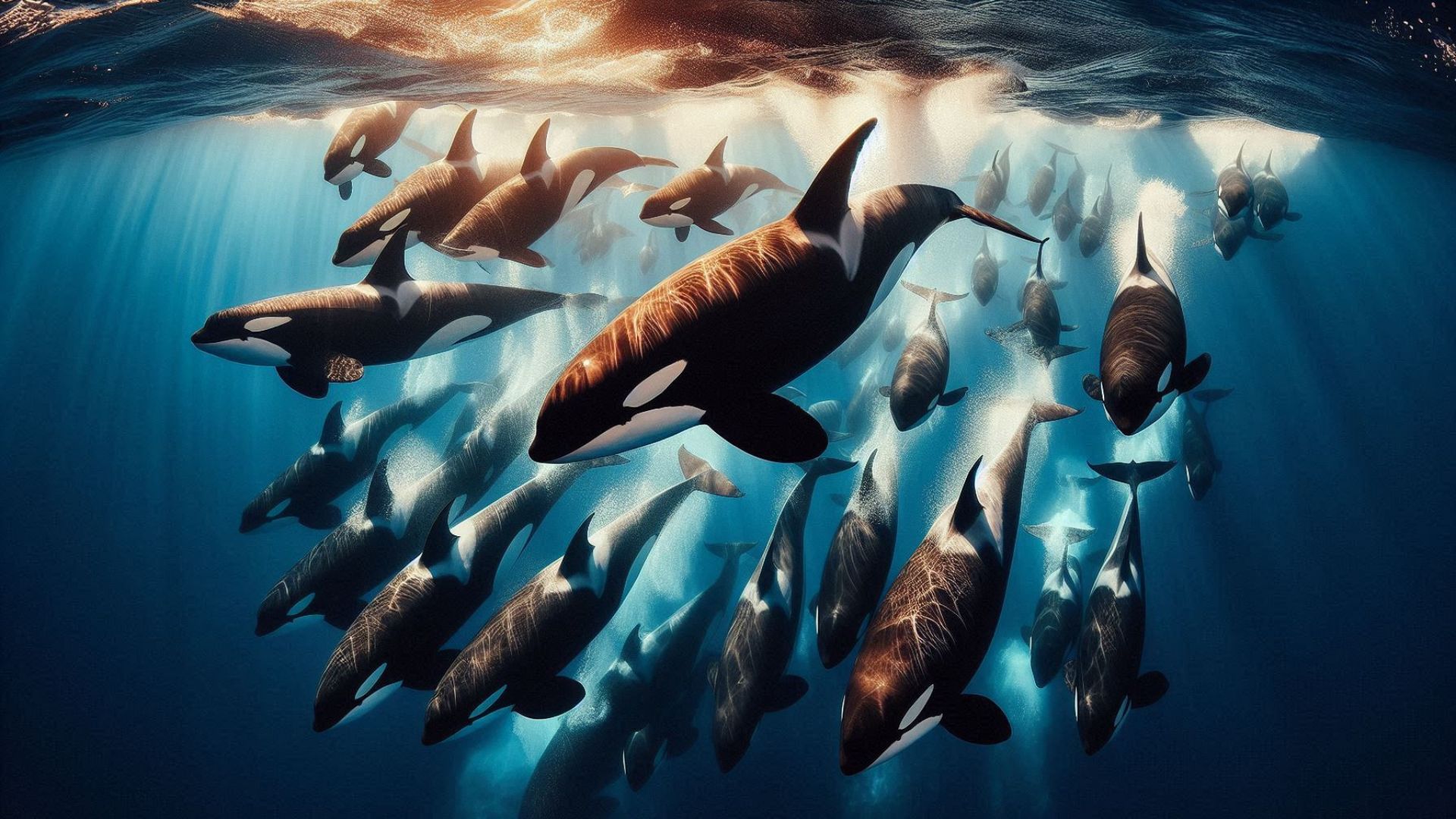
Orcas are extremely social animals and generally live in matrilineal family groups. These groups exhibit a persistent social structure and hierarchy. There are strong bonds between group members; they hunt, play, and travel together. Each group communicates using its own unique “dialects.” The catch here is that killer whales aren’t exactly the most tolerant animals. Getting kicked out of the group is quite easy, and solitary orcas are often former members who have been ostracized. Members can be expelled for various reasons, such as having a different call, making mistakes during a hunt, or disrupting the social hierarchy. Otherwise, they live together in peace. Staying together is crucial because killer whales hunt as a team, pooling their strength to take down their primary prey: seals.
Conflict and Hunting
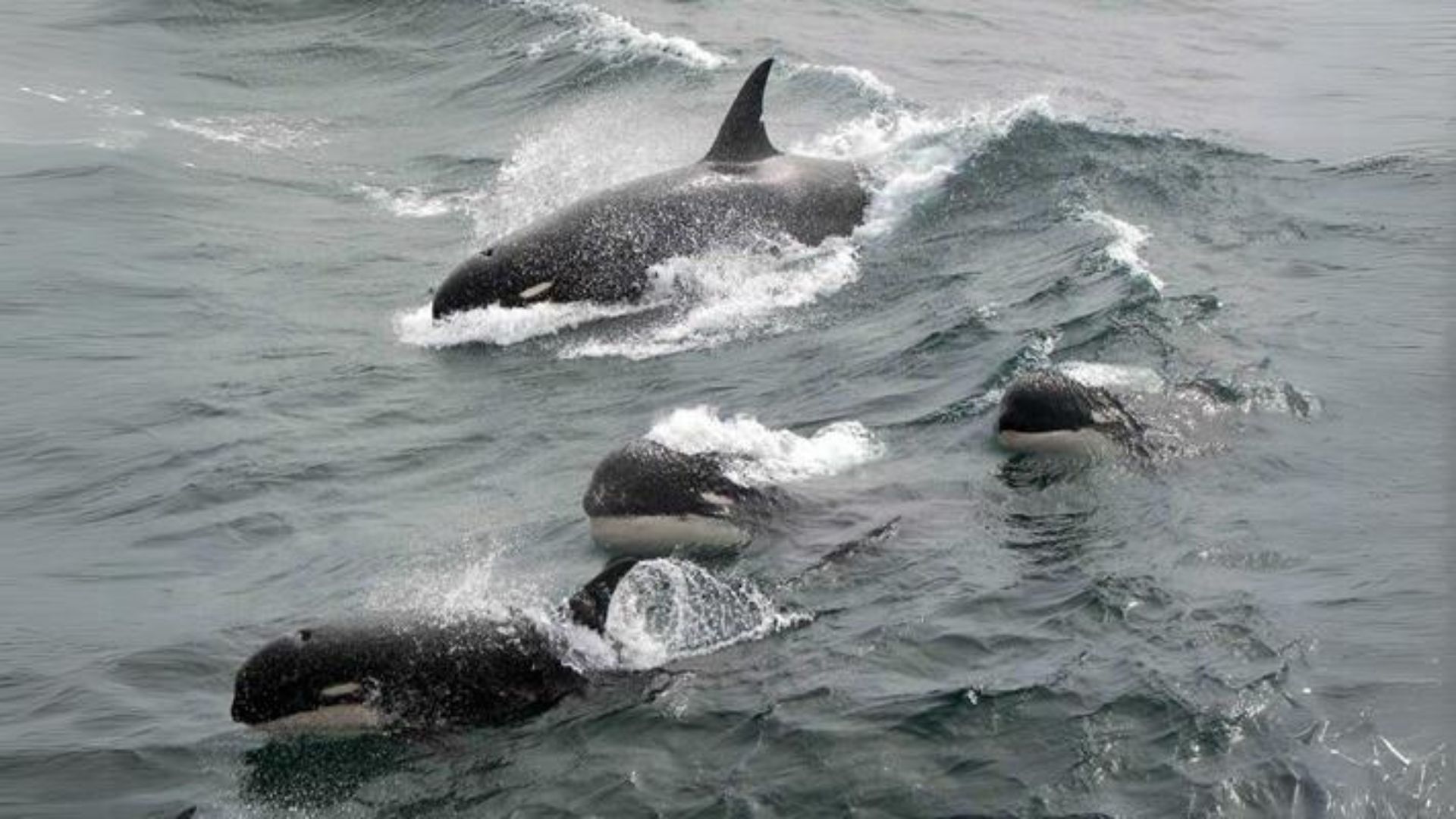
Killer whales are carnivores. Because of this, their main source of meat in the oceans—especially in their cold-water habitats—is seals. Seals are fast swimmers and agile enough to perch on floating ice. While seals don’t have much in the way of defense, their best weapons are their speed and the icy terrain; however, the killer whale has a solution for both.
Killer whales are highly flexible in their hunting strategies and have developed different methods depending on their region. Their diet covers a wide range, including fish, squid, birds, and marine mammals (like seals and other whales), but seals are the animals that truly showcase their strategic genius.
To catch their prey, killer whales use various methods, such as slapping the water, dragging prey onto the shore, or using coordinated group tactics. If you want to see these methods in action, you can check the “References and Further Reading” section. For those who prefer not to watch hunting videos, let’s summarize: killer whales have a firm grasp of the laws of physics and hunt with a clear understanding of the consequences of their actions.
So, do killer whales only spring into action for food? Do they ever get into conflicts?
Of course they do, but there aren’t many species in the sea that want to clash with them. They might have trouble with other whales or sharks, but sharks, in particular, don’t stand much of a chance. In fact, just at the beginning of 2024, a video surfaced showing a killer whale killing a great white shark in just two minutes. We haven’t included the video here because it’s graphic, but it would be remiss not to mention a hunter so strong, brave, and intelligent that it can take down a beast like a great white in such a short time.
The Power of the Killer Whale
Unlike other marine creatures, killer whales possess an athleticism that defies their massive size. Creatures that large are usually slower, or those that are fast aren’t nearly as strong. The hunting ability that perhaps earned them their name is tied to this physically developed athleticism and power. And, of course, their intelligence, which allows them to drag prey into the water even if they’ve made it onto an ice floe. Ultimately, when you look at their intelligence, strength, athleticism, and family ties, it’s clear just how unique and special these creatures truly are.
The Present Day
While the exact number of orcas worldwide is unknown, a serious decline has been detected in certain regions. Specifically, some orcas living in the Northeast Pacific are constantly monitored by organizations like the Whale and Dolphin Conservation Society. Some resident orca groups living along the coasts of Canada and the U.S. are considered critically endangered. The primary reasons cited for this decline are the destruction of orca habitats due to shipping traffic and pollution, as well as the depletion of food sources resulting from commercial fishing. Nevertheless, various committees have been formed to rectify this, and promising work is being carried out with the help of environmental groups.
On top of this, the intelligence of killer whales has even bled into the entertainment industry. Currently, killer whales are being trained in water parks for shows. Of course, it’s worth noting that these shows are highly contrary to animal rights. Still, we sincerely admire the way our mysterious friends can find joy in any situation and showcase their intelligence in every environment.
References and Further Reading
Killer whale on the hunt. (n.d.). [Video]. YouTube. https://www.youtube.com/shorts/4VcEwAlywD4
Killer Whale Hunting Strategy Caught on Video. (2018, January). The Weather Channel. https://weather.com/science/nature/video/killer-whale-hunting-strategy-caught-on-video
Killer whale Species Profile, Alaska Department of Fish and Game. (n.d.). The Great State of Alaska. https://www.adfg.alaska.gov/index.cfm?adfg=killerwhale.main
The Editors of Encyclopaedia Britannica. (2024, September 28). Killer whale | Definition & Facts. Encyclopedia Britannica. https://www.britannica.com/animal/killer-whale
Originally published in Turkish at Doğa Filozofu.