

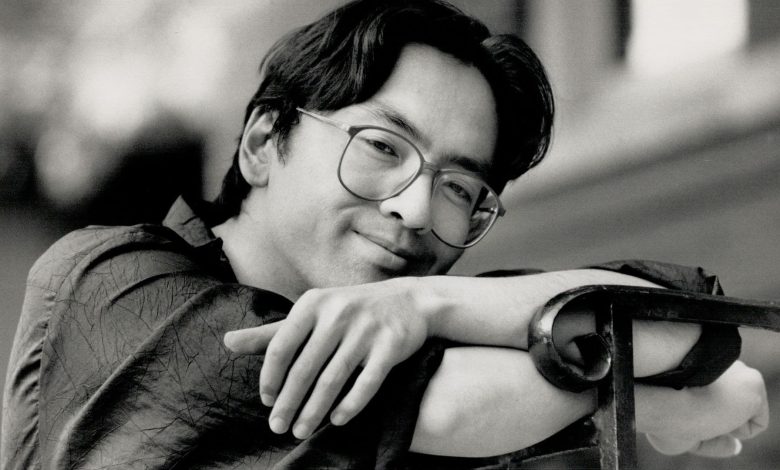
Born on November 8, 1954, in Nagasaki, Japan, Kazuo Ishiguro moved to England with his family as a young child and grew up in London. His father, Shizuo Ishiguro, was an oceanographer whose research received backing from the British government, which meant the family never returned to Japan. Ishiguro took piano lessons from a young age and taught himself to play the guitar at 14. During his teenage years, his passion for music was fueled by the likes of Bob Dylan, Leonard Cohen, and Joni Mitchell, as well as the folk scene. Driven by this interest, he began writing songs at 15, performing them for a circle of friends who shared his musical obsession. After working various jobs to save money, he set off on a three-month trip across America and Canada in 1974. Navigating the open road mostly by hitchhiking, he lived through the kind of adventure usually reserved for the pages of a novel—and, in fact, he wrote two stories based on his travels as soon as he returned to London.
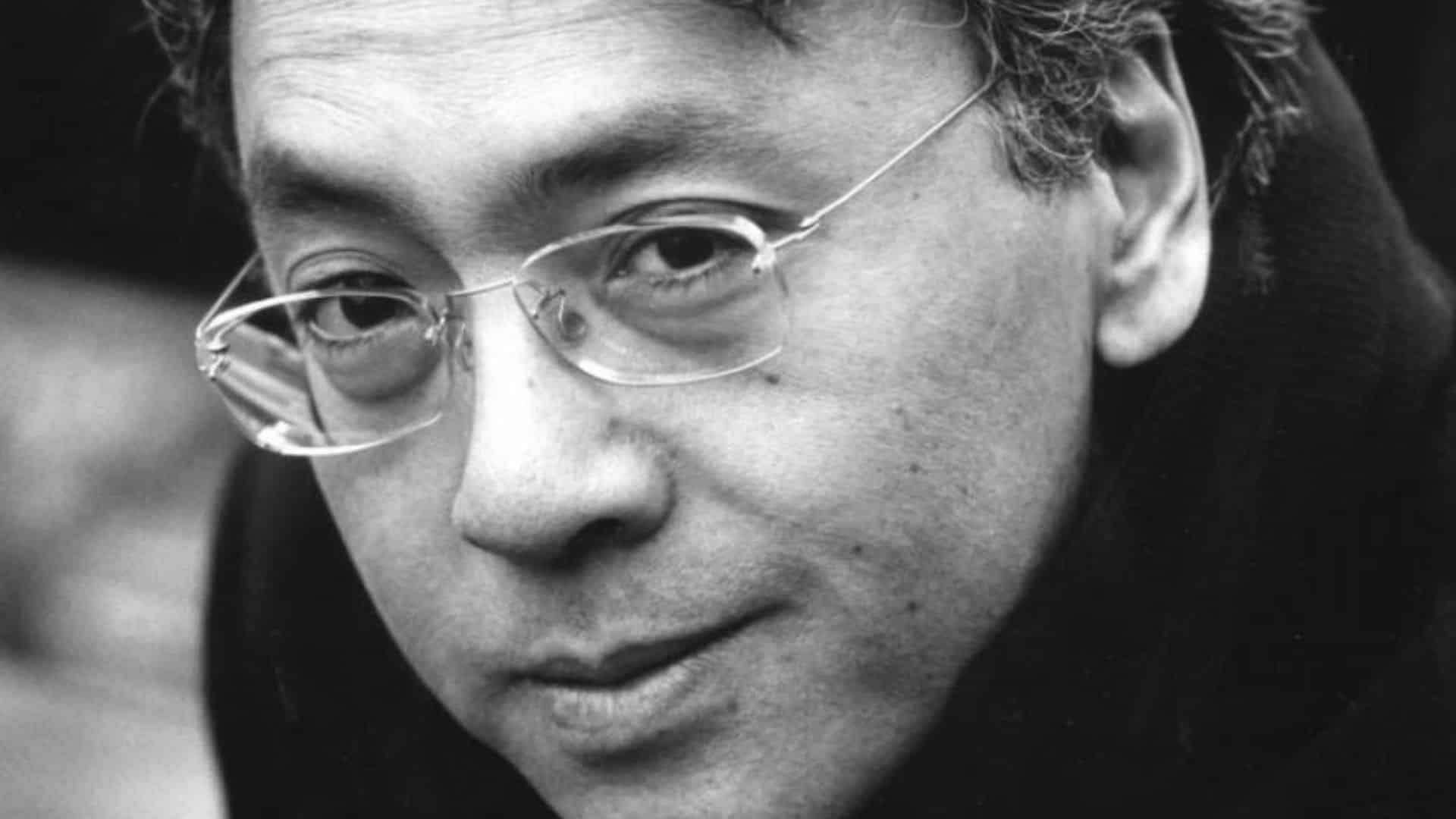
In the autumn of 1974, Ishiguro headed to the University of Kent to study English Language and Literature. By 1976, he spent six months working in community service in Scotland, an experience that deepened his sensitivity to political issues. It was also in 1976 that he wrote his first, albeit unpublished, novel.
He returned to his university studies in 1976 and graduated in 1978. During these years, he developed a fascination with writers like Charlotte Brontë, Jane Austen, Dostoevsky, Tolstoy, and Chekhov, and began writing fiction again. He remained active in various volunteer organizations, never losing his commitment to social issues. In the spring of 1979, he began a postgraduate program at the University of East Anglia, which accepted only six students that year. The British novelist Angela Carter, who served as his advisor, became a close friend and remained his mentor for the rest of her life. Throughout his career, volunteering, writing novels, and songwriting have always moved in tandem. Beyond his novels, Ishiguro has also written screenplays, earning various awards for his books and scripts alike. A list of his works in literature and cinema can be found at the end of this article.
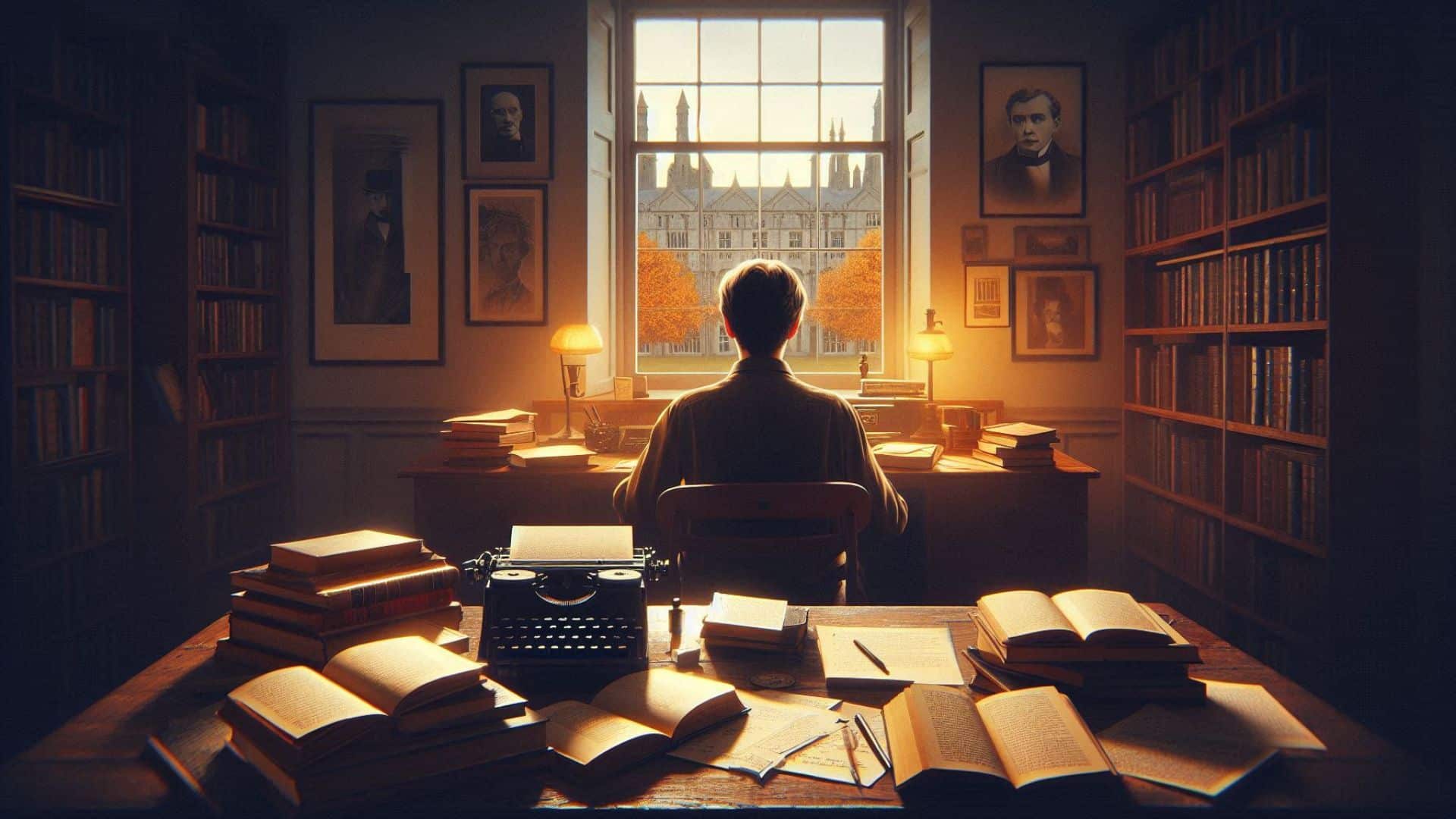
The Remains of the Day
Ishiguro, who received the Nobel Prize in Literature in 2017, published The Remains of the Day in 1989, offering us a unique reading experience through his signature style. The protagonist, Stevens, is the head butler at Darlington Hall in Oxford, England. In 1956, he sets out on a journey to visit a former colleague. During this trip, he reflects on the 1920s and 30s at Darlington Hall—recalling the state of the country, the world, and his own personal life—and interprets events through his own lens. Through these flashbacks, the author pulls us out of the novel’s “present” to share pivotal moments spanning 35 to 40 years. Stevens’s tendency to interpret world wars, shifting social orders, and the changing dynamics of estate management with complete detachment—leaving his emotions at the door—gives the reader the freedom to form their own conclusions.
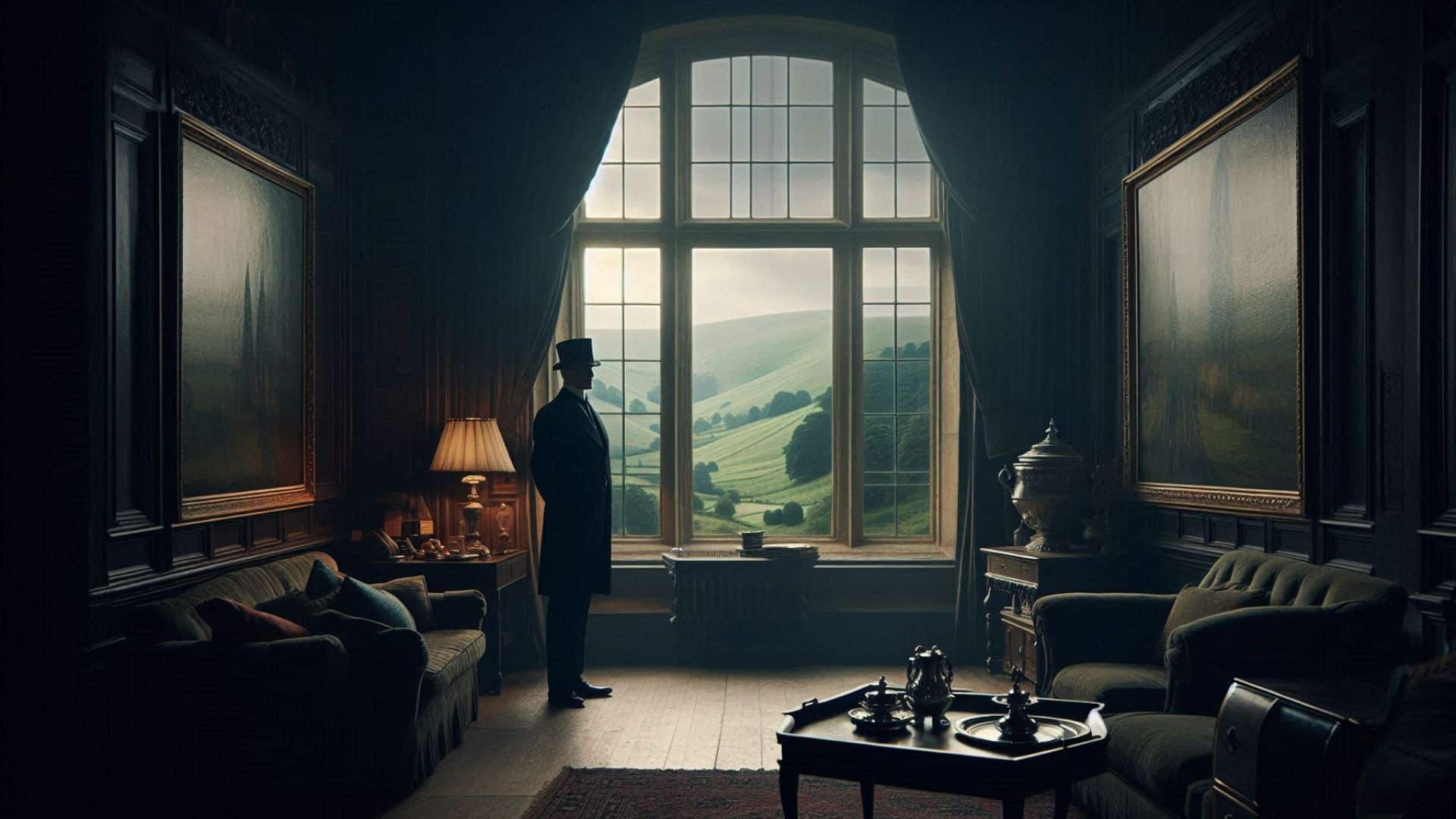
So, what is the novel really about? There is no single answer. The guests hosted at the manor following the First World War, the thoughts that preoccupied Lord Darlington, and the attitudes he adopted all shed light on the political landscape of the era. As these events unfold, the characters’ dialogue, lifestyles, and master-servant relationships reveal the texture of life in England at the time. Clues hidden between the lines—such as Stevens’s relationship with his father, his professional ethos, and his dynamic with the housekeeper, Miss Kenton—allow us to truly get to know the protagonist. The new owner of the manor, Mr. Farraday, and his interactions with Stevens, his guests, and his general outlook on life, speak volumes about how much has changed. All these events, woven into the narrative with effortless grace, provide a panoramic view of the passage of time.
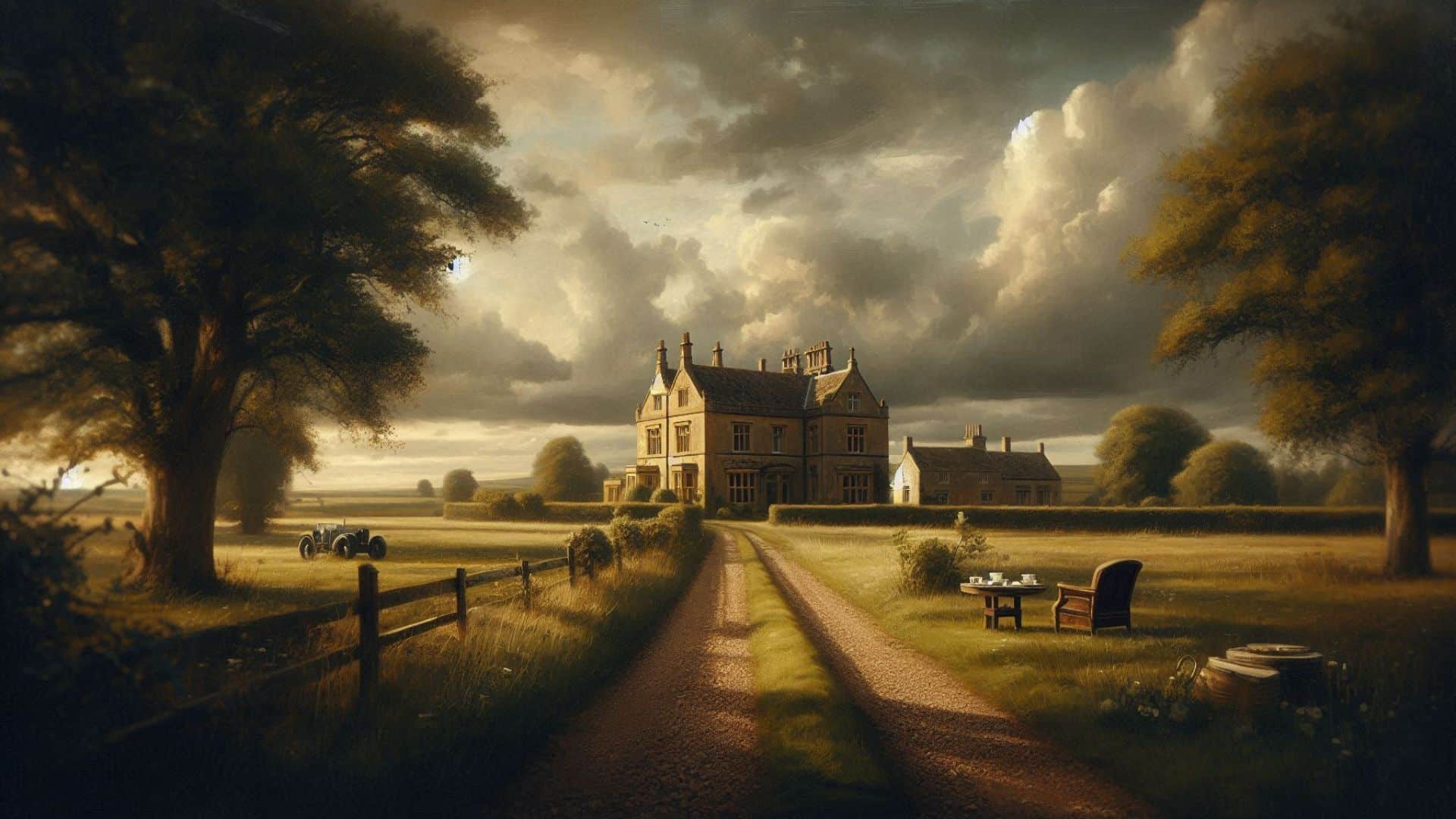
The fact that no event, conversation, opinion, emotion, or moment is emphasized might make the novel feel tranquil, or perhaps even a bit slow-paced. Yet, even through this deliberate restraint, the author’s message takes clear shape in the reader’s mind. Moreover, the reader doesn’t feel like they are hearing the story from someone else; rather, they feel as though they are standing right there, watching it all unfold, pulling them instantly into the atmosphere of the book. This atmosphere clearly captivated filmmakers as well, leading to the 1993 screen adaptation. Starring Anthony Hopkins and Emma Thompson, the film remains remarkably faithful to the flow of the book and succeeds in recreating its haunting mood for the audience. We at Doğa Filozofu highly recommend both the book and the film, and we wish you a wonderful reading experience!
Novels
- A Pale View of Hills (1982)
- An Artist of the Floating World (1986)
- The Remains of the Day (1989)
- The Unconsoled (1995)
- When We Were Orphans (2000)
- Never Let Me Go (2005)
- The Buried Giant (2015)
- Klara and the Sun (2021)
Screenplays
- A Profile of Arthur J. Mason (1984)
- The Gourmet (1987)
- The Saddest Music in the World (2003)
- The White Countess (2005)
- Living (2022)
Film Adaptations
- The Remains of the Day (Director: James Ivory, 1993)
- Never Let Me Go (Director: Mark Romanek, 2010)
References and Further Reading
Kazuo Ishiguro – Biographical – NobelPrize.org. (n.d.). NobelPrize.org. https://www.nobelprize.org/prizes/literature/2017/ishiguro/biographical/
KazuoIshiguro. (2015). The Remains of the Day.
Mander, & Gabrielle. (2025, May 23). The Remains of the Day (novel) | Kazuo Ishiguro, Summary, & Facts. Encyclopedia Britannica. https://www.britannica.com/topic/Remains-of-the-Day
The Editors of Encyclopaedia Britannica. (2025, May 16). Kazuo Ishiguro | Biography, books, & Facts. Encyclopedia Britannica. https://www.britannica.com/biography/Kazuo-Ishiguro
Originally published in Turkish at Doğa Filozofu.