


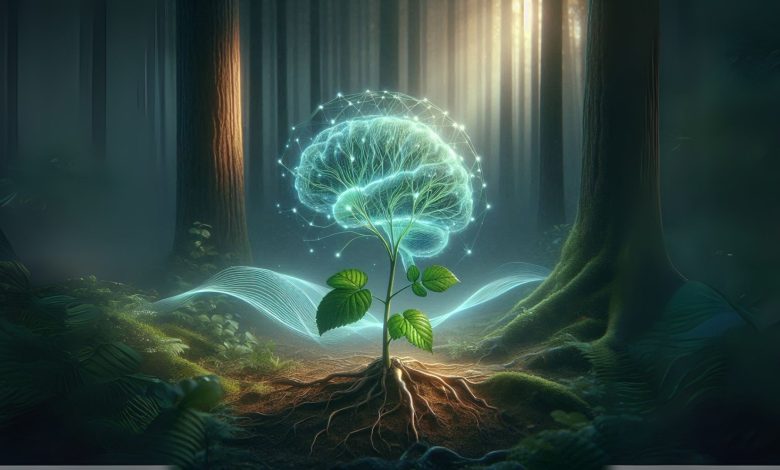
Memory is one of the most extraordinary and mysterious features of the brain.
It allows us to learn, gain experience, and use the knowledge we’ve gathered in the past to guide our behavior today. From an evolutionary perspective, memory plays a vital role: it helps living things recognize environmental threats, learn from past experiences, and ultimately boost their chances of survival.
But here’s a truly fascinating and unconventional question: Is this captivating ability exclusive to creatures with brains?
Could plants—which lack brains and even a nervous system—possess this ability too?
Can we say that plants, which appear so still and silent, are actually “remembering” their past experiences and adjusting their behavior accordingly?
In this article, we’ll explore the memory-like capabilities of plants, one of nature’s quietest members. If you’re ready, let’s embark on a journey into nature’s hidden secrets—a journey that moves the concepts of thinking and memory far beyond the realm of brain-bearing creatures.
What Exactly Is “Memory”?
Memory is the ability to perceive information from the world around us, make sense of that information, and store it in our minds. But the true power of memory lies in the ability to recall that stored information whenever needed—sometimes even years later.
The brain acts like a notebook here. We jot down what we learn and the experiences we have. Sometimes, we might leave that notebook unopened for a long time, letting it gather dust in a corner. But whenever we need it, the brain opens that notebook and presents the information to us.

For instance, most babies will instinctively reach for that eye-catching candle on a birthday cake. The moment they burn their finger, their brain makes a quick note: “This ‘candle’ thing hurt me; don’t touch it again!”
And just like that, a piece of information has been stored in memory. This experience influences how the child will handle a similar situation in the future.
But is this feature, which has contributed so much to our evolutionary survival, really exclusive to the brain?
Or could other living things—like plants—also possess some form of memory?
Do Plants Have Memory?
Let’s be honest: we tend to underestimate what plants are capable of. Especially when compared to more advanced organisms—mammals, and especially humans—having a memory feels like a trait that should be out of a plant’s reach. But we’re wrong! There is plenty of evidence showing that plants do indeed have a form of memory. They exhibit abilities to “remember” in various ways, including short-term memory, immune memory, and even intergenerational memory.
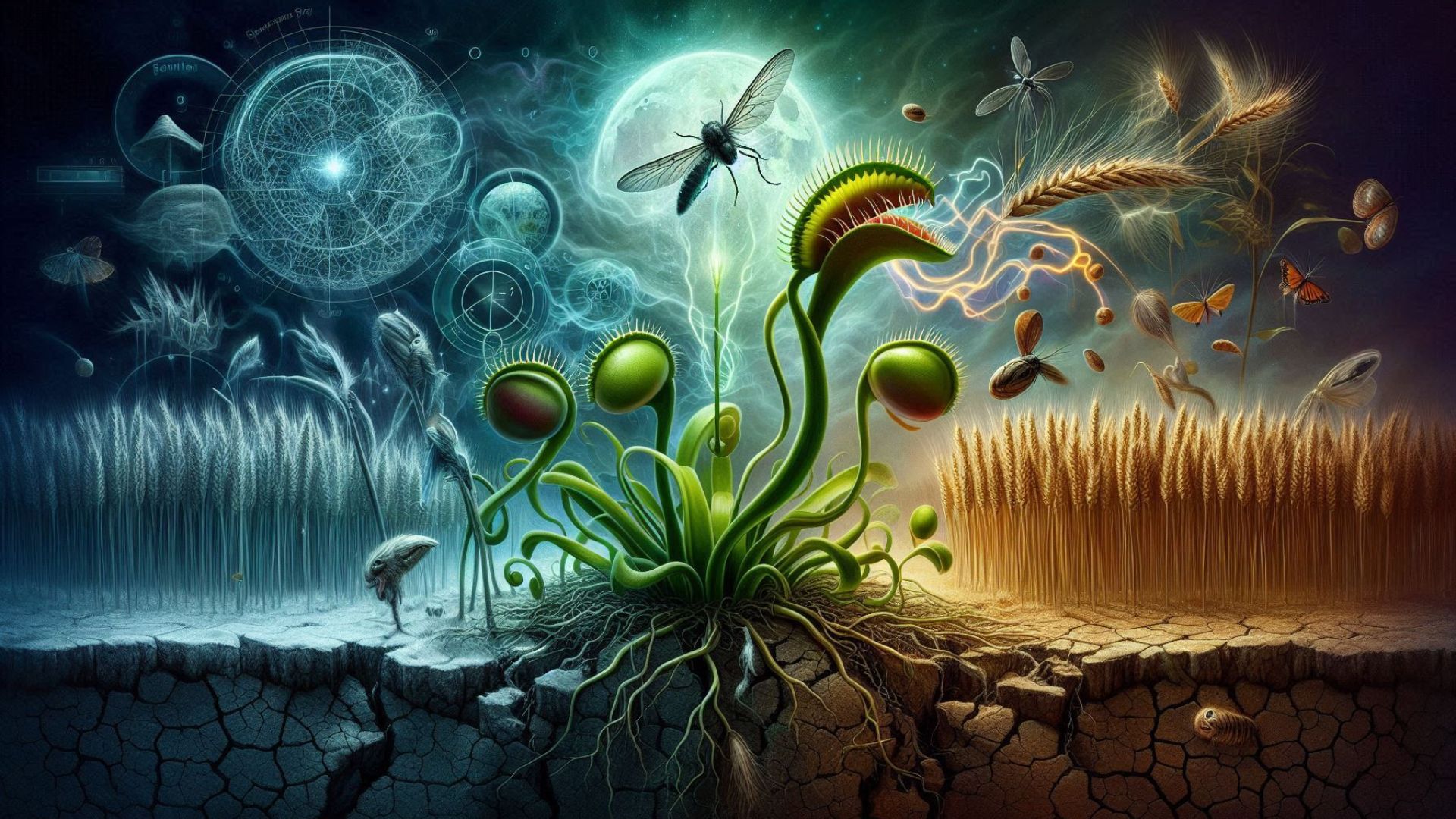
For example, the Venus flytrap “remembers” that it needs two distinct touches on the sensory hairs inside its leaves within a short timeframe to trigger them to snap shut. This memory lasts for about 20 seconds. This short-term memory, based on electrical signals, shows that information can be processed even without a nervous system.
Wheat plants have a much longer memory. They “remember” that they have gone through a winter before they bloom and produce seeds, adjusting their development accordingly.
What’s more, some plants can record the stressful conditions they’ve endured, not just for themselves, but for future generations. But how do they do it? Let’s take a look.
How Do Plants Remember?
- Habituation and Learning
Since plants don’t have brains, we wouldn’t expect them to show learned behaviors. However, there’s a point we often miss: Plants possess a sophisticated signaling network that can mimic a brain (Gagliano, 2016)! While it may not be as complex or advanced as a human brain, it still allows them to exhibit certain learning and memory behaviors.
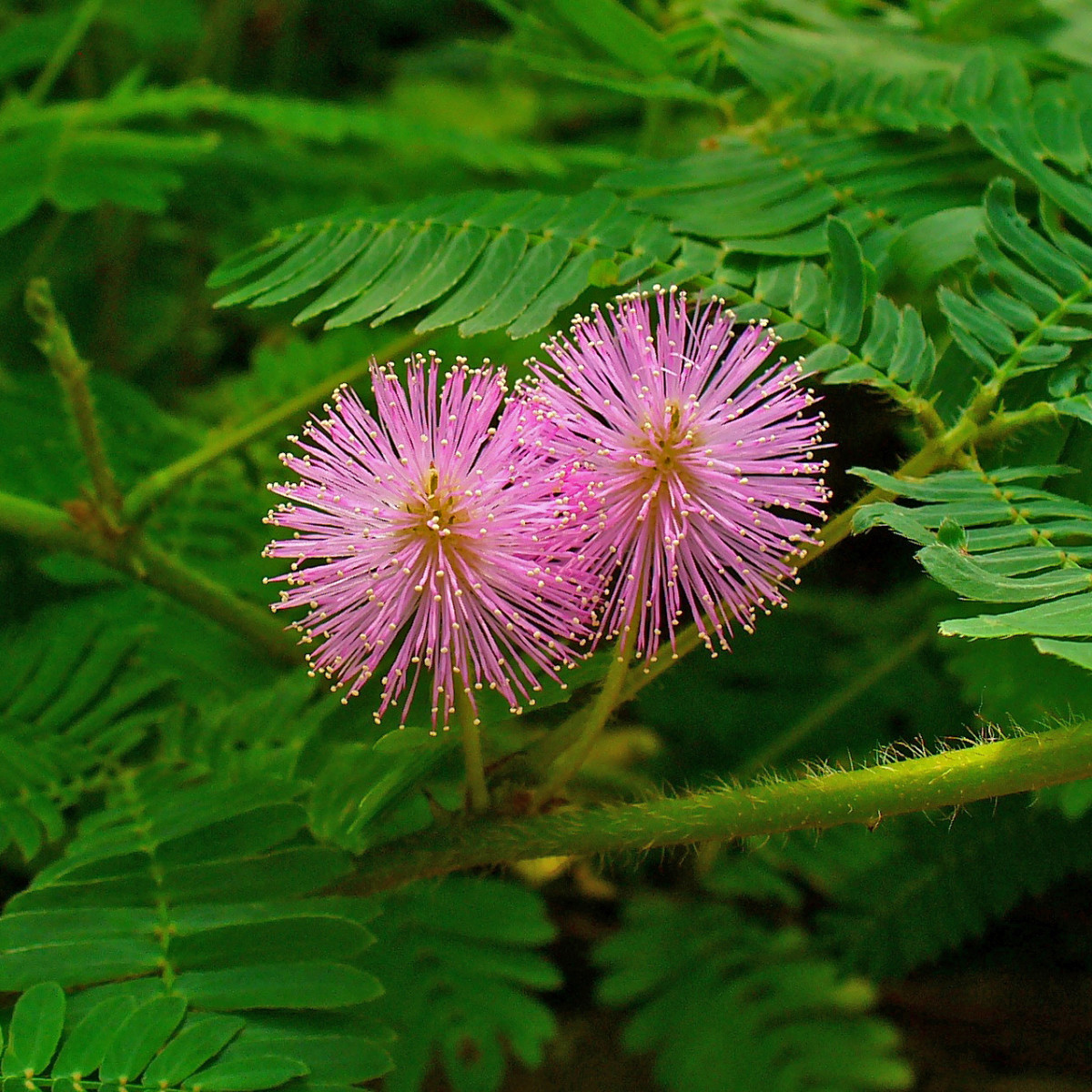
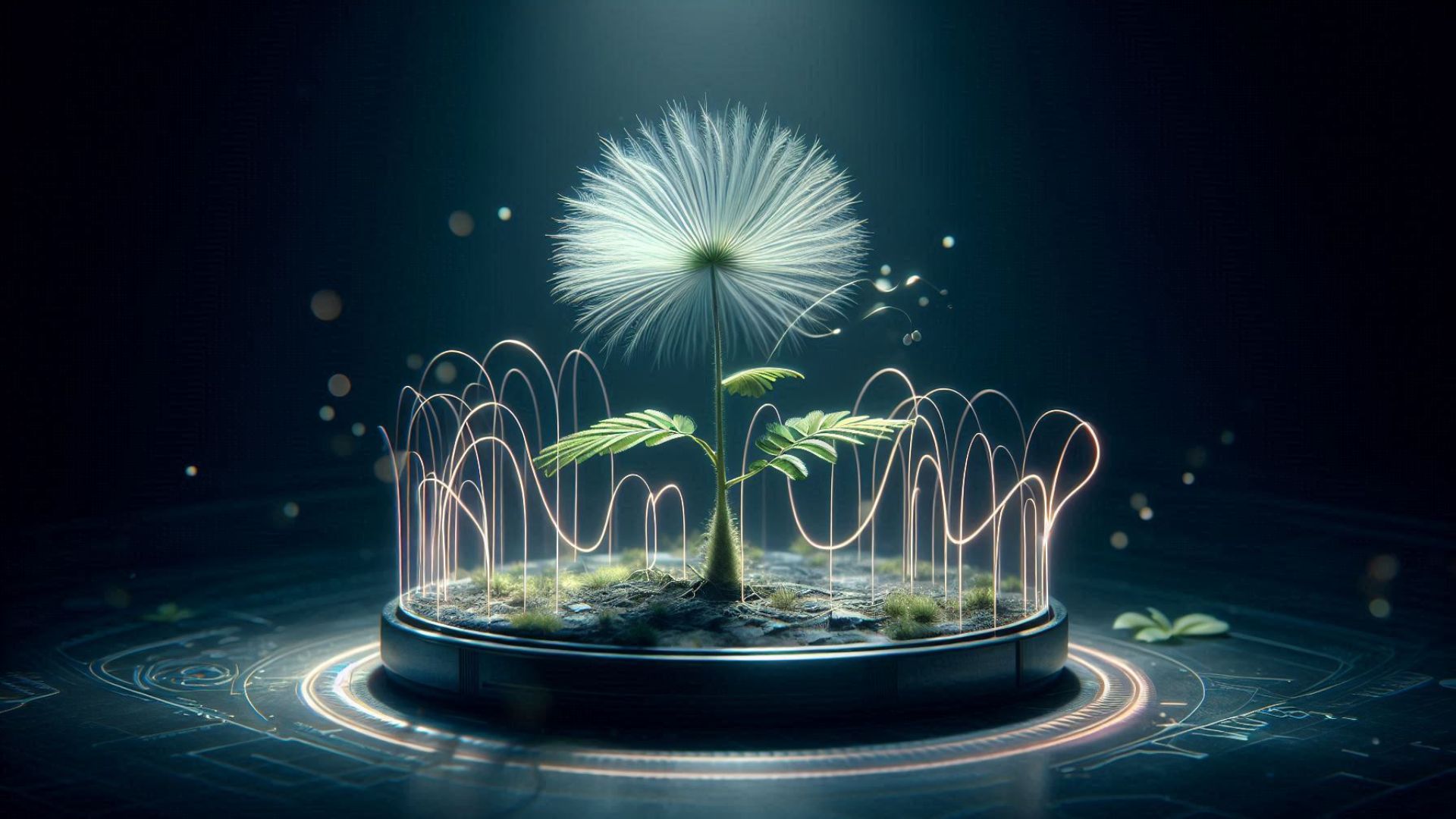
Italian ecologist Monica Gagliano conducted an experiment to prove just this. The plant she studied was Mimosa pudica, also known as the sensitive plant, which has delicate, feathery leaves that fold up when touched. Closing up is essentially a defense mechanism. In her experiment, Gagliano repeatedly exposed this delicate plant to harmless stimuli, and eventually, the shy mimosa stopped closing! By maintaining this behavior for days, she proved that plants possess a certain level of “learning” and “memory.”
- Epigenetic Memory
Epigenetics is the mechanism that regulates gene activation based on environmental conditions without altering the DNA sequence itself. For example, if a drought hits the area where a plant lives, the genes responsible for water retention are activated. This allows the plant to adapt to its environment and survive.
So, what does this have to do with memory?
Essentially, plants can “record” their responses to these types of stressful situations using epigenetic markers. After experiencing an event like a drought, the experience is marked with chemical tags that dictate how genes should function. The next time a drought occurs, the plant can use this “molecular memory” to respond faster and more effectively. This is a process akin to learning.
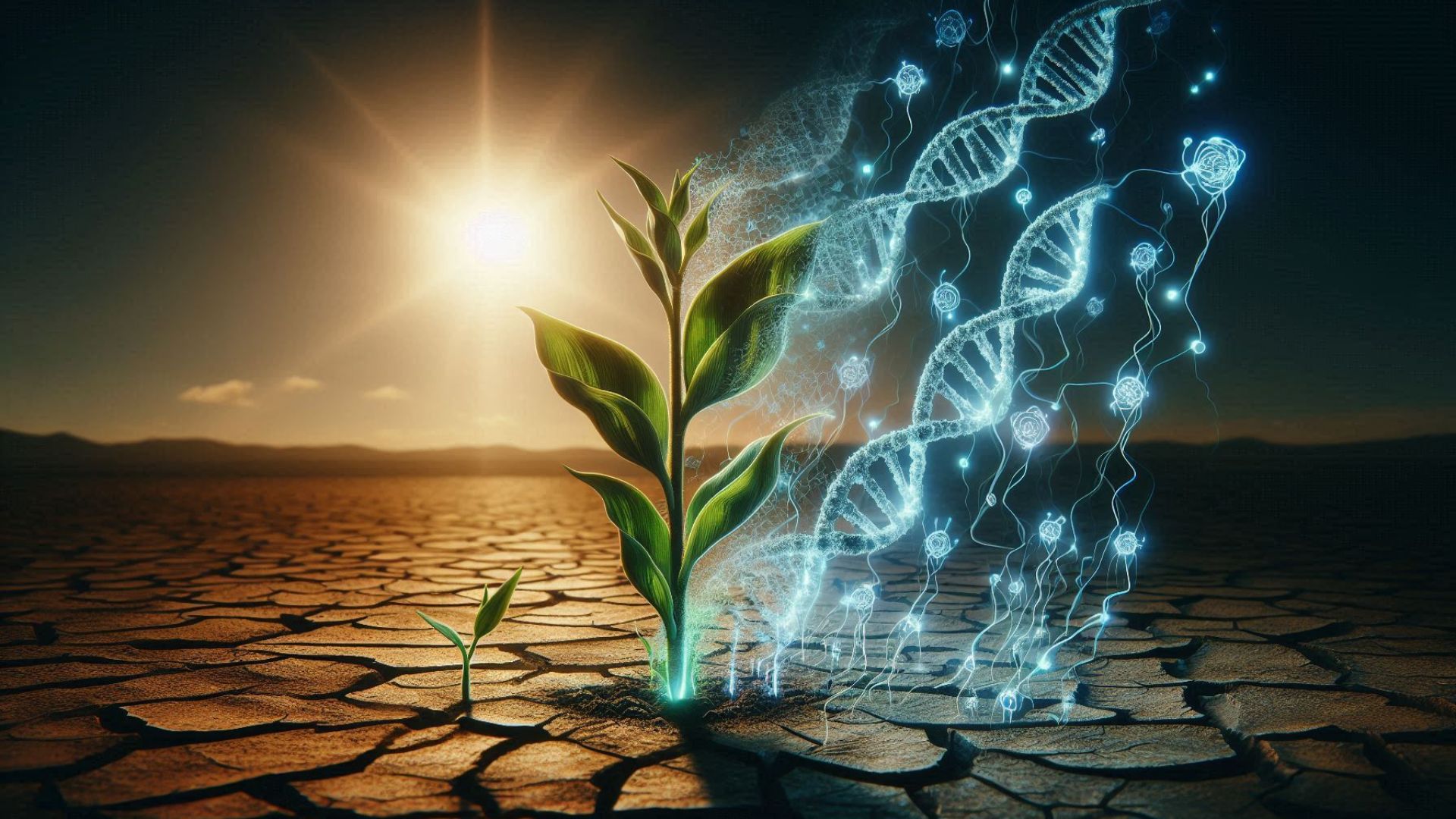
These types of epigenetic markers can sometimes persist for a long time, functioning much like a plant’s “memory.” In some cases, this epigenetic information can even be passed on to offspring, meaning the experience of stress can be transmitted from generation to generation.
Ultimately, plants are much more than just stationary, unfeeling life forms. Thanks to the complex chemical and electrical communication they engage in, they can gather information from their surroundings, process it, learn from their experiences, and even form “memories.” Even without brains, these astonishing molecular and metabolic memory mechanisms are a cornerstone of their survival strategies.
These discoveries not only change the way we view nature and plants, but they also force us to rethink the complexity of life and what we mean by intelligence. Perhaps plants, with their own unique form of consciousness and learning ability, are among nature’s quietest but most intelligent inhabitants.
References and Further Reading
Animal Behavior Channel. (2023, May 12). How plants “learn” from their environment. YouTube. https://www.youtube.com/watch?v=mLGGZwSYOP4
Botanyone. (2023, July 3). How do plants remember experiences? Botany One. https://botany.one/2023/07/how-do-plants-remember-experiences/
Cook, G. (2024, February 20). Do plants think? Scientific American. https://www.scientificamerican.com/article/do-plants-think-daniel-chamovitz/
Gill, V. (2010, July 14). Plants “can think and remember.” BBC News. https://www.bbc.com/news/10598926
Thompson, H. (2023, September 27). Can a plant remember? This one seems to—here’s the evidence.NationalGeographic. https://www.nationalgeographic.com/science/article/can-a-plant-remember-this-one-seems-to-heres-the-evidence
Originally published in Turkish at Doğa Filozofu.