


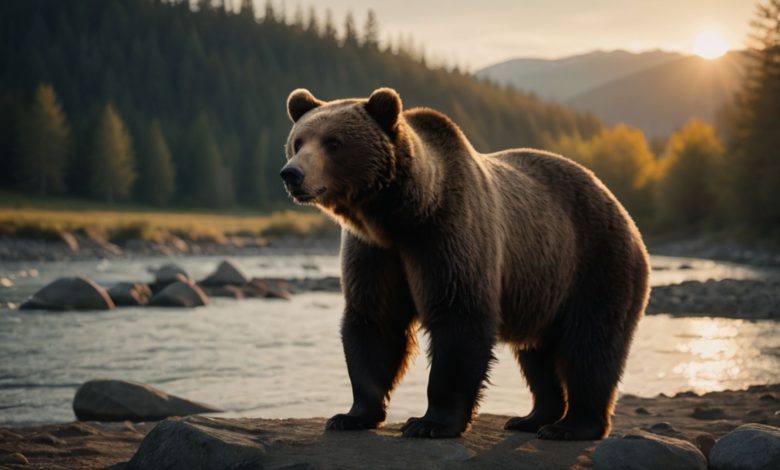
Imagine an animal that’s 2.5 meters tall, weighs 500 kilograms, and comes equipped with powerful claws and razor-sharp teeth. Sounds like a nightmare straight out of mythology, right? But these features actually belong to a creature that can be as cuddly as a teddy bear when it wants to be: the bear. Bears are some of the most impressive predators on the planet. Today, we’re going to get up close and personal with these rugged-yet-charming friends. And, as always, we’ll start by looking at their evolutionary journey. Let’s dive in!
The Rise of the Bears
Bears (Ursidae) are large, powerful animals belonging to the order Carnivora. Their evolutionary history stretches back about 38 million years to the Eocene epoch. Throughout this long timeline, they’ve undergone various adaptations and environmental shifts to arrive at the form we recognize today. Evolution was, of course, the driving force—a process most clearly visible in their earliest ancestors.
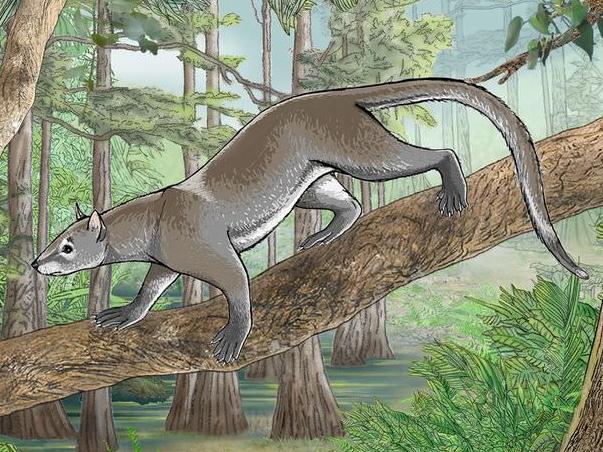
The ancestors of bears were small, carnivorous mammals known as miacids (Miacidae). Emerging during the Paleocene epoch about 60 million years ago, miacids eventually branched off into different predatory lineages during the Eocene. These small, tree-dwelling critters are the common ancestors of today’s cats, dogs, and bears. Furthermore, the creature widely accepted as the direct ancestor of bears, Ursavus, lived during the Oligocene and Miocene epochs roughly 20–30 million years ago. This species had a dog-like build and played a pivotal role in the evolution of modern bears. Ursavus roamed across Europe and Asia, gradually evolving into larger, more bear-like forms over time.
Despite all these visual changes, bears haven’t undergone massive shifts in their fundamental way of life. They simply tweaked a few traits over time to adapt to their surroundings, which was enough to ensure their survival.
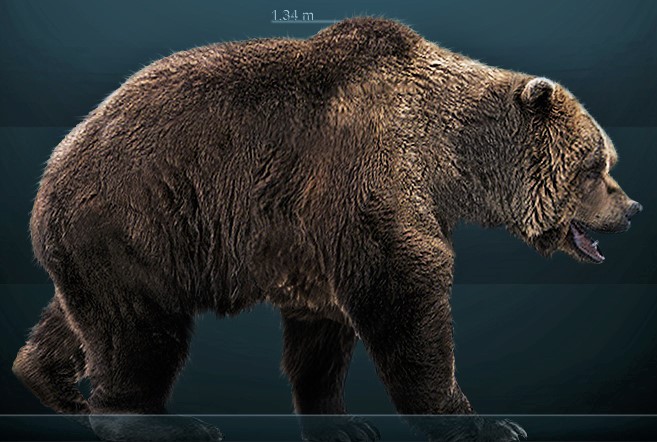
The first “true” bears—the ones we’d look at today and immediately recognize as bears—appeared roughly 5–10 million years ago during the Miocene.
Bear Species
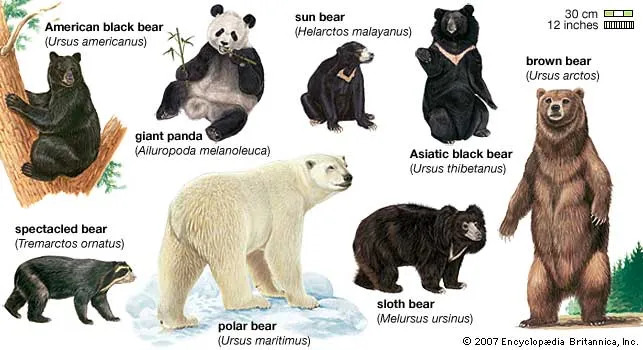
If you’re thinking, “Wait, aren’t all bears the same? I’ve seen black bears and polar bears, and some say pandas are bears too—are they really all part of the same family?”—you’re absolutely right to wonder. There are many species of bears, most notably:
- Polar Bear
- Brown Bear
- American Black Bear
- Panda
While the American Black Bear is smaller compared to the others, the polar bear and brown bear rank among the largest. Even though their size, color, and subcutaneous fat levels vary, their general lifestyles are quite similar. The panda is the outlier that has diverged almost completely from the “typical” bear. Other bear-like animals, such as the red panda or the koala, are different altogether, but pandas—despite looking like bears—are so distinct in temperament and lifestyle that we’ve planned a separate article just for them. In this piece, we’re focusing strictly on our rugged-but-sweet bear friends.
Habitats and Quick Facts
As you might have guessed from the names, bears are spread across a wide range of environments. Let’s take a quick look at where these friends live and learn a bit more about them:
- Polar Bear (Ursus maritimus)
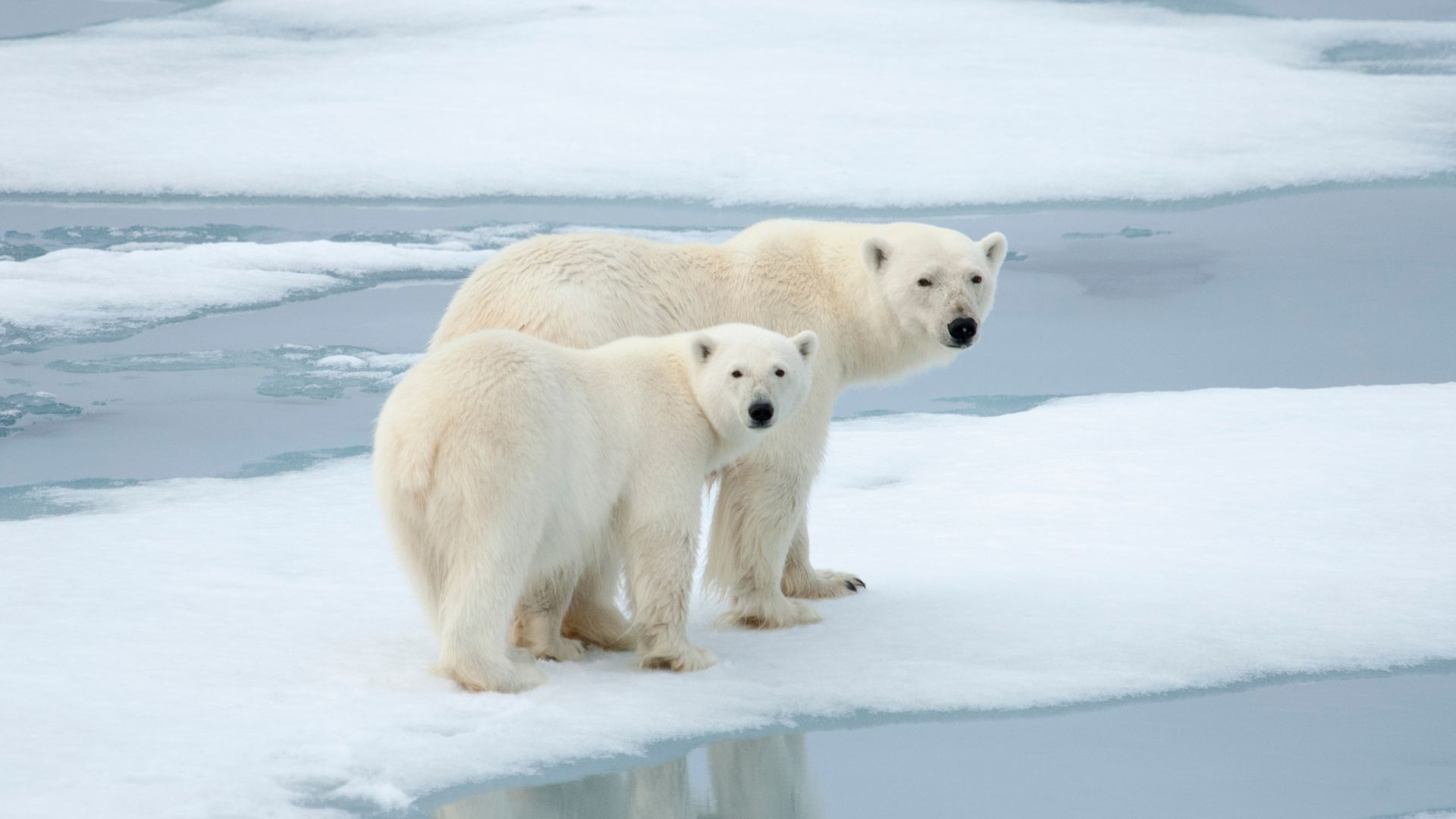
Polar bears live in the Arctic, hanging out on the sea ice around the North Pole and hunting seals. They are capable of swimming long distances and can even hunt underwater. Thanks to their thick fur and insulating layers of fat, they are perfectly adapted to the frigid polar climate. You could call them the tanks of the animal kingdom. Sadly, they are also the species currently most affected by melting glaciers.
- Brown Bear (Ursus arctos)
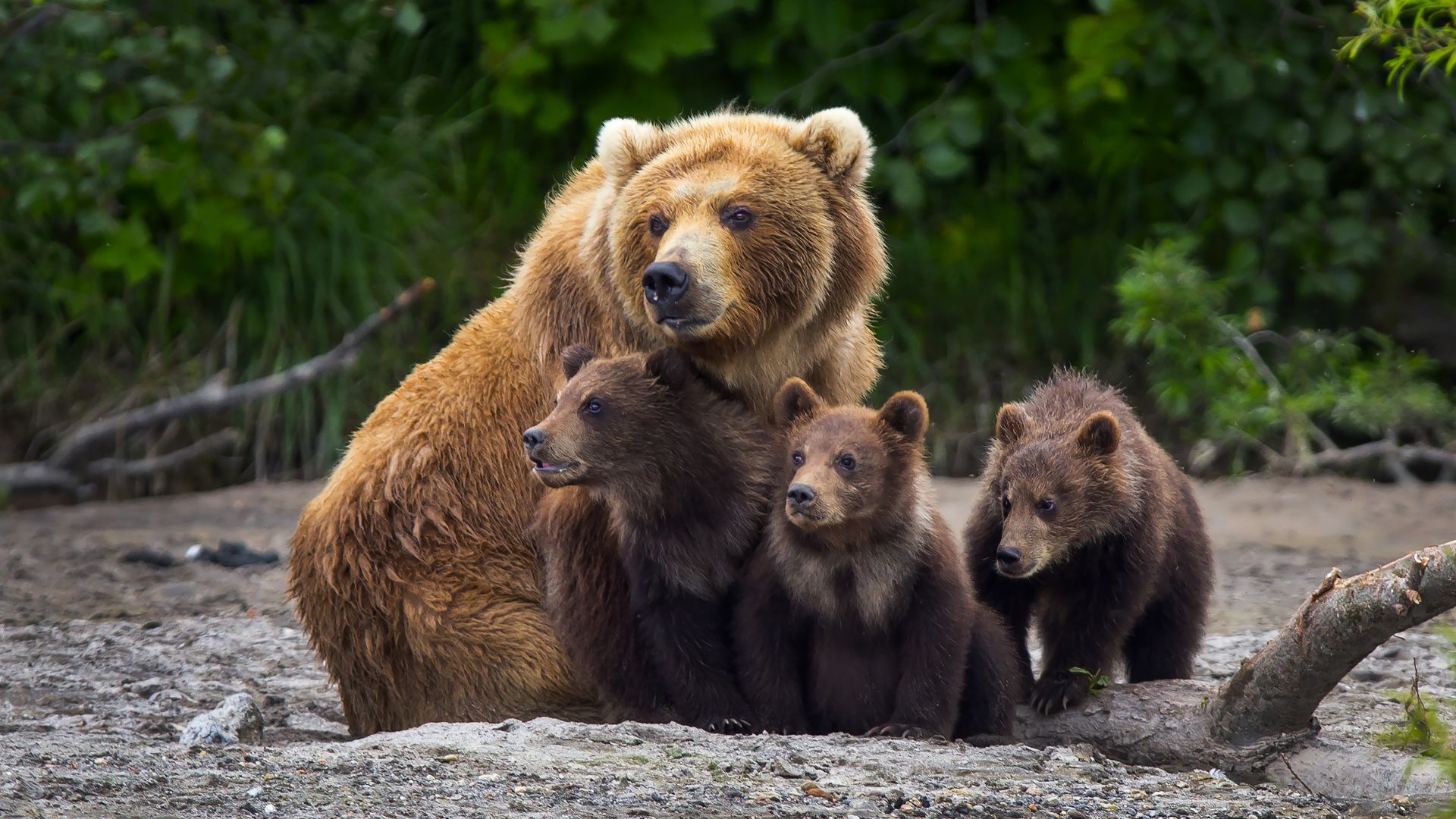
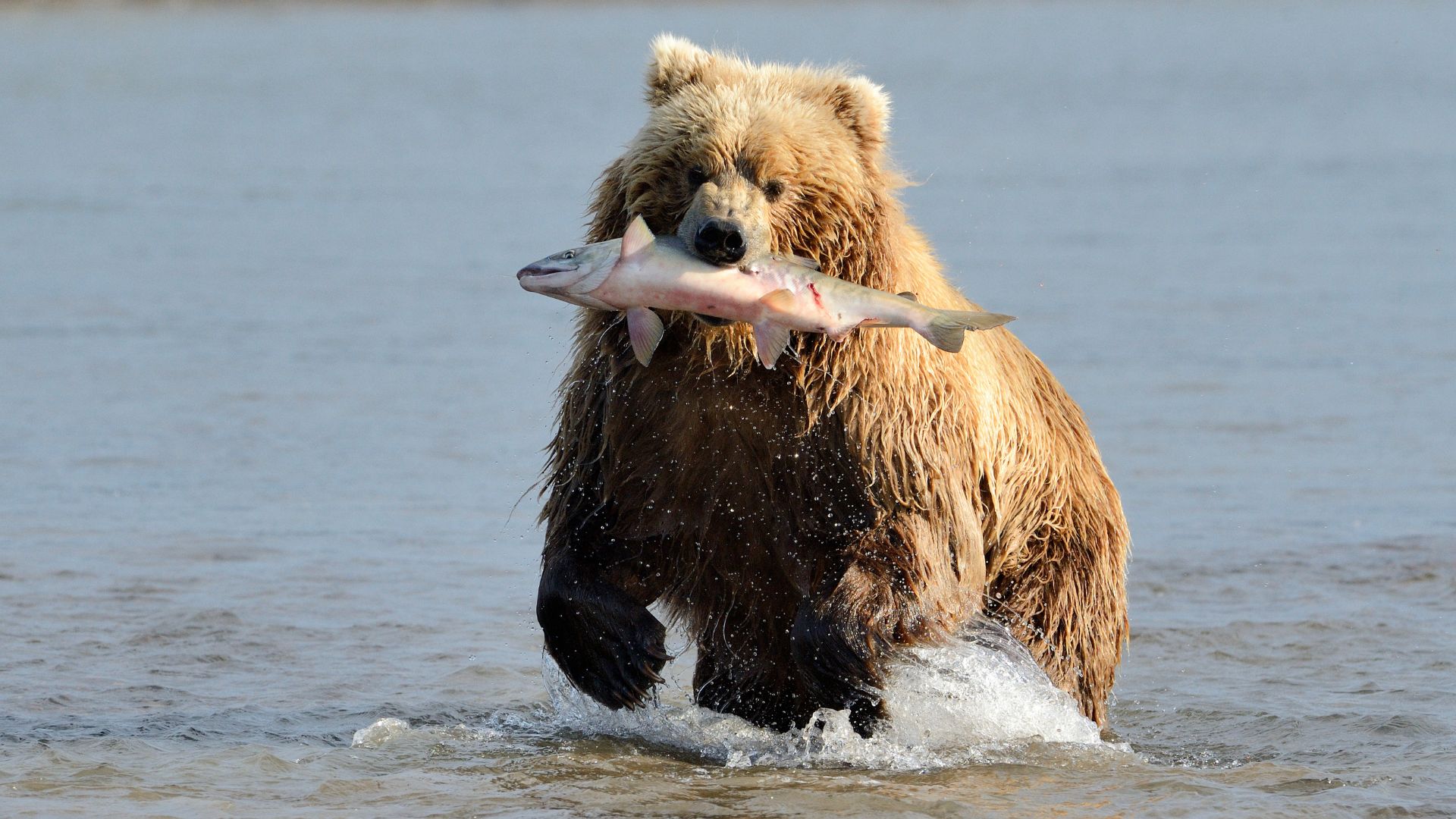
Brown bears roam the forests, mountains, and tundras of North America, Europe, and Asia. As you can see, they are highly adaptable, though they prefer mountain ranges and forage in forests and open areas. During the winter months, they retreat to caves or dens to hibernate. When you close your eyes and picture a “bear,” this is usually the form that comes to mind.
- American Black Bear (Ursus americanus)
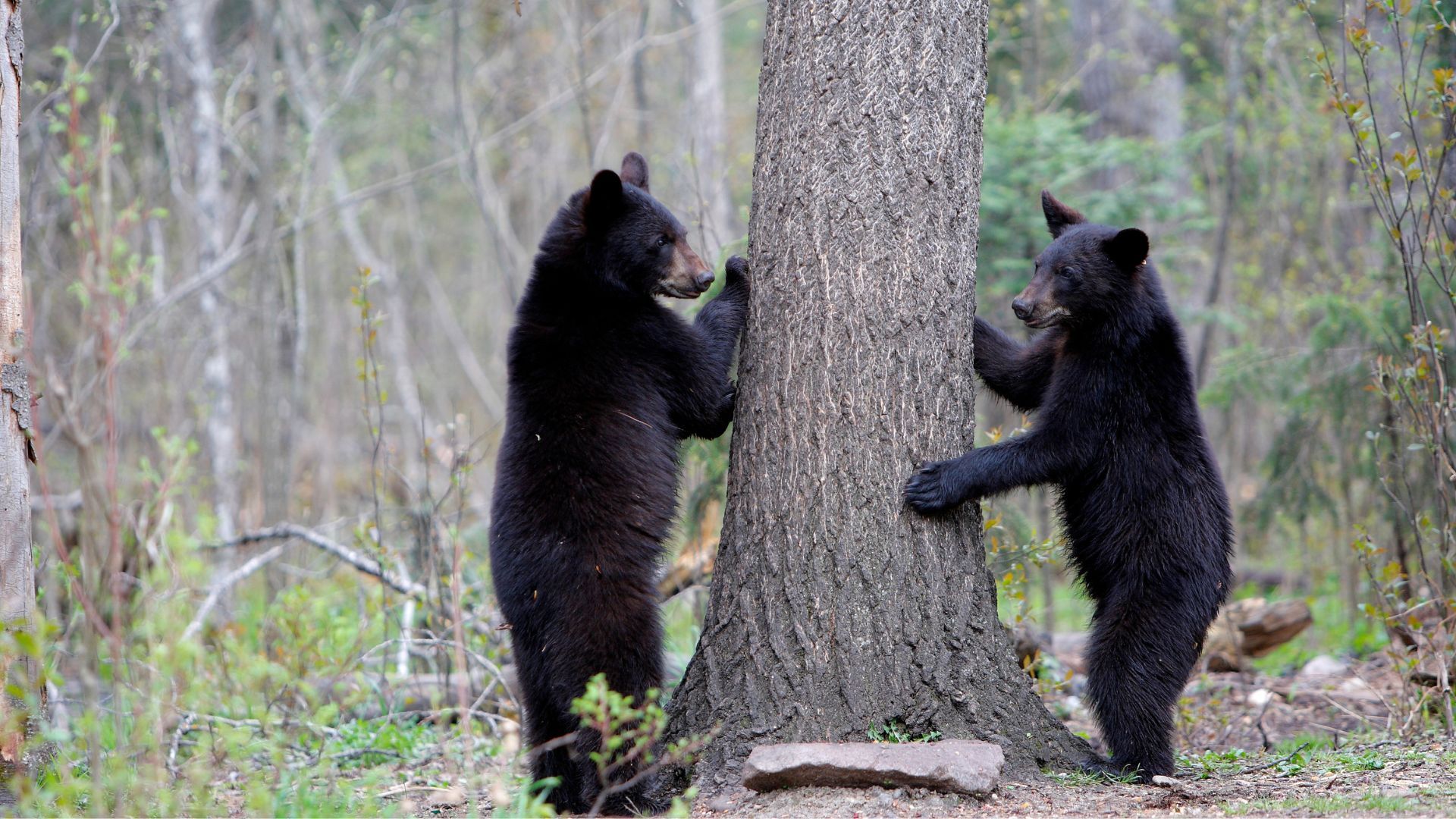
American black bears live in the forested regions of North America. They prefer dense woods but can also be found in swamps and mountainous areas. They often forage for food in trees and use hollow logs or dug-out dens for hibernation. They are generally smaller than other bear species.
- Asian Black Bear (Ursus thibetanus)
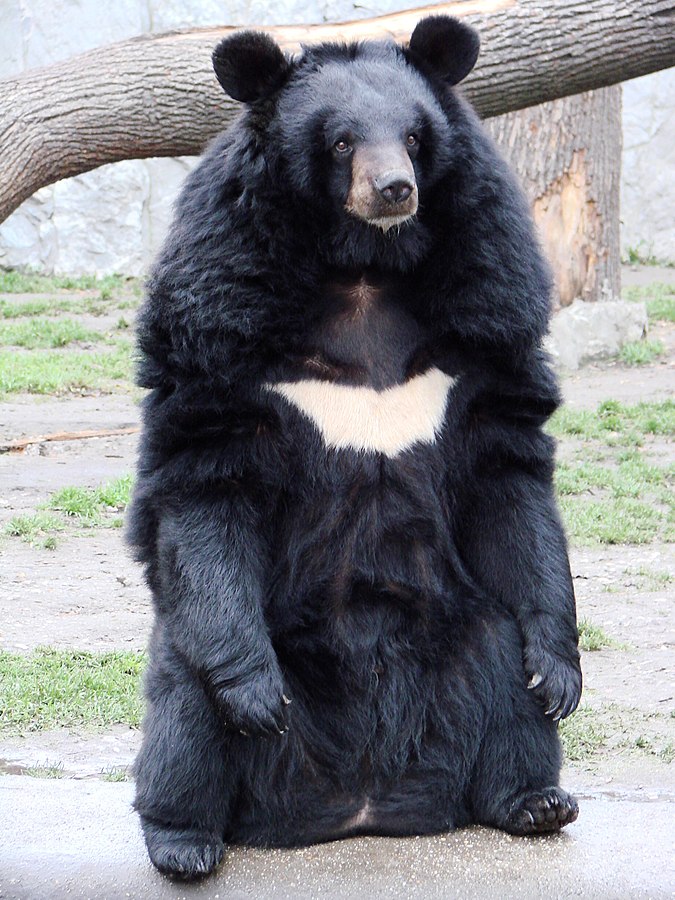
Asian black bears live in the forests and mountains of Southern Asia, preferring broad-leaved and mixed forests. They can be found in mountainous regions, temperate forests, and even tropical rainforests. This species is known for its tree-climbing prowess, and they do not hibernate during the winter.
5. Sun Bear (Helarctos malayanus)
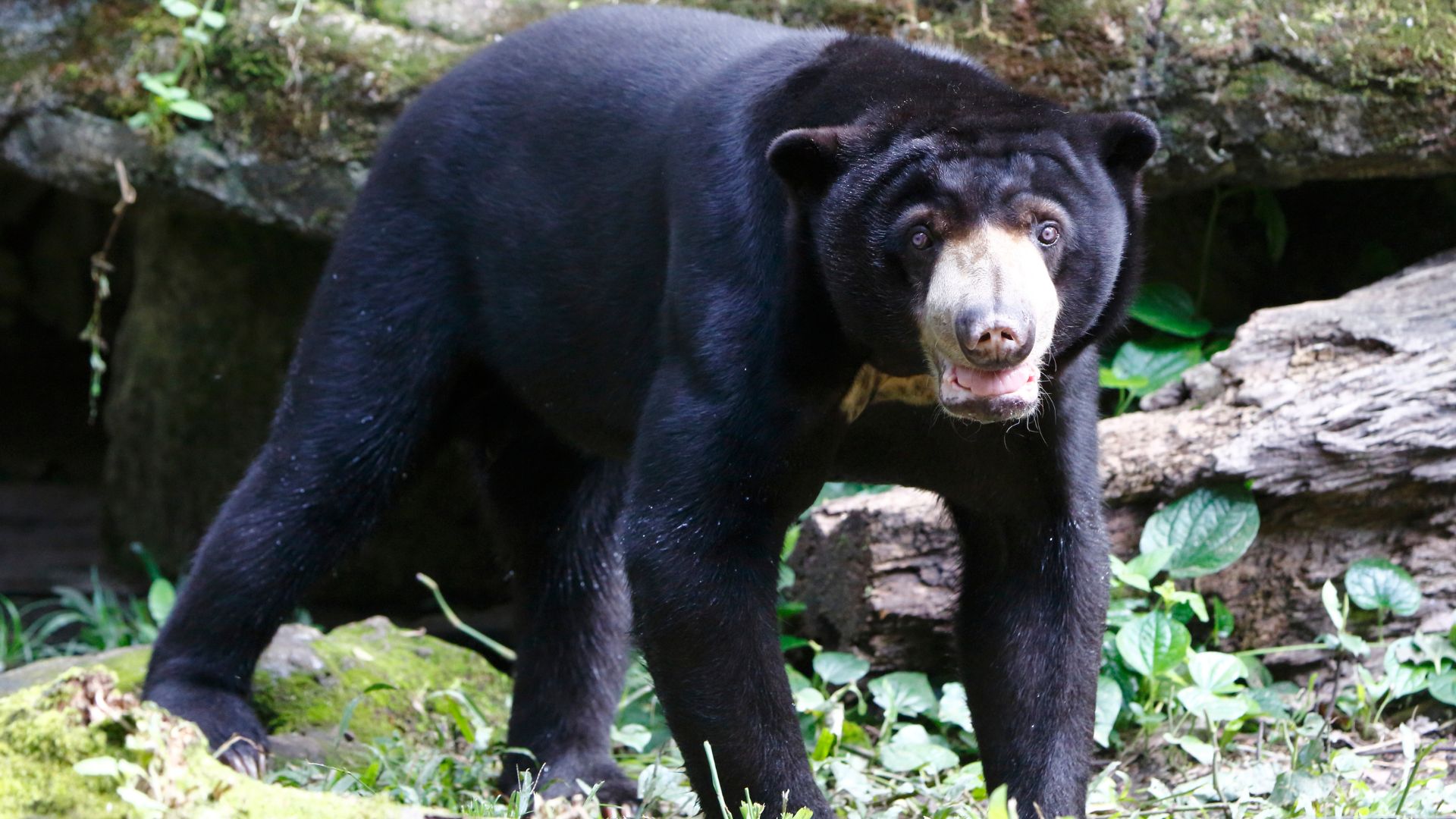
Sun bears call the tropical rainforests of Southeast Asia home, preferring low-altitude forests with dense vegetation. They spend most of their time in trees, snacking on fruits, insects, and small vertebrates. Sun bears remain active all year round and do not hibernate.
We could easily list more species, but excluding the panda, these five cover the vast majority of the bear world.
Conflict Among Bears
Like any animal, bears face conflict. Whether it’s hunting smaller, vulnerable animals, fighting over a kill, or protecting their cubs, bears occasionally find themselves in scuffles.
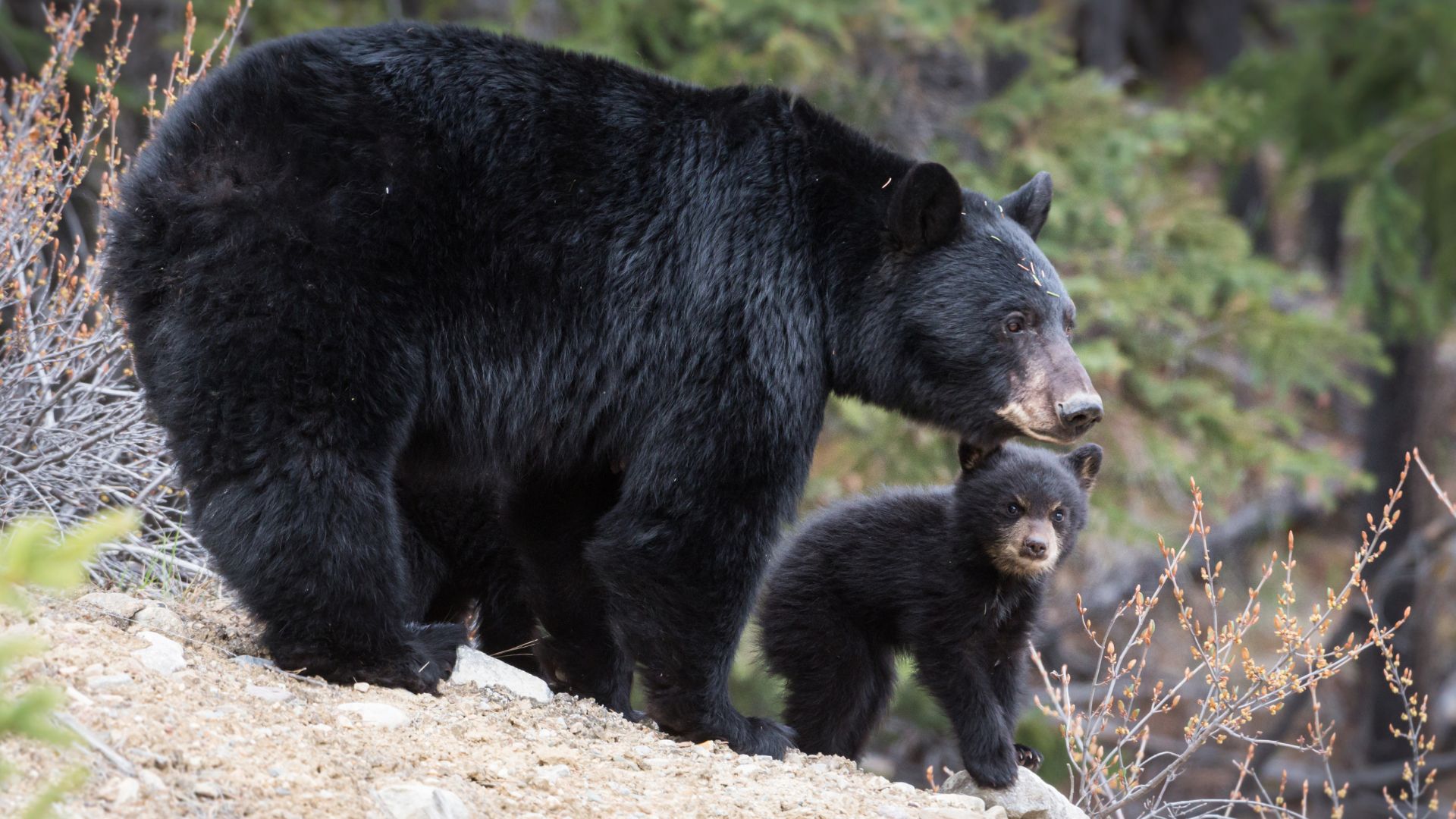
Because they are omnivores, hunting isn’t strictly necessary for survival, but meat is definitely a tempting treat. So, who do they fight, and why?
Other Predators: Wolves and bears often compete for resources, especially when hunting large prey. For instance, brown bears and wolves may clash over territory and access to deer or other large mammals. They also occasionally run into trouble with other forest-dwelling predators like leopards.
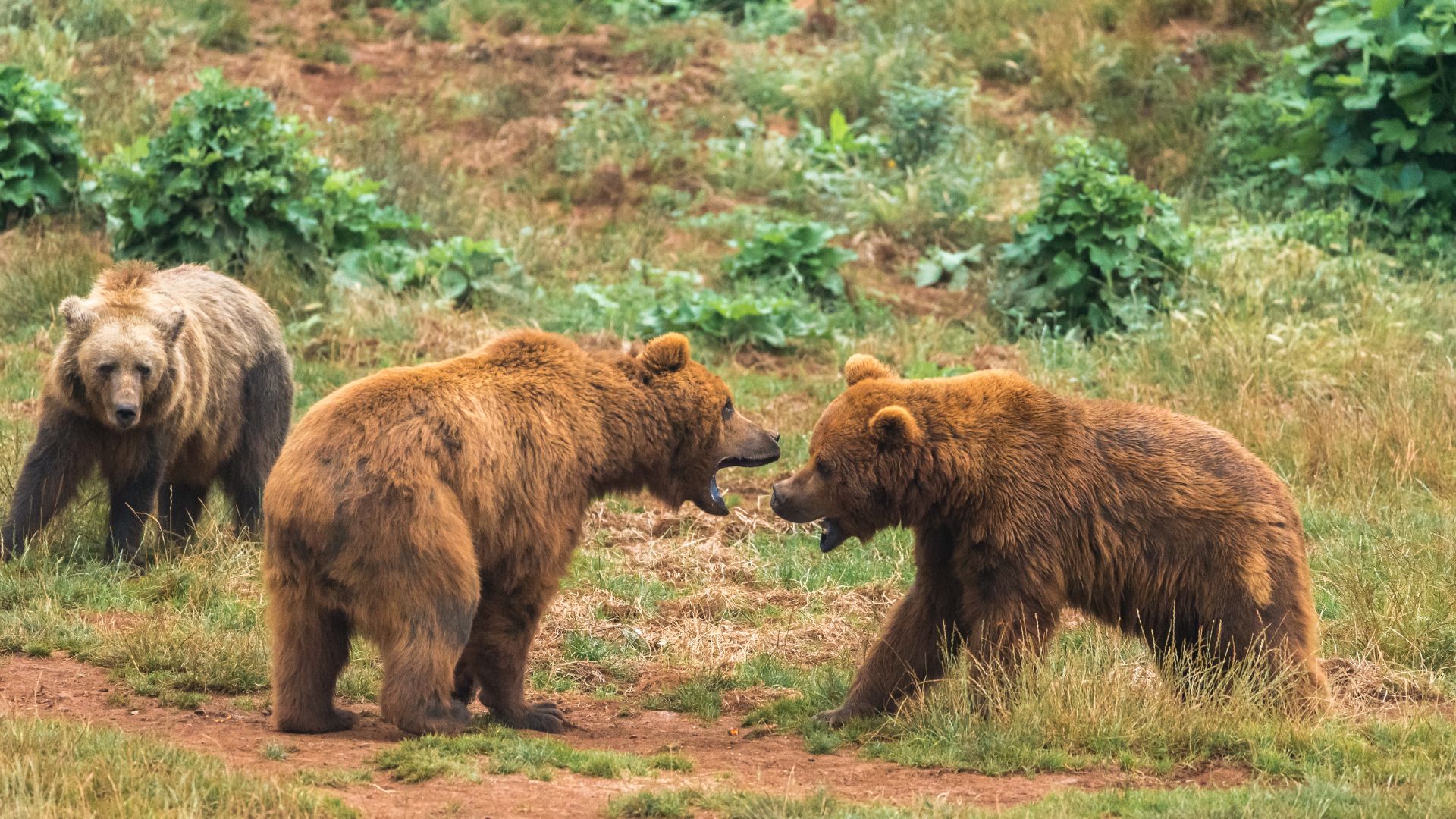
Other Bears: Generally, wolves and other predators prefer to steer clear of bears. With their incredibly thick skin, bears aren’t easy to injure. The animal most likely to cause real damage to a bear is another bear. These conflicts arise for various reasons. For example, males may compete for females, leading to aggressive confrontations. Disputes over food sources are another common trigger.
Humans: As is the case with many animals, the greatest threat to bears is humans. As bear habitats shrink, these animals are forced into closer contact with human settlements, often leading to lethal encounters where humans use weapons to gain the upper hand.
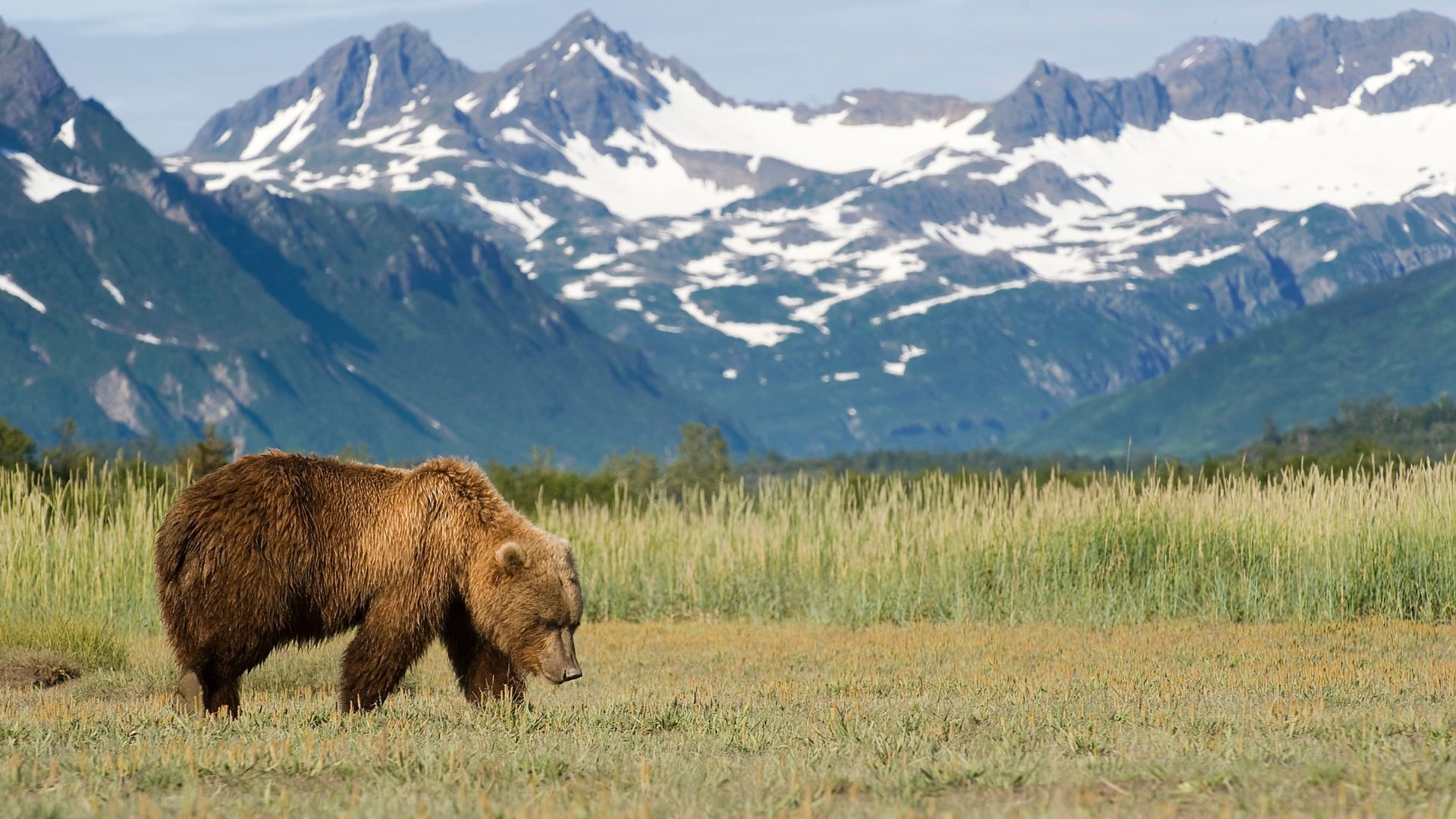
Ultimately, bears are essential species found in almost every corner of the globe, playing a vital role in their ecosystems. Thanks to their incredible adaptability, most bear populations aren’t currently at risk of extinction, though species like the polar bear face grave threats as their habitats disappear. We can only hope these issues find a resolution in the coming years.
References and Further Reading
Bear Facts, types, lifespan, classification, habitat, pictures. (2020, January 9). Animal Spot. https://www.animalspot.net/bear
Bears 101. (n.d.). [Video]. Animals. https://www.nationalgeographic.com/animals/mammals/facts/bears-grizzly-polar-panda
Stains, H. J., & Lariviere, S. (2024, September 15). Bear | Types, Habitat, & Facts. Encyclopedia Britannica. https://www.britannica.com/animal/bear
Originally published in Turkish at Doğa Filozofu.