
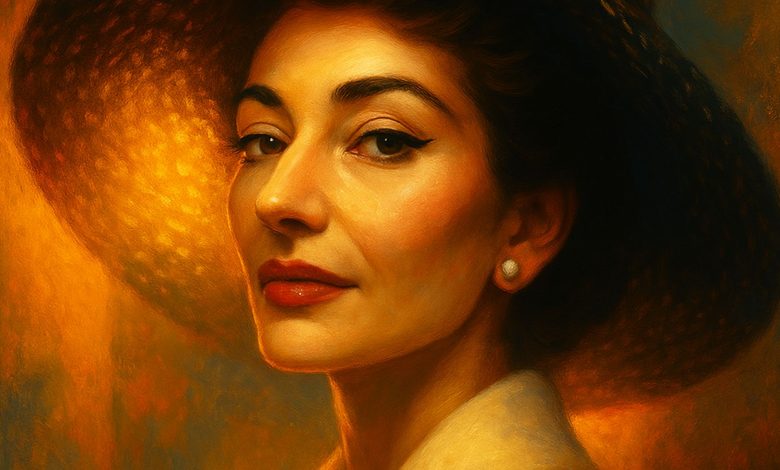
If you’ve been to the cinema in the first quarter of 2025, you’ve likely seen one film everywhere: Maria.
But what is this film actually about? Maria, of course… Maria Callas. But who exactly was Maria Callas?
Maria is one of the greatest names in the history of opera. She is remembered not just for her voice, but for her extraordinary stage charisma, her sensational private life, and her tragic death. She shattered the traditional perception of the soprano, effortlessly commanding both dramatic and lyrical roles. Of course, what made Callas truly special wasn’t just her technical perfection, but the profound emotional depth she brought to the stage. In every performance, she seemed to feel the music and the story to her very core, drawing her audience into a mesmerizing artistic journey. Yet, behind this spectacular career lay immense sacrifices, painful relationships, and an increasingly lonely life. As Maria Callas climbed the ladder of fame, she was forced to grapple with the turmoil of her personal life. On one side, legendary performances etched into opera history; on the other, endless scandals, love affairs, and a solitary end… Her story was not just that of an artist, but of a life where passion and tragedy were inextricably intertwined. So, let’s dive deep into her life!
The Early Years (1923-1945)
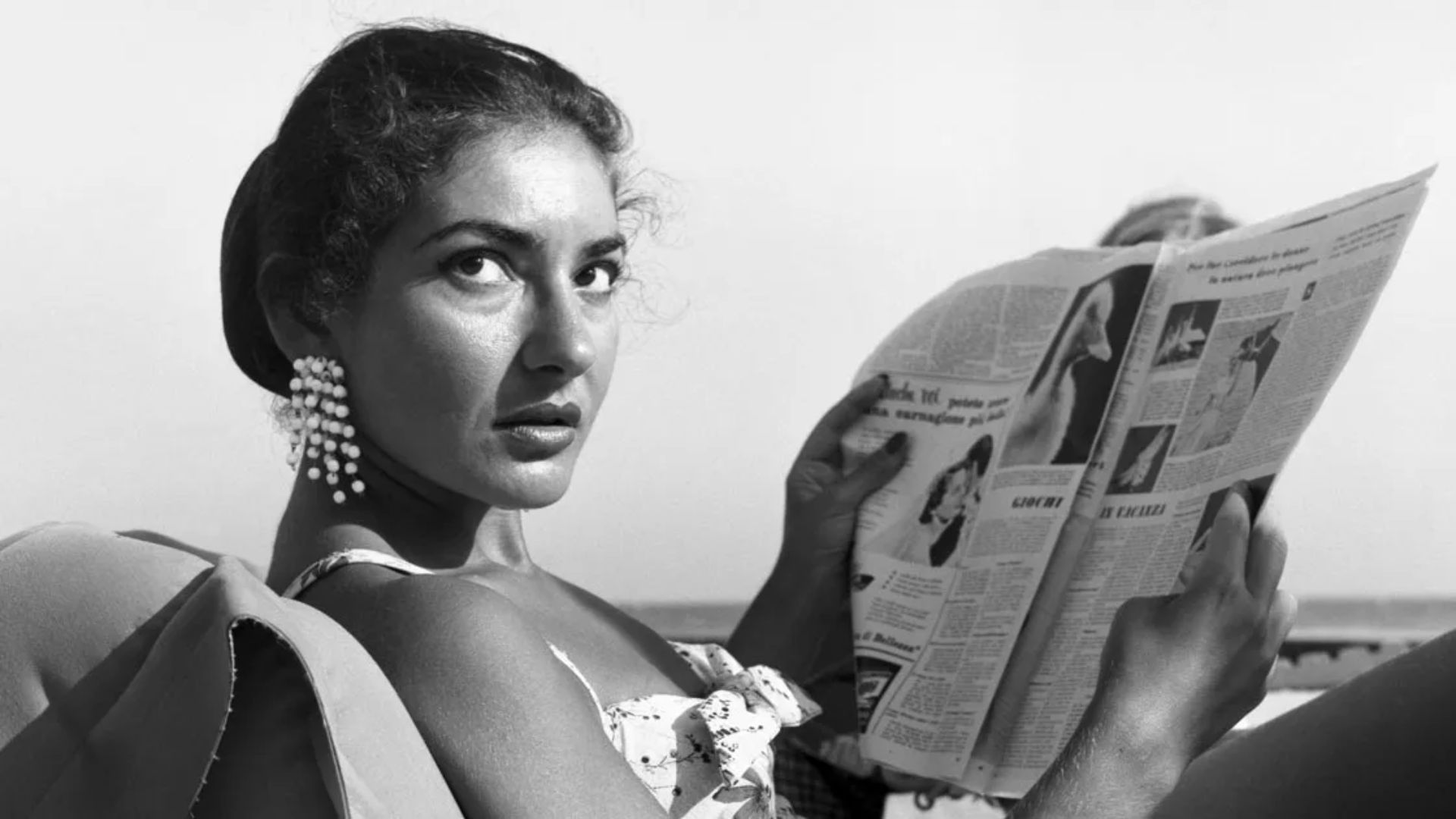
Callas was born on December 2, 1923, in New York, the daughter of a Greek family. Her original name was Maria Anna Cecilia Sofia Kalogeropoulos—a mouthful, to say the least. Fortunately, she preferred the name Maria. Also fortunate was the fact that her family had shortened their surname to “Callas.” Due to the family’s economic struggles in New York, they had to return to Greece in 1937. Of course, life in Greece wasn’t exactly a bed of roses, and Maria didn’t have an easy childhood. Her mother was an incredibly dominant figure who didn’t treat Maria and her older sister equally. Still, her mother, Evangelia Callas, was the first to recognize Maria’s musical talent. Seeing herself as a piano teacher and music enthusiast, Evangelia pushed Maria to sing from a young age. Years later, Callas would admit that her mother favored her sister and constantly pressured her.
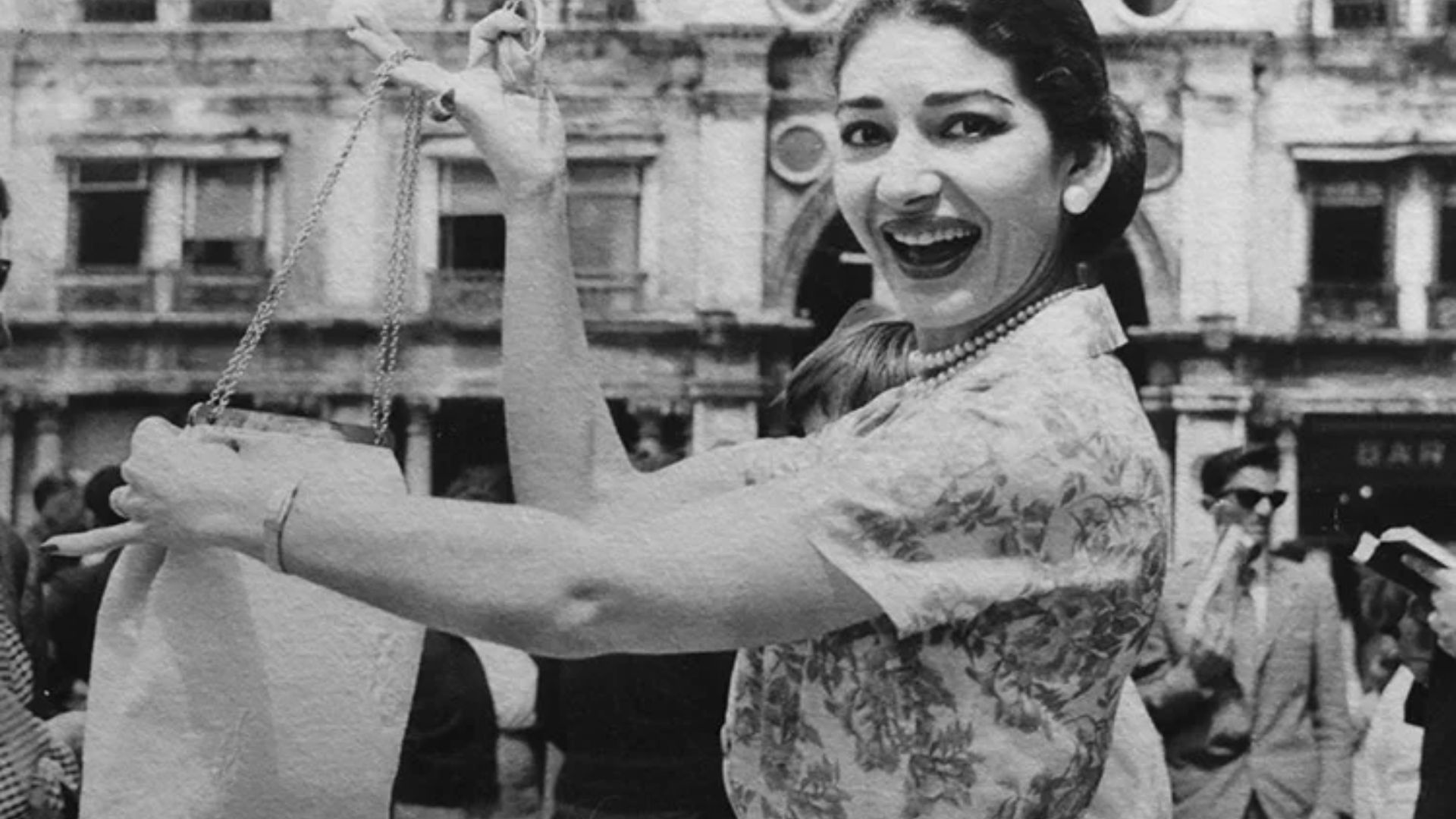
And yet, perhaps it was this very pressure that fueled Maria’s rise. Callas was accepted into the conservatory in Athens and quickly drew significant attention. Her voice had an incredible range, allowing her to transition between dramatic soprano and lyrical soprano. Despite some technical flaws, she left her mark on opera history through the depth of her interpretation and her theatrical power on stage. Maria was passionate. While this passion was initially directed at the stage, as she aged, it would spill over into every other aspect of her life.
She first stepped onto the stage in 1939 for a student concert. This was followed by her professional debut in 1941, when Maria was just 18 years old, in the role of “Santuzza” in the opera Cavalleria Rusticana at the Greek National Opera. Despite her youth, she was always the one chosen for the biggest roles.
Naturally, as Maria’s success grew, staying in Greece became difficult. The land of true opportunity, America, was calling her name!
Italy and the Rise to Greatness
When Callas returned from Athens to New York, her primary goal was to work at the Metropolitan Opera. However, because her voice was considered too heavy and dramatic, she couldn’t land the roles she wanted. Furthermore, Callas was not seen as fitting the “beautiful soprano” mold that the Americans were looking for. Maria was stubborn and passionate. The moment she felt she wasn’t getting the opportunities she deserved, she left America and set her sights on Italy.
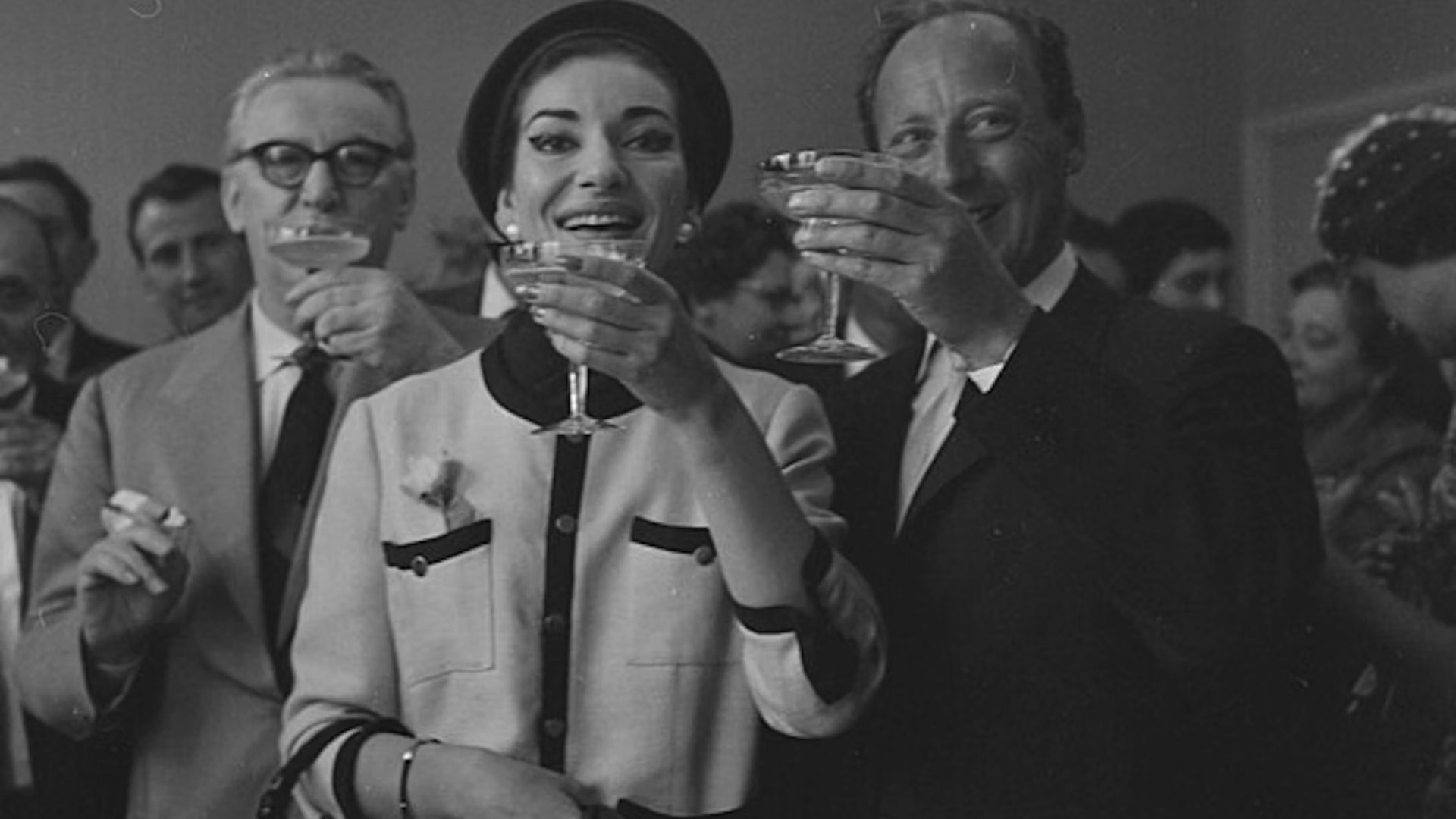
Success would find her in Italy, and it wouldn’t take long. In 1947, she made her major breakthrough at the Verona Arena in Italy. Starring in the opera La Gioconda, Callas caught the attention of Italian musical circles with her powerful voice. This performance became a turning point in her career. Among those listening to Callas at that Verona show was Giovanni Battista Meneghini, an opera lover and a prominent industrialist. Meneghini was captivated by Callas’s voice and began managing her career. This professional relationship soon turned into a personal one—one that many considered to be quite one-sided. Meneghini lost his heart to the young Maria and, before long, married her, becoming not just her manager but her husband.
With Meneghini by her side, Maria’s career skyrocketed. In 1949, after performing at the La Fenice Opera House in Venice, she officially reached star status. During this period, her lead role in Bellini’s Norma cemented her as a true legend.
In 1951, she began performing at La Scala, and it wasn’t long before she became the biggest star on that stage. She achieved massive success in works by composers like Giuseppe Verdi, Vincenzo Bellini, and Gaetano Donizetti. Her performances in operas such as Norma, La Traviata, and Lucia di Lammermoor proved she was an unrivaled artist, both technically and dramatically.
A Passionate Love
While Maria was happily continuing her marriage and career, a man entered her life in 1957: Aristotle Onassis.
Callas was married to Meneghini, but Onassis was passionate and persistent. He showed great interest in Maria. Onassis and Maria met in 1959 at a party held on Onassis’s yacht. The guests included figures like Winston Churchill. The flirtation that began there between Callas and Onassis soon turned into a grand, consuming love. As a result, Maria and Meneghini’s marriage came to an end. This, of course, caused a massive stir in the press, and everyone became aware that Maria had been unfaithful to her husband. To make matters worse, Onassis didn’t marry Maria. Due to Greek laws that made divorce difficult, he remained married to his former wife, Tina Livanos, and continued his relationship with Maria as an affair.
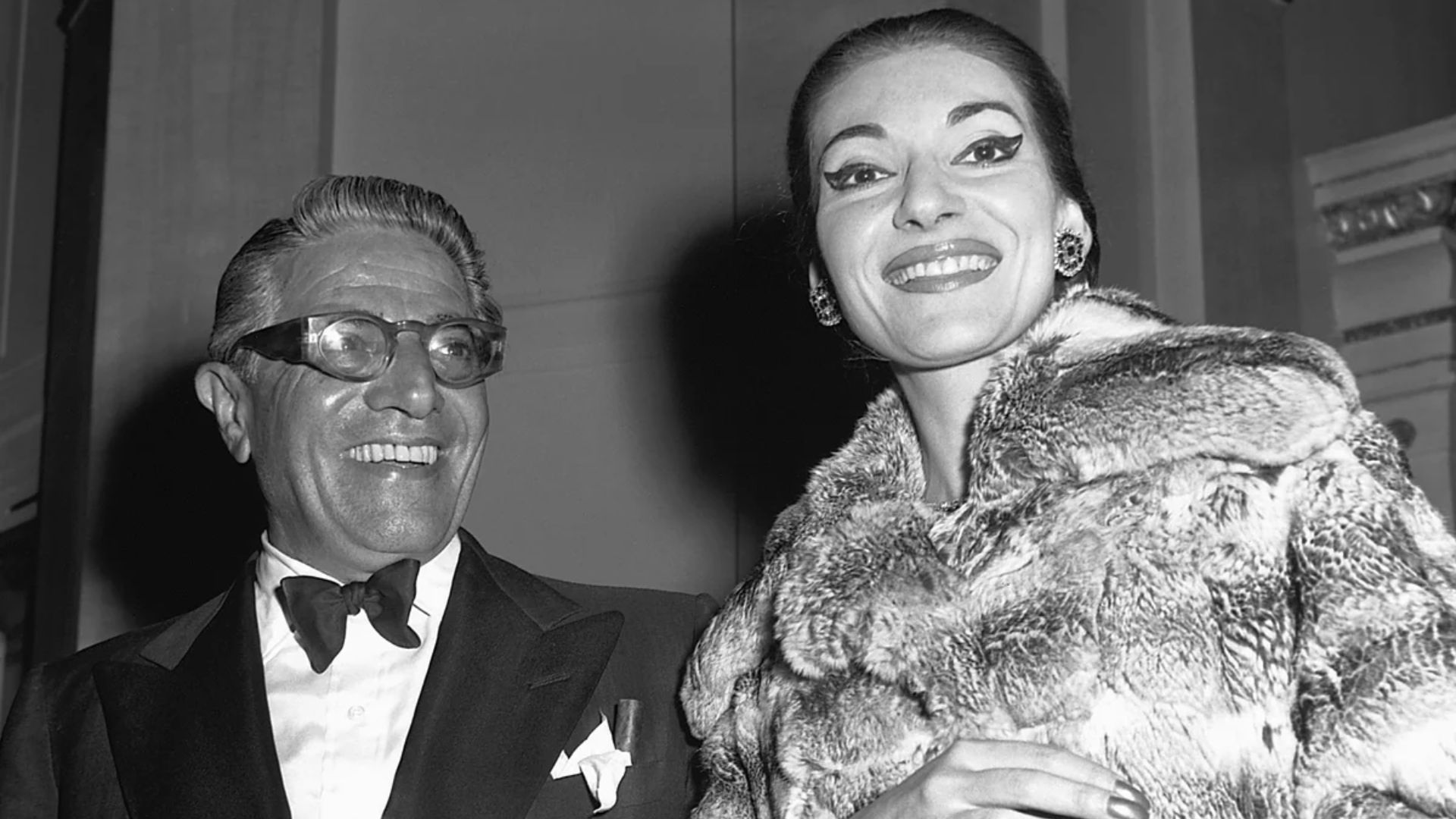
This situation understandably took a toll on Maria, both emotionally and professionally. On top of everything, Onassis often discouraged her from performing. Despite loving Callas deeply, Onassis occasionally adopted a belittling attitude and was unfaithful. Callas, however, felt a deep attachment to him, even putting her career on the back burner just to be loved by him.
After nearly 10 years together, they broke up in 1968, worn out by the exhausting nature of their relationship. Immediately afterward, Onassis married Jacqueline Kennedy, the widow of former U.S. President John F. Kennedy. This was a devastating blow for Callas. According to some sources, there had been an affair between Onassis and Jacqueline even while Kennedy was still alive. Fueled by these rumors, Maria was truly shattered.
Her career had already suffered certain blows before this separation, of course. In 1965, she gave her final operatic performance in Tosca. This marked the beginning of Callas’s formal withdrawal from the opera stage. The performance had not gone exactly as she had hoped.
Following this, Maria’s mental health deteriorated, and she retreated into her home, distancing herself from the stage entirely.
A Bitter End
After the breakup, she managed to pull herself together slightly and embarked on a world concert tour between 1973 and 1974 with her former stage partner, Giuseppe Di Stefano. However, her voice was not what it once was, and her performances were heavily criticized. Her mental state collapsed further after this. Around the same time, in 1974, Onassis began experiencing serious health issues. He was receiving treatment in Paris for liver failure. During this period, Callas visited her former lover and tried to communicate with him in his final days.
On March 15, 1975, Aristotle Onassis passed away. Callas withdrew into herself completely after his death. The loss of Onassis only deepened the depression she had been battling for years. In the years that followed, she lived a solitary life in Paris and passed away on September 16, 1977, after suffering a heart attack.
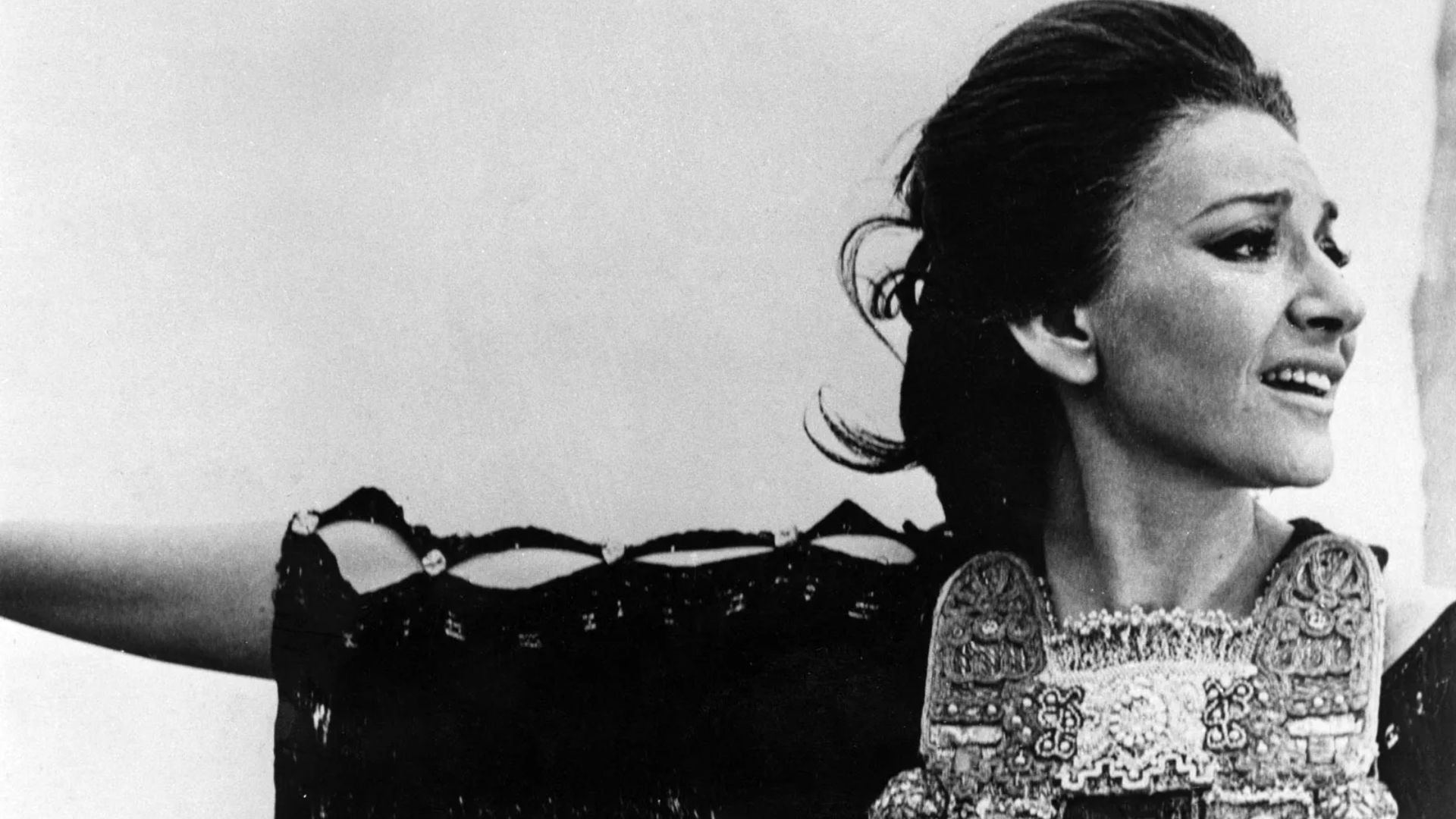
Though her life was cut short, Maria made immense contributions to opera in her brief time. She revitalized the works of bel canto composers like Bellini, Donizetti, and Rossini, firmly established the concept of dramatic acting in opera, and brought raw emotion to the art form.
Maria Callas brought a revolutionary approach to the art of opera through her command of the stage. Thanks to her, the bel canto repertoire was reborn, and opera evolved from being a purely technical display into an art form that required genuine acting. However, the price for all this success was high. In the final years of her life, lonely and withdrawn from the stage, Callas passed away quietly in her Paris home. While her death is seen as one of opera’s greatest tragedies, the legacy she left behind remains immortal.
Today, her recordings are still listened to, the characters she brought to life are used as benchmarks, and her influence continues to resonate throughout the art world. So much so that a film about Maria was released in 2025. This work, starring Angelina Jolie and featuring the impressive performance of our very own Haluk Bilginer, is a tribute to Maria’s captivating life. We believe it will leave an impact on any art-loving reader who hasn’t seen it yet, and we celebrate the mesmerizing life of Maria.
References and Further Reading
Codinha, A. (2018, October 2). Maria Callas Movie: Tom Volf’s Maria by Callas Documentary review. Vogue. https://www.vogue.com/article/maria-callas-documentary-tom-volf-review
Davidson, L. (n.d.). Maria Callas: the most famous soprano of the 20th century. History Hit. https://www.historyhit.com/culture/maria-callas-the-most-famous-soprano-of-the-20th-century/
Piccotti, T. (2024, December 11). The love triangle between Maria Callas, Aristotle Onassis, and Jackie Kennedy. Biography. https://www.biography.com/musicians/a62951505/maria-callas-aristotle-onassis-relationship
The Editors of Encyclopaedia Britannica. (2025, March 28). Maria Callas | Biography, movie, opera, & soprano. Encyclopedia Britannica. https://www.britannica.com/biography/Maria-Callas
Warner Classics. (2017, July 27). Maria Callas Live: Bizet’s Carmen Habanera, Hamburg 1962 [Video]. YouTube. https://www.youtube.com/watch?v=EseMHr6VEM0
Originally published in Turkish at Doğa Filozofu.