


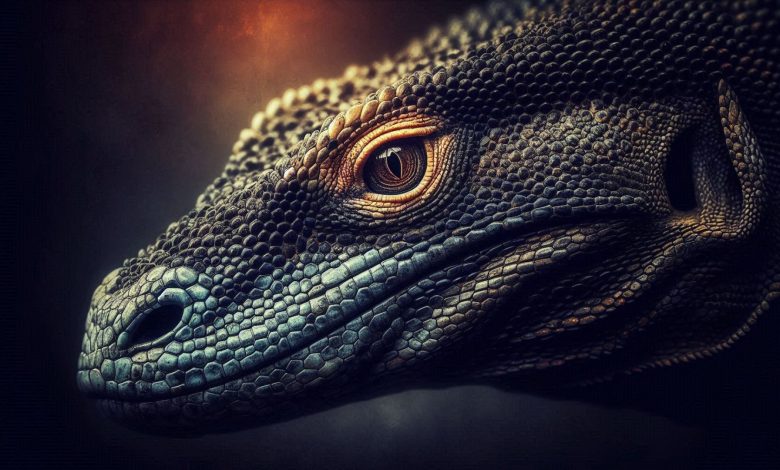
Our world is home to many fascinating creatures. Unfortunately, the populations of some are dwindling by the day. Among these are Komodo dragons, famous for their formidable strength, lethal venom, and intimidating presence. In this article, we’ll dive into the biology and ecology of these giant reptiles to get to know them a little better.
The Evolutionary Path of the Komodo Dragon
Komodo dragons, known scientifically as Varanus komodoensis, belong to the monitor lizard family (Varanidae). Their evolutionary history is a complex journey that led them to the form we see today. The ancestors of our giant lizards were smaller “varanids” that lived about 40 million years ago. This tells us that this ancestral species never crossed paths with any dinosaurs—other than birds.
On the other hand, we can point to a giant lizard species called Megalania as the ancestor of the modern Komodo dragon. It is believed that 4 million years ago, Megalania spread across Australia, Indonesia, and Southeast Asia via ancient land bridges, eventually evolving on islands like Komodo, Rinca, and Flores into the modern Komodo dragons we recognize today.
Evolving in isolation on the volcanic islands of Indonesia, Komodo dragons adapted to environmental conditions that gifted them with unique traits, ultimately forging the impressive strength and resilience they possess today.
Physical Characteristics
Komodo dragons can reach lengths of around 3 meters and weigh roughly 70 kilograms. They are skilled hunters with powerful jaws, razor-sharp teeth, and a venomous bite. Their venom originates from their saliva; paired with their crushing bite, this makes them exceptionally lethal predators. The toxins come from specialized glands. This venom prevents their prey’s blood from clotting, leading to severe blood loss and a high risk of infection.
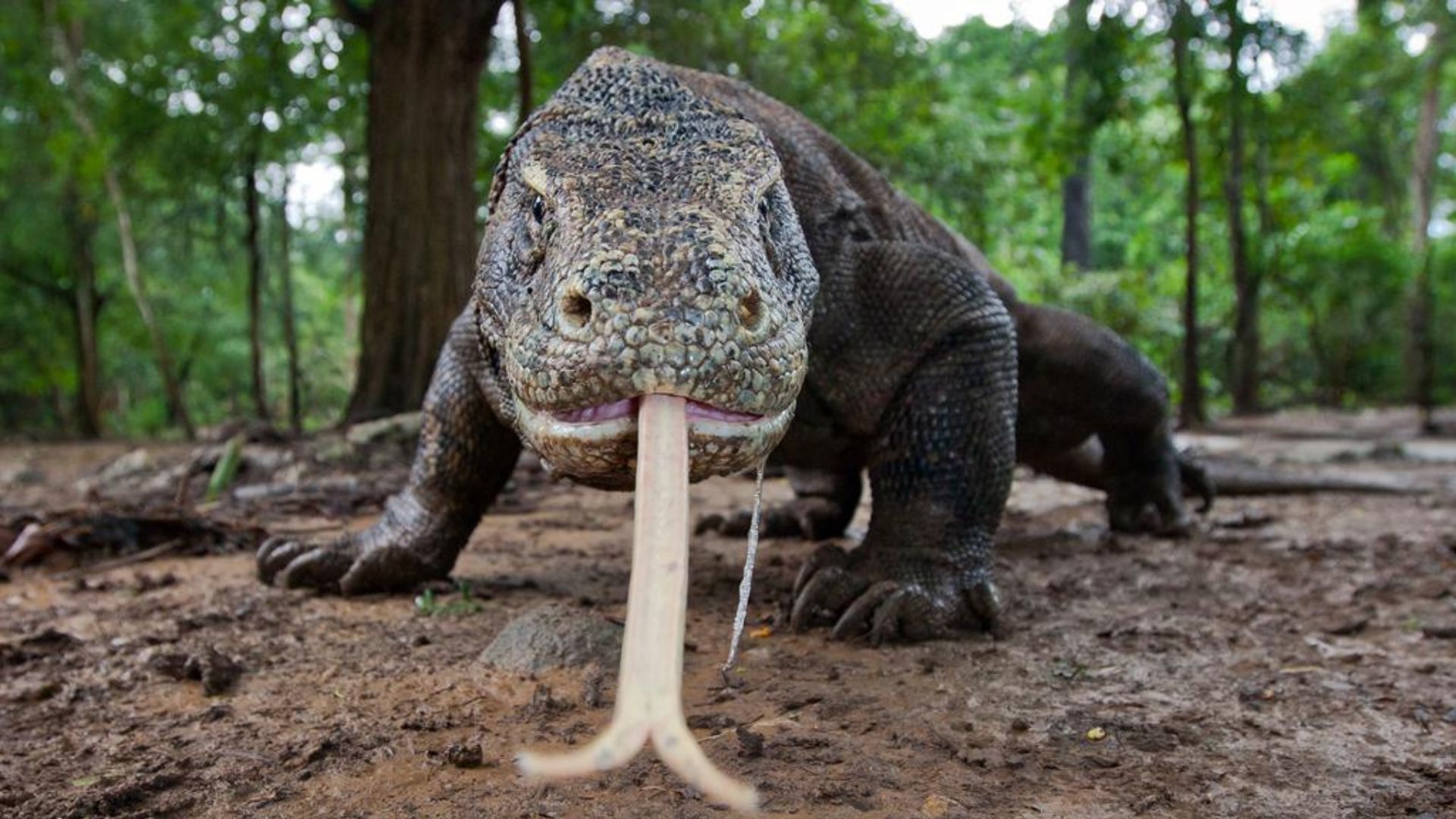
While their offensive capabilities as hunters are critical, they are also masters of self-defense. Their thick, scaly skin protects them from injury and boosts their overall durability. Thanks to their vision, they have a much better night-vision capability than humans, which gives them a significant advantage when hunting after dark.
Habitats
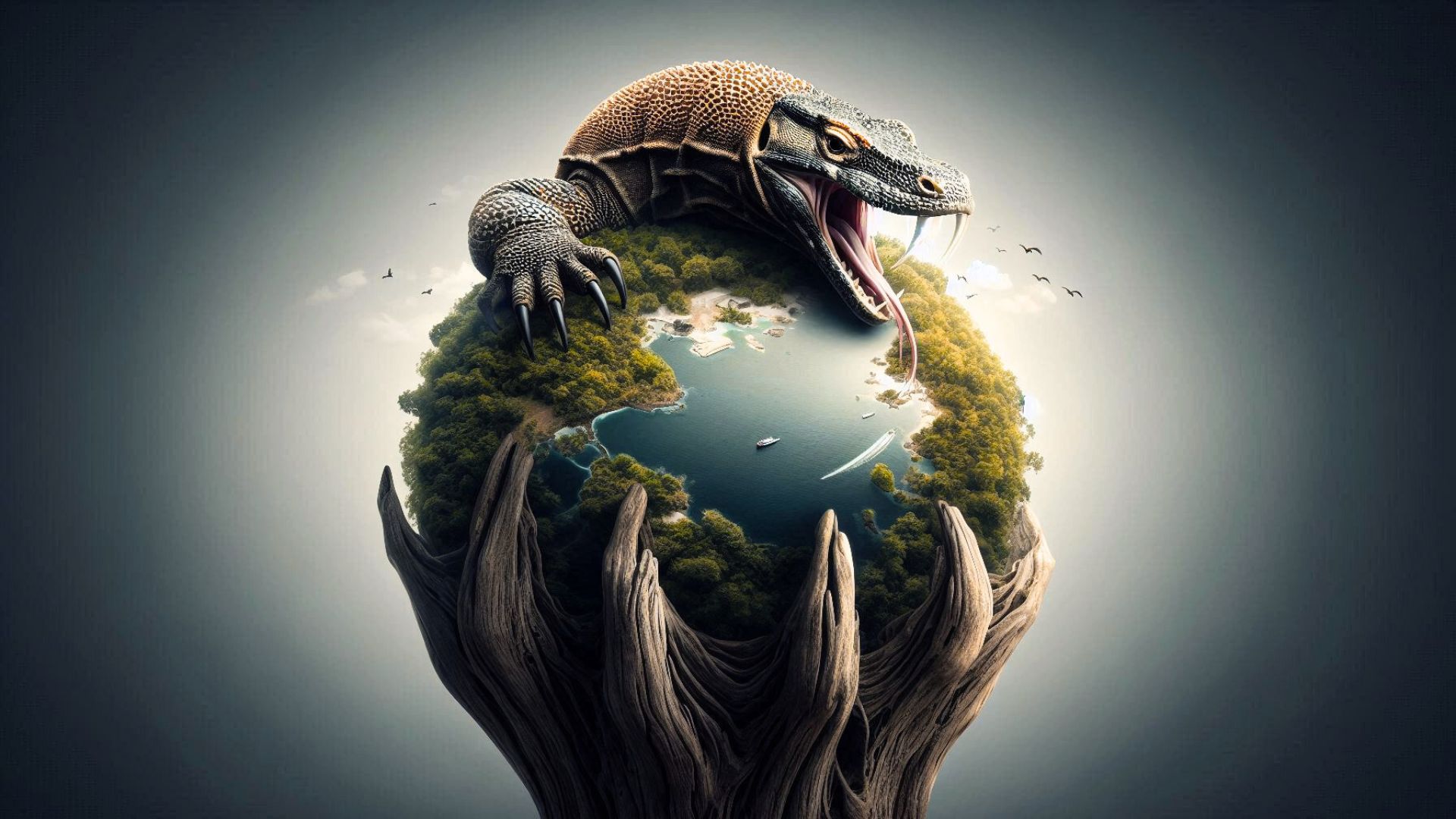
Unfortunately, the habitat of the Komodo dragon is restricted to the Indonesian islands of Komodo, Rinca, Flores, Gili Motang, and Padar. The tropical forests, shrublands, and savannas of these islands are their natural home. While they generally prefer low-altitude areas like coastal regions, they will occasionally venture into higher elevations when searching for food.
Feeding Habits
Komodo dragons are carnivores with a very broad menu. Deer, pigs, water buffalo, and even younger members of their own species are all part of their diet. They hunt by using their venomous saliva to prevent their prey from clotting. However, they aren’t always in the role of the hunter; these giant lizards are also scavengers, playing a crucial role in the ecosystem by cleaning up carrion.
Reproduction and Life Cycle
Another fascinating aspect of the Komodo dragon is its life cycle. This species typically mates during the rainy season and, like other members of the monitor lizard family, reproduces by laying eggs. During the mating season, males enter the territories of females to breed. A female Komodo dragon will lay about 20–30 eggs, which remain in incubation for nearly eight months. The hatchlings live in trees during their first few years to protect themselves from predators. During this time, they feed on small creatures like insects, birds, and bird eggs. When the opportunity arises, they also scavenge small carcasses they find on the ground. This helps the youngsters grow and gain strength.
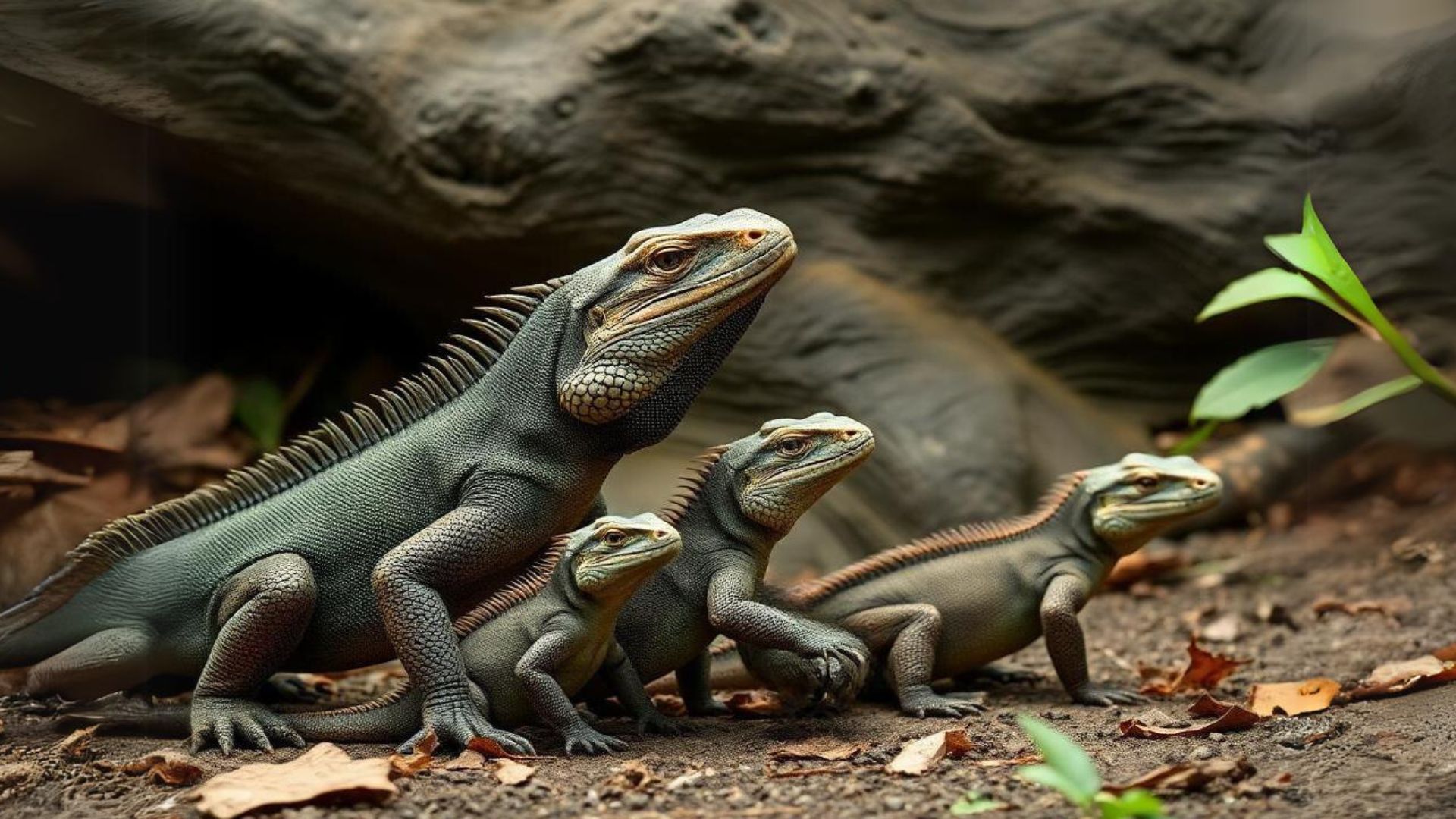
Once they reach adulthood, they descend to the ground to establish their own territories. Establishing this territory is by no means an overnight process. First, young Komodo dragons roam vast areas to find the most suitable spot. These areas are usually close to water sources and places where they can hide from other predators. Once they mark their territory, they use their saliva and droppings to signal to other individuals that the space is taken.
However, rarely does just one Komodo dragon want to rule a territory, so competition for space within the species is quite intense. If a young Komodo dragon defeats the current owner of a desired territory in a fight, it becomes the new master of that land. But claiming the territory isn’t as easy as taking it; the new owner must then spend its life defending it from other dragons. Because of this constant need for defense, territorial dragons often exhibit aggressive and dominant behaviors.
Differences in Territorial Struggles: Males vs. Females
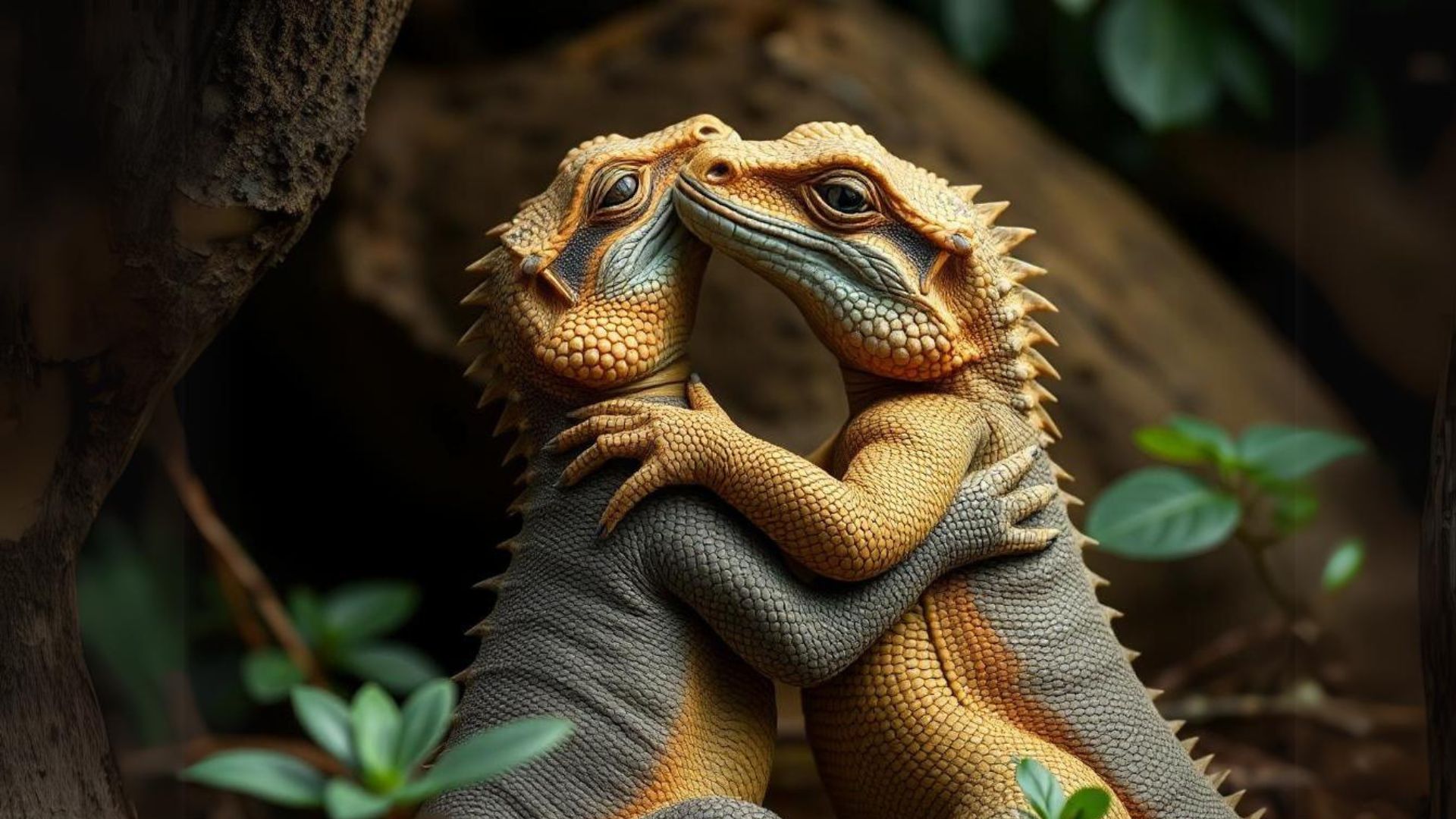
As mentioned above, males are the ones who primarily take the lead in establishing and defending territories. Female Komodo dragons do not control the same vast ranges as the males, and consequently, they are not as aggressive or competitive in this regard. Instead, they focus more on nesting and raising their young.
Endangered Status
The Komodo dragon is classified as “endangered” by the International Union for Conservation of Nature (IUCN). This indicates that the population is under threat from human activity, habitat loss, and hunting. In fact, there are only about 3,500 Komodo dragons left in the world today.
In this regard, the Komodo National Park in Indonesia, which serves as a natural habitat for these dragons and was declared a “World Heritage Site” by UNESCO in 1986, is a standout example of a conservation area. Such protected spaces are vital for the survival of this unique species.
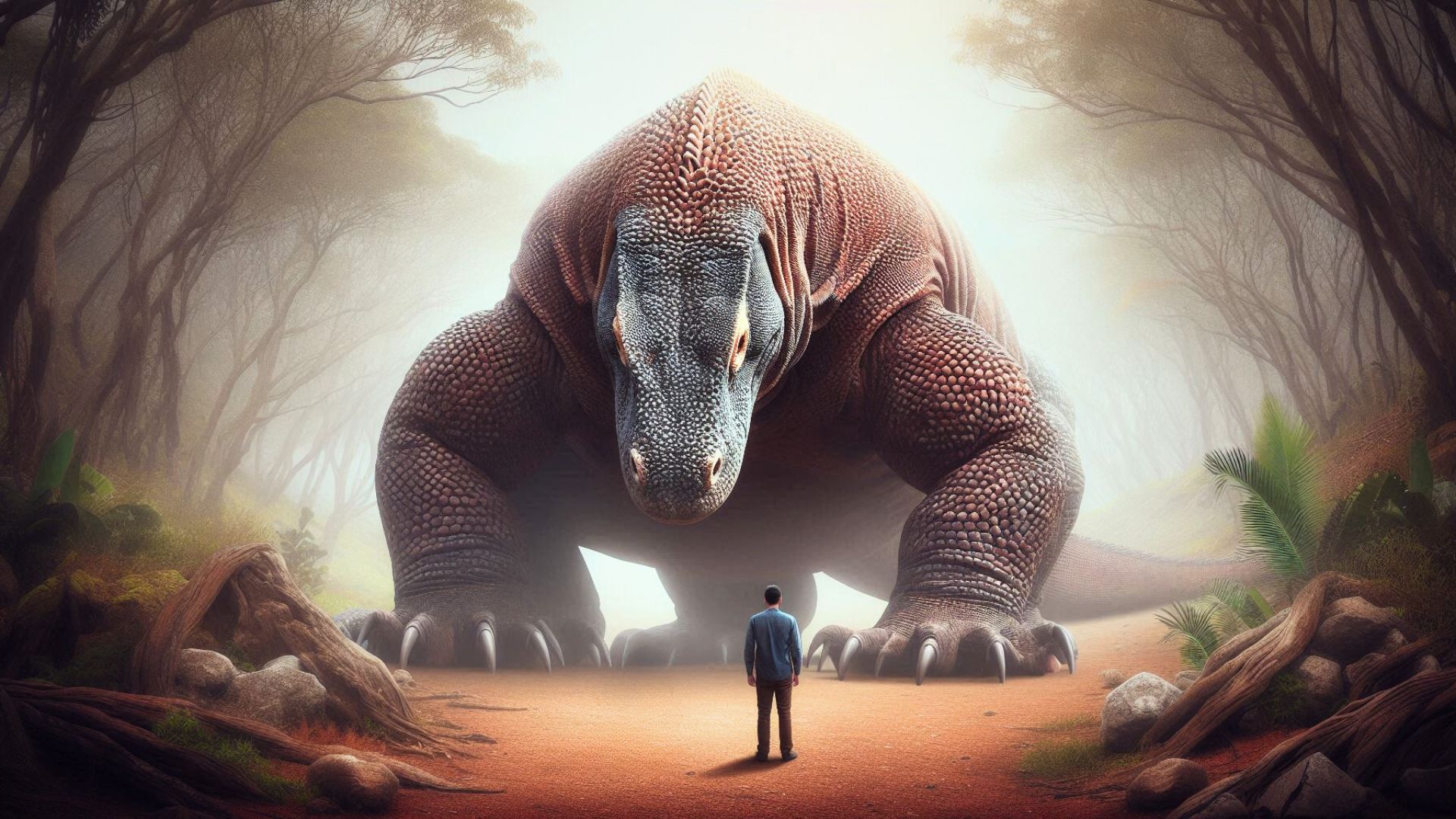
I hope that as humanity, we will do our utmost for all species facing extinction—including the Komodo dragon—to ensure their survival, and that we see an increase in ecological and biological research to learn even more about these impressive animals.
References and Further Reading
BBC Earth. (2014, February 14). Largest Lizard on Earth | The Komodo Dragon | Deadly 60 | Indonesia | Series 3 | BBC [Video]. YouTube. https://www.youtube.com/watch?v=28FzV5OHqMU
Leibowitz, E. (2010). Ten Fierce Facts about Komodo Dragons. World Wild Life. https://www.worldwildlife.org/blogs/good-nature-travel/posts/ten-fierce-facts-about-komodo-dragons
The Editors of Encyclopaedia Britannica. (2024, September 13). Komodo dragon | Venom, Size, Bite, & Facts. Encyclopedia Britannica. https://www.britannica.com/animal/Komodo-dragon
The IUCN red list of threatened species. (n.d.). IUCN Red List of Threatened Species. https://www.iucnredlist.org/
WATCH: Living among Ancient Dragons. (n.d.). [Video]. Animals. https://www.nationalgeographic.com/animals/reptiles/facts/komodo-dragon
Originally published in Turkish at Doğa Filozofu.