
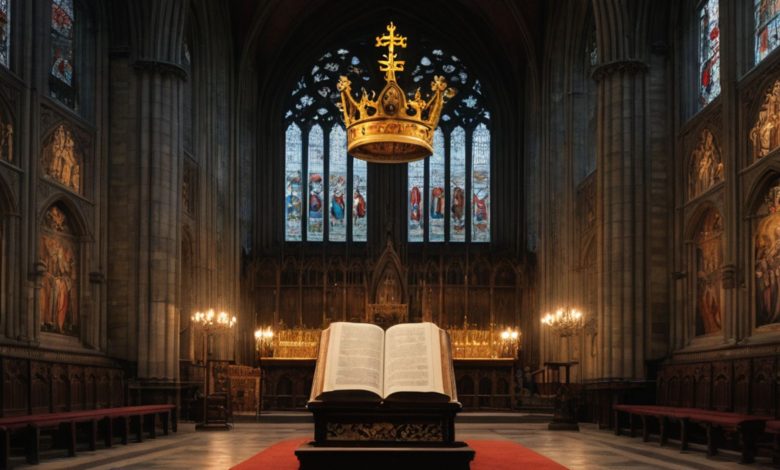
Can you imagine Russia converting to Islam today? It’s hard to picture a nation simply setting aside centuries of faith to adopt an entirely new religion or denomination, isn’t it? Yet, this seemingly impossible scenario has happened before in history. And we aren’t talking about some obscure country with a loosely defined culture; we are talking about the English, a people with an incredibly rich historical tapestry. Back in the 16th century, under the leadership of King Henry VIII, England shifted from Catholicism to Protestantism. So, why and how did this massive transition actually happen?
The Backdrop
Of course, England didn’t just switch denominations overnight because King Henry felt like it. This was the culmination of a long series of events and the structural changes they brought with them.
Throughout the Middle Ages, the Catholic Church in Europe held not just religious, but immense political and economic power. The Pope, sitting at the head of the Church, exerted massive influence over European monarchs, and the Church was the beating heart of everyday life. According to Christian doctrine at the time, the Church was the only institution capable of securing a person’s spiritual salvation. In monarchies like England, this meant the Church became more than just a religious authority; it was a financial and political titan. It could collect taxes, own vast tracts of land, and sway royal policy. In short, the Church sat right next to the throne as a rival power. Over time, however, this unchecked influence led to corruption and the exploitation of the public—the very spark that ignited the Reformation we all know today.
In 1517, the German monk Martin Luther published his “95 Theses” against the Catholic Church, launching the Protestant Reformation. Luther’s ideas spread across Europe like wildfire. Protestantism argued that people could achieve spiritual salvation directly through a relationship with God, without needing the Church as a middleman. It also leveled sharp critiques at the Church’s rigid hierarchy and rituals. Ultimately, the Protestantism that emerged from this movement had very little political teeth; it lacked the power to sanction the public or the king.
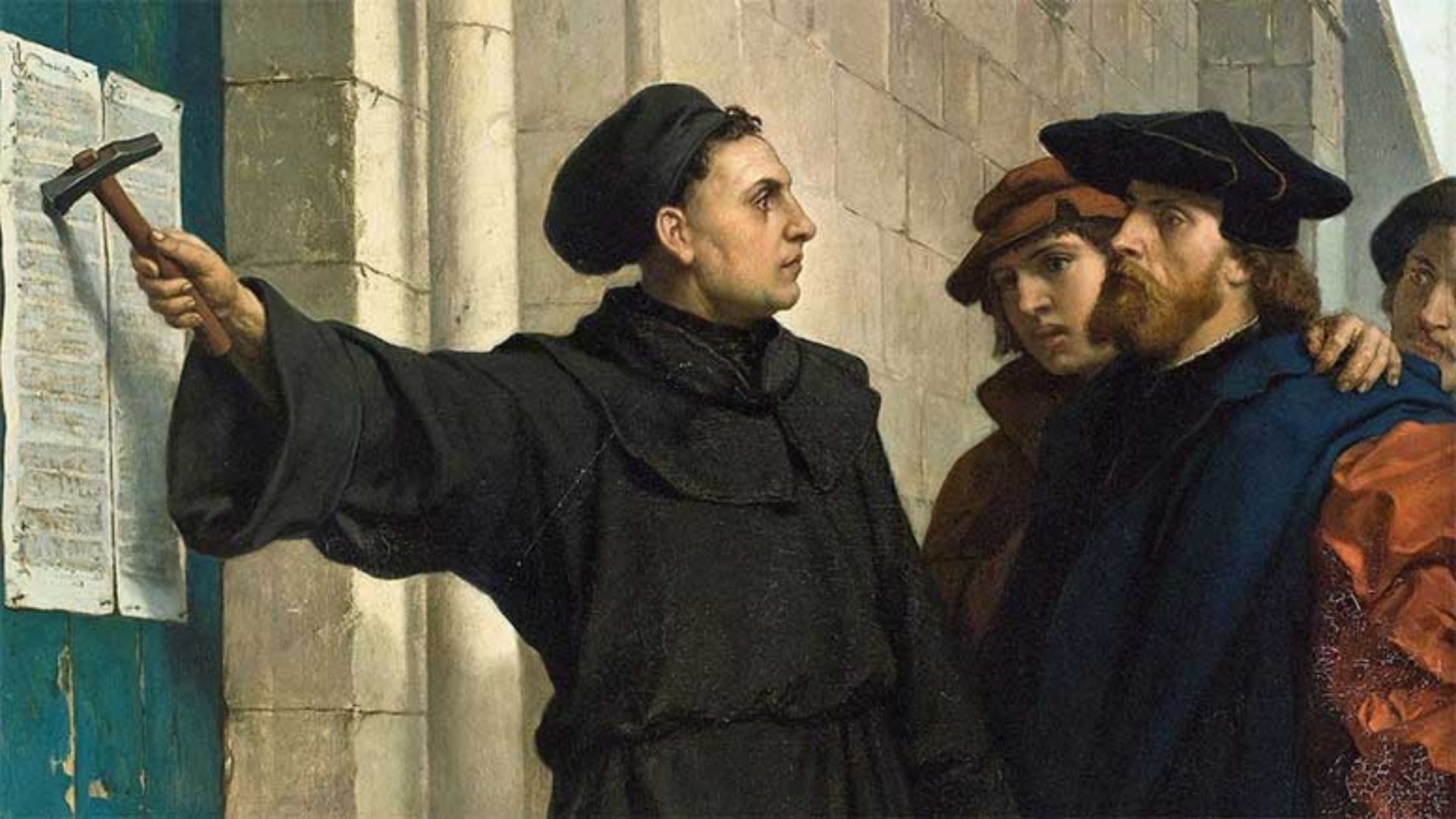
This was a welcome change for many monarchs. It gave them a chance to break free from a system that had been a thorn in their side for ages. By then, the Catholic Church wasn’t acting with the same unchecked force it once had; the pressure was easing, and things had quieted down somewhat. But why, specifically, did England make the leap?
The Process of Transition to Protestantism
Even though England was staunchly Catholic, tensions between the Crown and the Church had been simmering since the Middle Ages. English kings were always looking to keep the Church’s vast wealth, land, and spiritual sway over the people in check. The 12th-century clash between Henry II and Thomas Becket is an early example of this friction. Kings wanted to limit the Church’s power, and the Reformation gave them the perfect leverage. Before the Reformation, a king wouldn’t have dared to openly defy the Church, but the movement created a slow-moving shift in the political climate.
Still, we can’t pin the transition solely on politics. The biggest driver was arguably the personal needs of King Henry VIII himself. Henry ascended the throne as a devout Catholic monarch and initially remained loyal to the Roman Catholic Church. After becoming King in 1509, he married Catherine of Aragon, which strengthened diplomatic ties between England and Spain. But Henry had one overriding obsession: he needed a male heir. Catherine gave birth to six children, but only one survived—a girl. Henry believed that without a son, the future of his dynasty was in grave danger. Between his frustrations and the fact that Catherine hadn’t “given” him a male heir, Henry decided he wanted to divorce her and marry Anne Boleyn. The problem? Divorce was essentially impossible in the Catholic Church. Henry petitioned the Pope to have his marriage annulled, but the Pope refused. The reason was purely political: Catherine was the aunt of Holy Roman Emperor Charles V, one of the most powerful Catholic rulers of the era. The Pope didn’t want to cross Charles, so he turned Henry down.
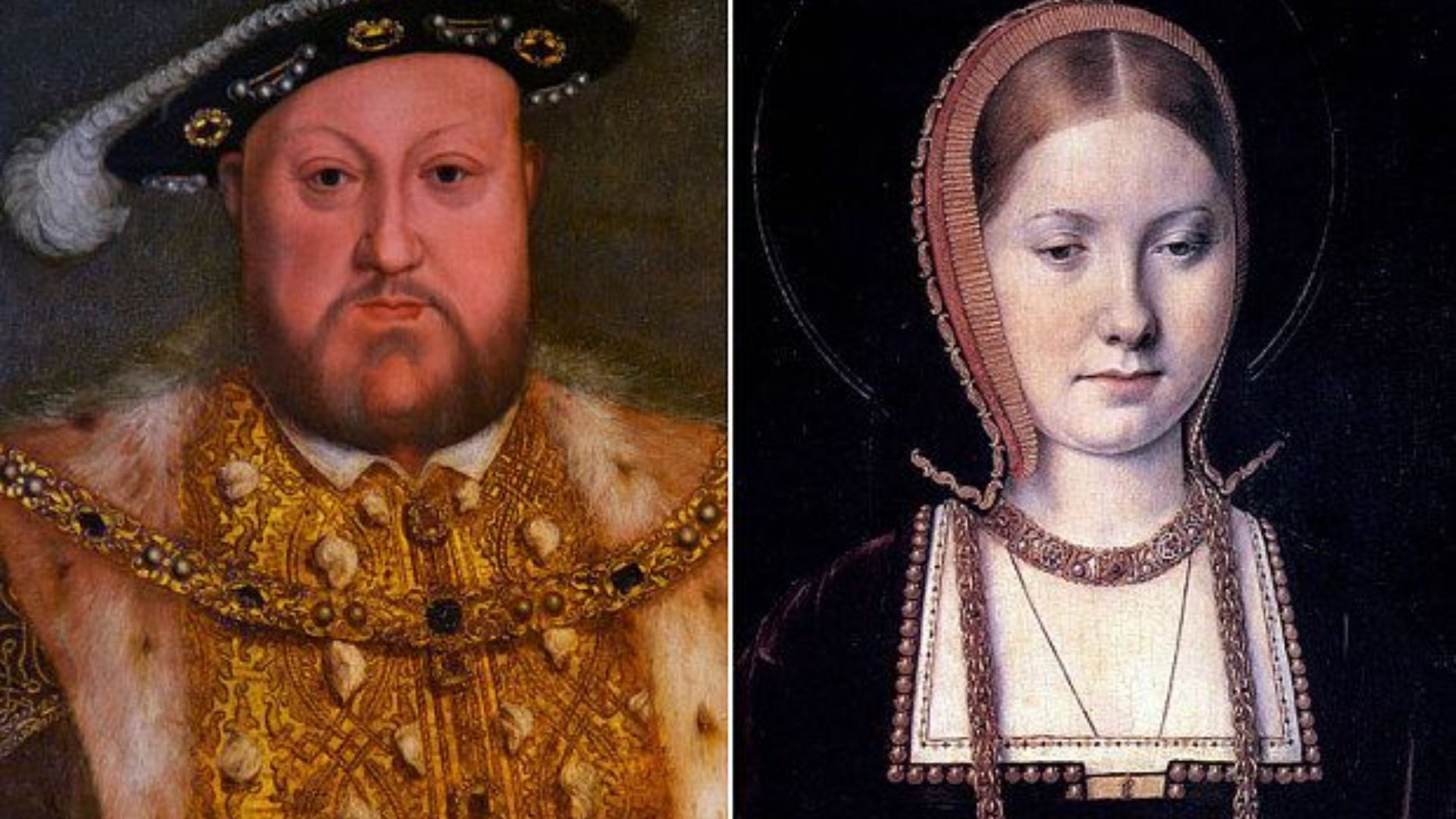
For Henry, this was a non-starter. In the early 1530s, he moved to separate the English Church from Papal authority, declaring himself the head of the Church of England. In 1534, he pushed the “Act of Supremacy” through Parliament, formally breaking ties with Rome and ending the Pope’s authority in his realm. With this law, Henry VIII became the head of both the English state and the Church of England.
At first, Henry didn’t make radical changes to religious doctrine. Roman Catholic rites and practices remained largely intact, but all of the Church’s assets and revenues were transferred to the English Crown. This bolstered Henry’s financial power and set the country on a slow, steady drift away from Catholicism. No matter how much he tried to walk a balanced political line, he had effectively declared a symbolic war on the Pope and his Church, and the ripples of that decision would be felt in England for generations.
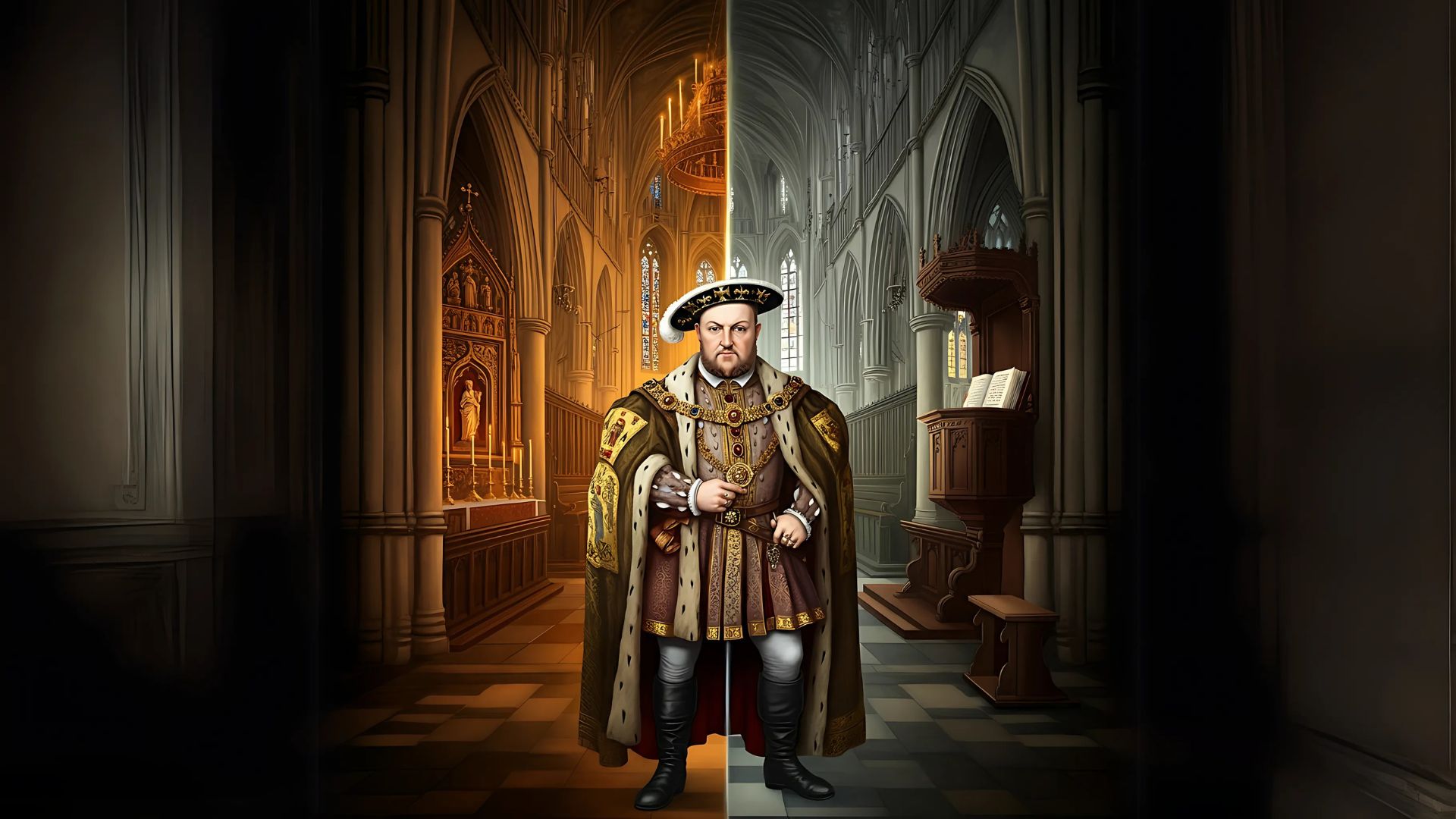
For instance, after Henry’s death, his son Edward VI took the throne. Under Edward, England leaned much more firmly into Protestant beliefs, and Catholic practices were systematically reformed. These reforms were successfully implemented, but changing people’s deep-seated faiths is never simple. Following Edward’s premature death, his half-sister, Mary I, a staunch Catholic, took the throne. Mary tried to drag England back into the Catholic fold, and her reign was marked by harsh crackdowns on Protestants—earning her the grim historical nickname “Bloody Mary.”
In the end, Mary’s repressive policies didn’t stick. After her death, England reverted to Protestantism, and today, English culture stands as a unique blend of those Catholic and Protestant roots.
References and Further Reading
Hillerbrand, H. J. (2024, November 18). Protestantism. Encyclopædia Britannica. https://www.britannica.com/topic/Protestantism
Morrill, J. S. and Elton, G. R. (2024, October 25). Henry VIII. Encyclopædia Britannica. https://www.britannica.com/biography/Henry-VIII-king-of-England
The Editors of Encyclopaedia Britannica. (2024, November 15). Church of England. Encyclopædia Britannica. https://www.britannica.com/topic/Church-of-England
The Editors of Encyclopaedia Britannica. (2016, February 17). Reform movement. Encyclopædia Britannica. https://www.britannica.com/topic/reform-movement
The Editors of Encyclopaedia Britannica. (n.d.). Reform. Encyclopædia Britannica. https://www.britannica.com/topic/reform
Originally published in Turkish at Doğa Filozofu.