
Throughout history, there have been pivotal moments when humanity underwent radical shifts in thought and art. The Renaissance is exactly that kind of turning point: a rebirth where the wisdom of antiquity was rediscovered, the individual and human reason took center stage, and both art and science made monumental leaps. During this time, Europe began building a new world through the work of its artists, scientists, and thinkers. But what made the Renaissance so significant? And how did this great transformation shape the modern world?
In this article, we’re going to dive into the answers to those exact questions!
The Conquest of Istanbul (1453)
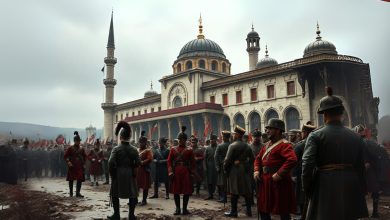
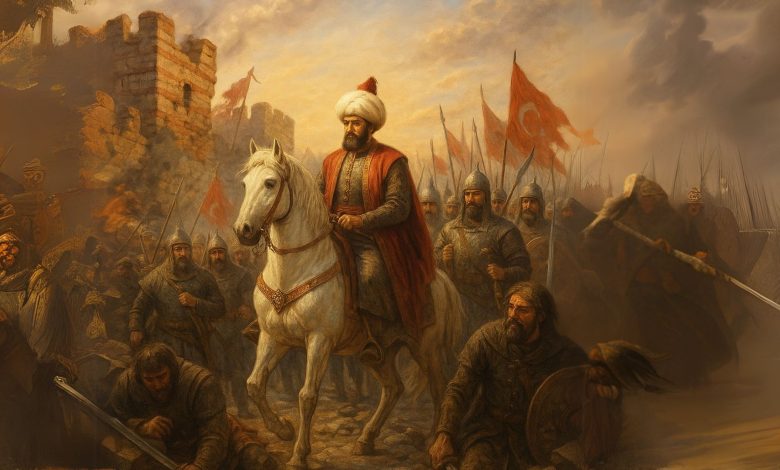
Our story begins with a city that civilizations across history have coveted for its immense strategic and cultural importance: Istanbul. Known at the time as Constantinople, it was conquered by the Ottoman Sultan Mehmed the Conqueror on May 29, 1453. This event became a massive watershed moment for both the Ottoman Empire and world history. Let’s take a quick look at the lead-up to this event, and then examine its far-reaching echoes!
From the 14th century onward, the Ottomans had become a major power across the Balkans and Anatolia. But one obstacle remained in their path: the Byzantine Empire.
Byzantium still held Istanbul. While the empire had long since faded from its former glory—having shrunk down essentially to a city-state—the location of Istanbul remained critically important. When Mehmed II ascended to the throne in 1451, he knew that conquering Istanbul was non-negotiable for the survival and expansion of the Ottoman state. The city sat at the intersection of the main trade routes connecting Europe and Asia. Furthermore, Byzantium’s tendency to lay the groundwork for anti-Ottoman alliances made the decision to conquer it all the more urgent.
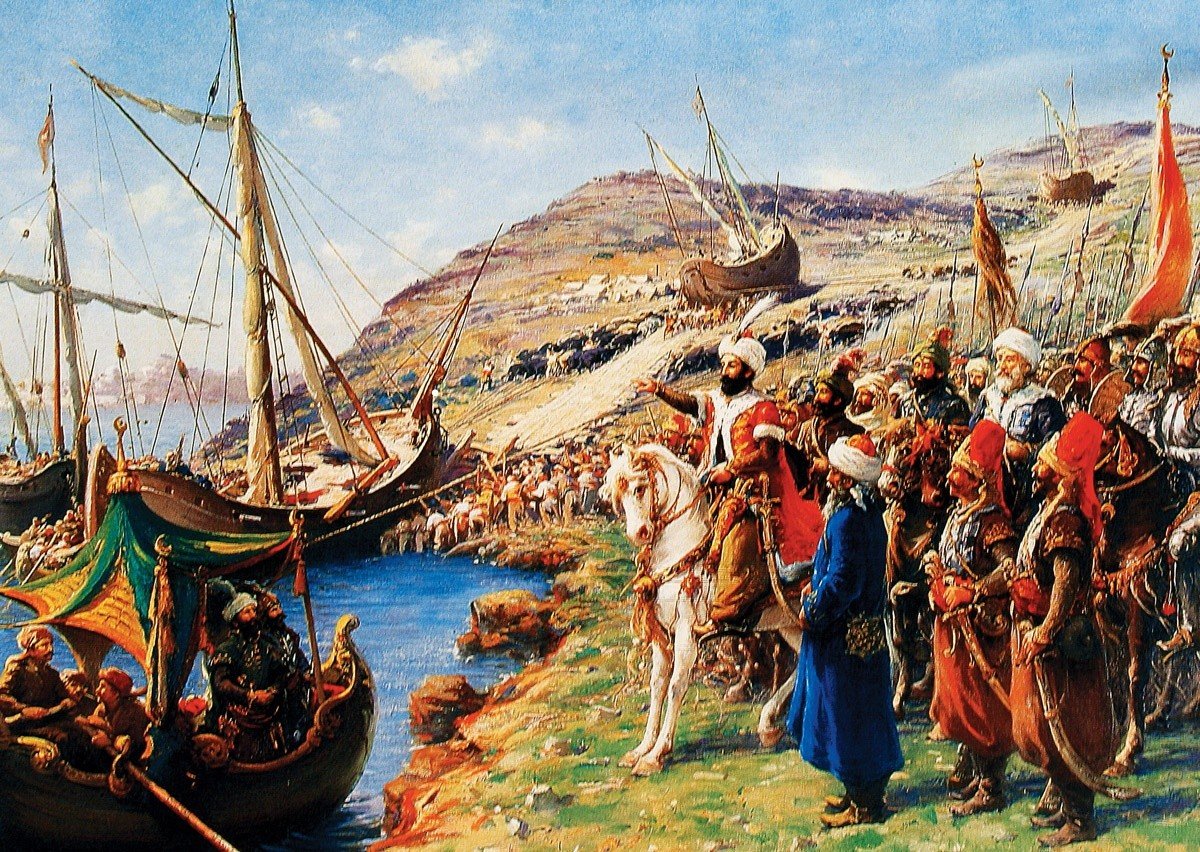
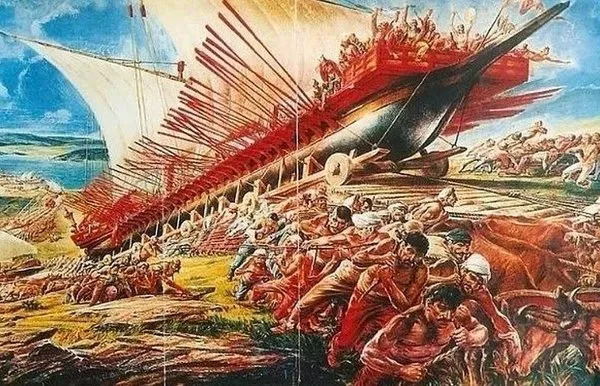
With that, Mehmed II began his preparations and besieged Istanbul on April 6, 1453. The city was famous for its thick walls and natural defensive advantages, but as it turned out, that wouldn’t be enough. First, Ottoman cannons pounded the fortifications for weeks. Those walls, once thought to be impenetrable for centuries, began to crumble. Even then, it wasn’t quite enough; they still needed support from the sea, but the Byzantines had stretched a massive chain across the Golden Horn to keep the Ottoman navy out. In a historic tactical move, Mehmed II had his ships hauled overland and dropped into the Golden Horn. This maneuver severely weakened the Byzantine defenses. Finally, the Ottoman army launched a massive assault on the morning of May 29. The Ottoman troops breached the walls, entered the city, and brought it firmly under Ottoman control.
The Renaissance Begins!
So, what exactly is the Renaissance? In the simplest terms, the word literally means “rebirth,” and it refers to an intellectual, artistic, and scientific movement that spanned from the late 14th century to the 17th century. This era represents a transformation that broke away from the dark, scholastic mindset of the Middle Ages, ushering in an age where the individual, human reason, and aesthetics took the lead. But how did this transformation happen? And what on earth could the conquest of Istanbul have to do with it?
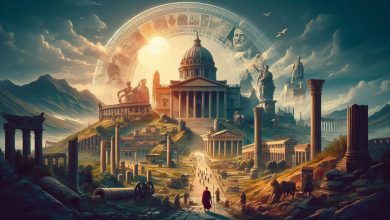
You might be skeptical, but the connection is huge! Up until then, Europe was largely caught up in internal wars and lagged behind Eastern nations in terms of technology. They were lacking in inventions and intellectual capital. Many things that were common in the East—like the Ottoman Empire’s massive cannons, the use of gunpowder, and goods flowing from Asia—were not yet widespread in Europe. When the Byzantine Empire fell, scientists and artists fleeing Istanbul carried the philosophical and artistic heritage of Ancient Greece and Rome into Europe. This led to the rediscovery and renewed study of Plato, Aristotle, and other thinkers who had been all but forgotten throughout the Middle Ages.
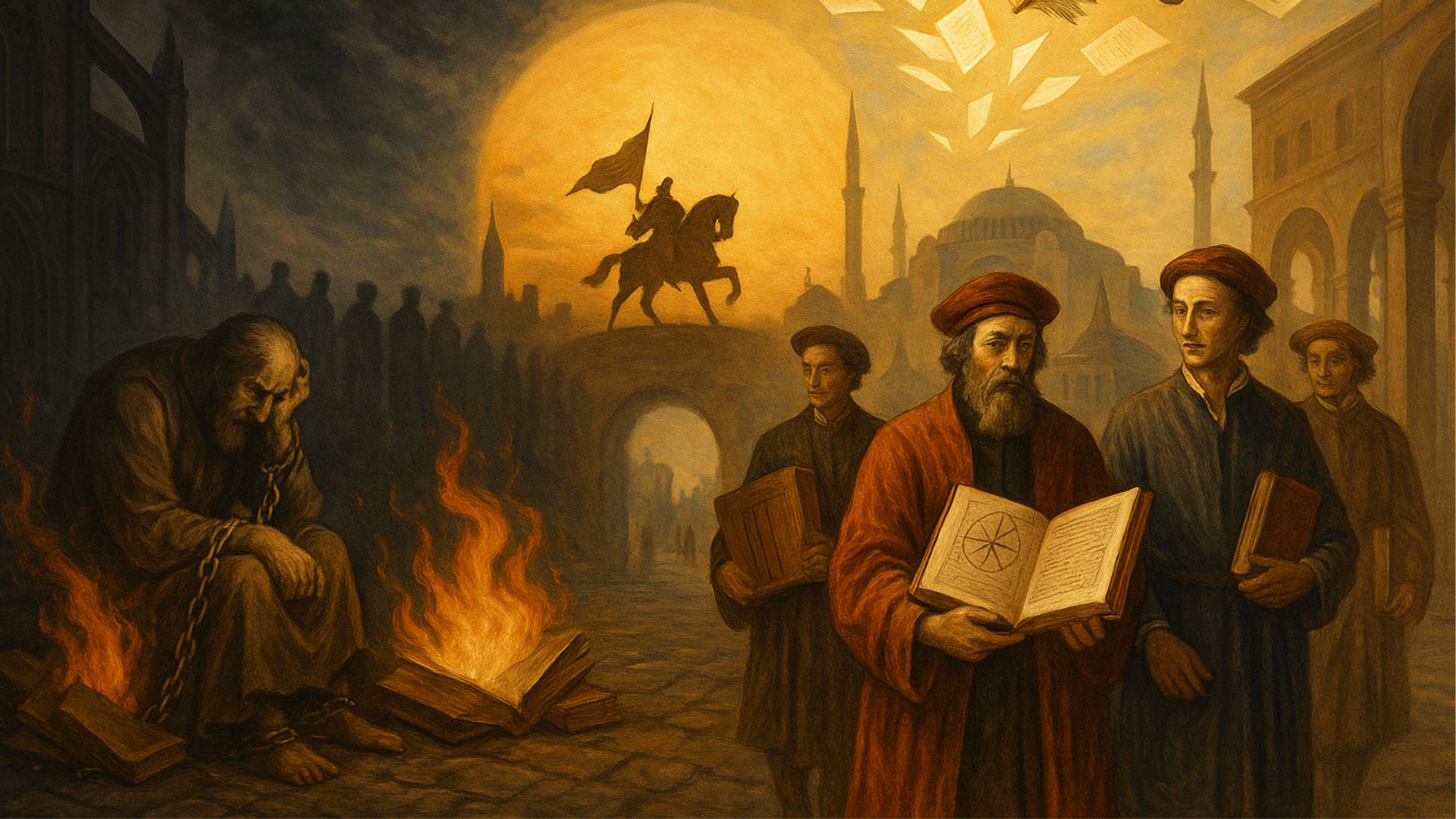
Furthermore, Byzantine scholars brought advanced technological knowledge (such as the compass and gunpowder weaponry) with them to Europe. This quickly provided the infrastructure for the Age of Discovery and led to major advancements in military success.
Of course, it wasn’t just about technical gadgets. The real driver of the Renaissance was education, which allowed an enlightened class to emerge. A key development here was Johannes Gutenberg’s invention of the printing press in 1440. This allowed information to reach much wider audiences. As books became more accessible, literacy rates climbed, and intellectual fervor accelerated.
Winds of Change
You might be thinking, “Can the result of one conquest really have that much of an impact?” You’d be right to ask, but the effects were massive. For example, Europe at the time was a patchwork of small principalities and lords living in fortified castles. These castle-owners (the essence of feudalism) were powerful in their own territories, which prevented the rise of a centralized authority. When the Ottomans proved that their cannons could reduce these “impenetrable” walls to rubble, the importance of these local castles diminished, and state authority began to centralize. In this way, European states gained new political, economic, and military strength.
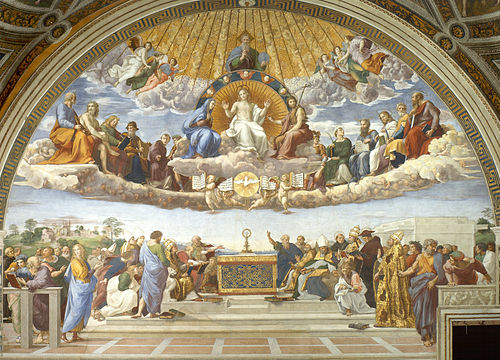
During this same period, Da Vinci’s sketches, Galileo’s telescope, and Copernicus’s heliocentric system led to major breakthroughs in engineering, physics, and astronomy.
These developments lifted the veil that had covered Europe for so long, significantly raising the intellectual bar. This led to the Age of Discovery—which would eventually pave the way for the discovery of the Americas—and allowed for the rise of intellectuals who could challenge the dogmas of the Church. In all these ways, the Renaissance was truly a grand revolution.
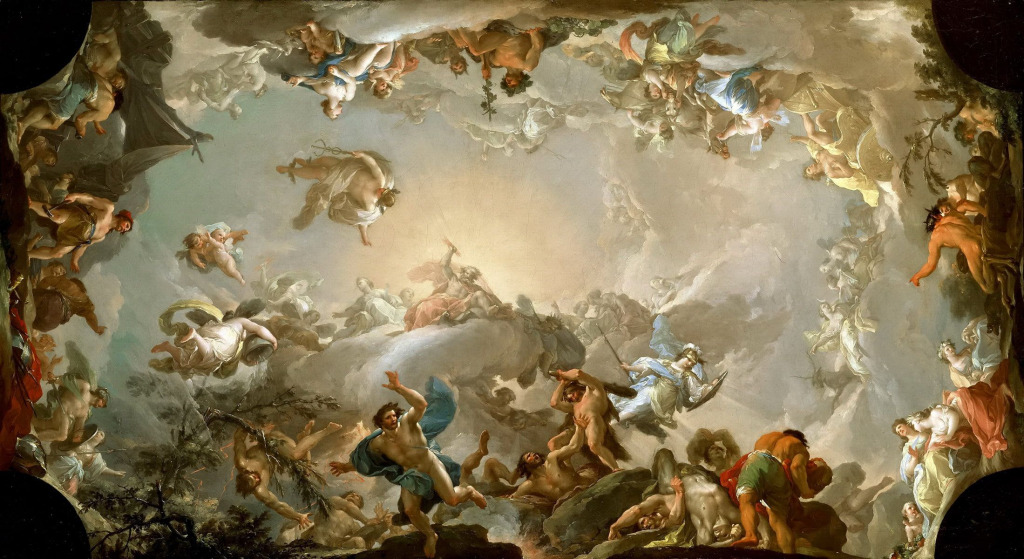
In short, the Renaissance wasn’t just an advancement in art and science; it was an intellectual revolution that fundamentally changed how humans understood the world. The revival of ancient wisdom, the development of scientific thought, and the emphasis on the importance of the individual became some of the foundational pillars of the modern world. Today, we still see the echoes of the Renaissance in our art, our scientific methods, and our commitment to intellectual freedom. Looking back at this pivotal period in history, we understand once more how vital a role innovative thinking and questioning play in human progress.
References and Further Reading
HISTORY.com Editors. (2025, July 1). Renaissance Period: Timeline, art & facts. HISTORY. https://www.history.com/topics/renaissance/renaissance
The Editors of Encyclopaedia Britannica. (2025a, July 3). Renaissance | Definition, Meaning, History, Artists, Art, & Facts. Encyclopedia Britannica. https://www.britannica.com/event/Renaissance
The Editors of Encyclopaedia Britannica. (2025b, July 8). Renaissance art | Definition, Characteristics, Style, Examples, & Facts. Encyclopedia Britannica. https://www.britannica.com/art/Renaissance-art
Originally published in Turkish at Doğa Filozofu.