

If we were to map out the world’s most intriguing and culturally rich regions today, where would we start? El Dorado? The Amazon? Mesopotamia? They’re all magnificent, of course. But there is one place that stands in a league of its own: India.
Don’t let the opening fool you—this isn’t going to be a dry, bottomless history lecture. Instead, we’re going to look at how India transformed into the nation we recognize today. But before we dive into the present, let’s take a quick look at that deep, storied history you were probably hoping for.
A Brief History of India
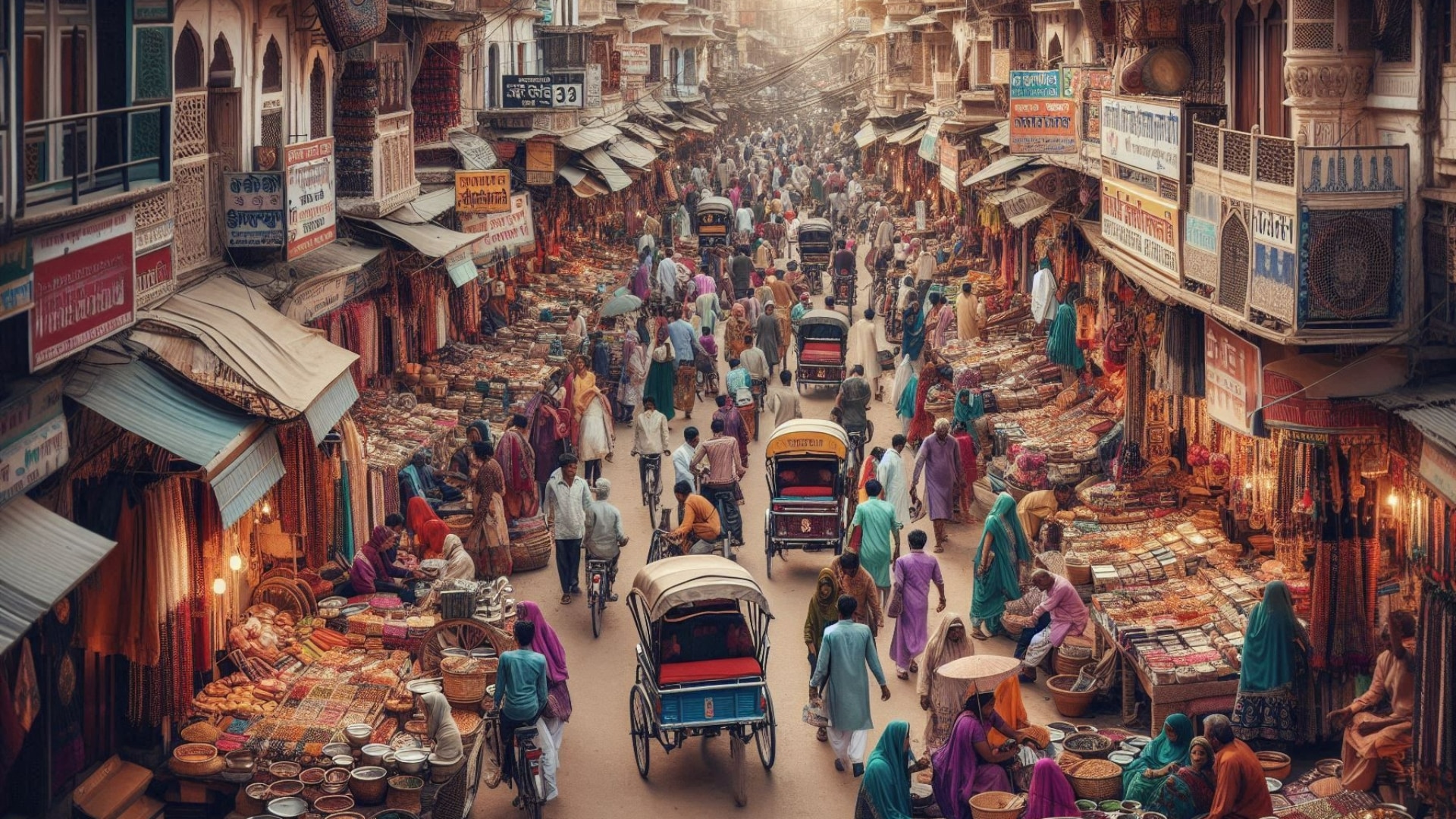
The history of the Indian subcontinent runs deep. The story begins with the Indus Valley Civilization—dating back to 2500 B.C.—and unfolded over the next 4,500 years. Following the Indus era and the subsequent Vedic Period (post-500 B.C.), the foundations of what we call “classical” India began to take shape.
We saw the rise of the Mauryan Empire, followed by the Gupta Empire, and eventually, the Islamic era, which helped forge the country’s modern identity. With the Delhi Sultanate, the region became home to some incredibly powerful rulers, followed later by the Mughal Empire. The Mughals are the ones we have to thank for the breathtaking Taj Mahal.
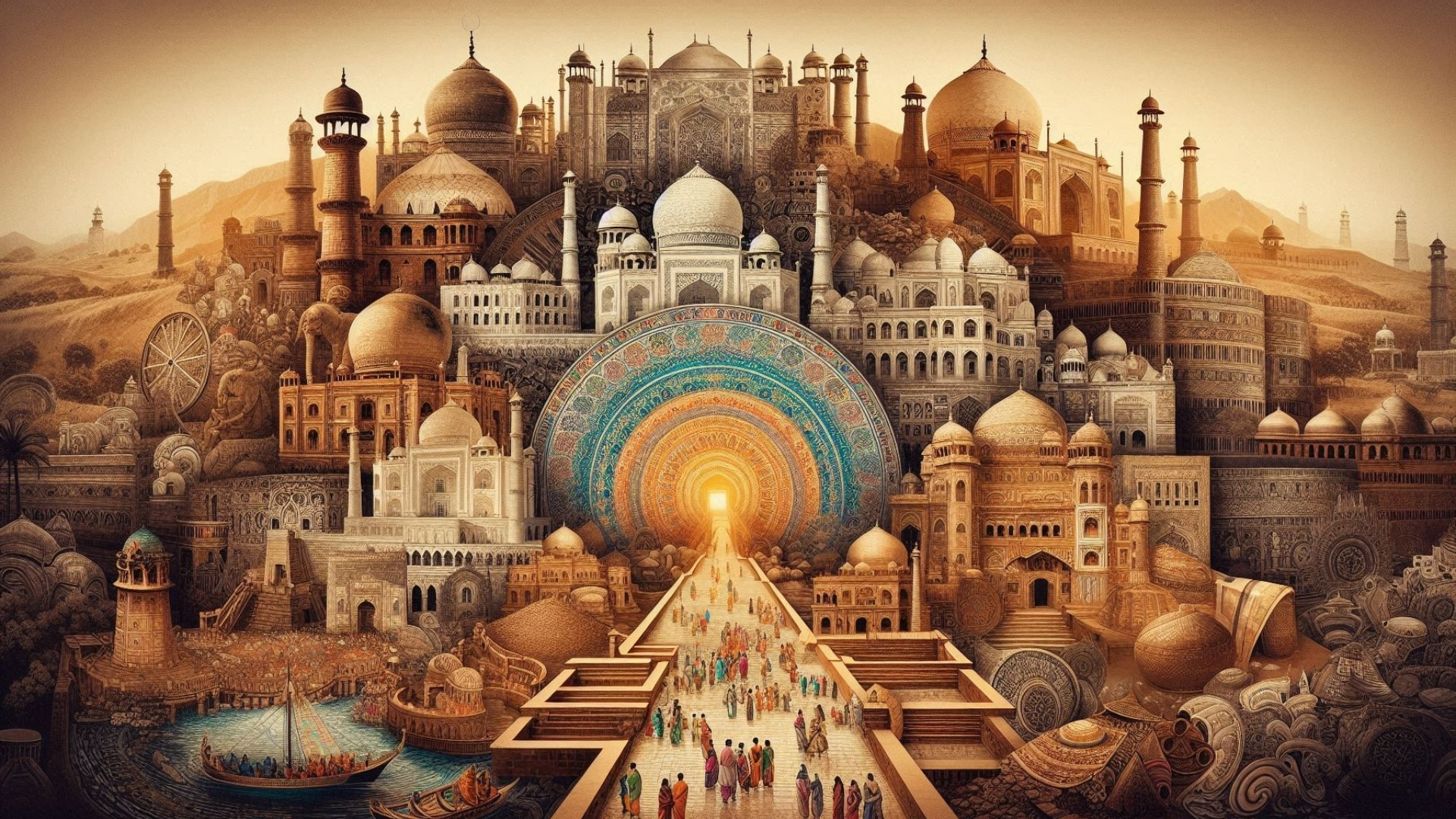
Of course, that paragraph barely scratches the surface of 4,000 years of history, but it gives us a starting point.
This rich tapestry of history and culture had turned India into one of the world’s premier economic and cultural hubs long before the British arrived. So, what happened next?
The British Occupation
In the mid-18th century, the British East India Company began creeping into India, eager to exploit its vast wealth and secure its strategic location. Eventually, India found itself under British colonial rule.
It didn’t happen overnight, naturally. As the British pushed further, they met stiff resistance, culminating in a clash on June 23, 1757. History remembers this as the Battle of Plassey. Let’s look at why it happened:
India was a commercial goldmine at the time. The British East India Company was desperate to get its hands on those profits. Bengal was one of the wealthiest regions in the country, especially when it came to textiles, spices, and raw materials. The British wanted a monopoly, and they wanted control over the region’s resources.
Politically, Bengal was unstable. When the Nawab Siraj-ud-Daula took the throne in 1756, tensions with the British spiked. The Nawab wanted to curb the British influence and limit their commercial reach, and he stood in the way of them fortifying their positions in Bengal.
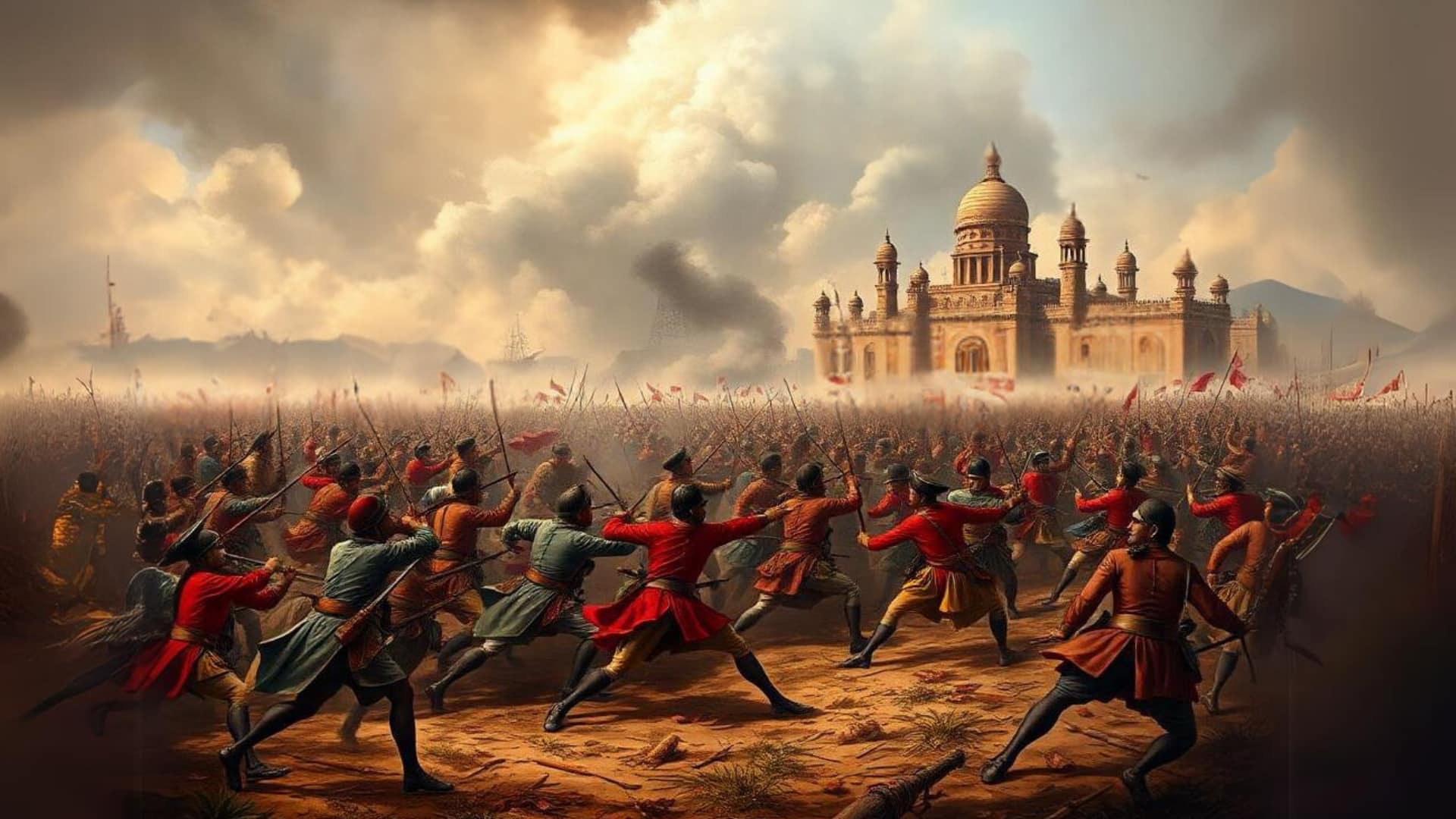
The East India Company wasn’t just there to trade; they were there to rule. By controlling strategic hubs like Bengal, they aimed to establish dominance over the entire country. Naturally, the Nawab’s attempts to stand his ground were seen as a direct threat.
To complicate matters, France—Britain’s biggest rival at the time—had allied with the Nawab to protect their own interests. This pushed the British to adopt an even more aggressive strategy to cement their grip on Bengal.
In the end, war broke out, and as you might expect, the “empire on which the sun never sets” walked away with a clear victory. With that win, India became a British colony, and the British began reshaping the region to suit their own agenda.
But this was never going to last. India wasn’t going to just roll over.
The Sepoy Mutiny and the Resistance
The Sepoy Mutiny was a massive uprising against the East India Company and the spark that lit the path to independence. It’s widely considered a major turning point in India’s struggle for freedom. What started with local Indian soldiers (sepoys) quickly snowballed, drawing in the civilian population and turning into a full-scale revolt against British colonial rule.
It wasn’t just about the desire for independence, either. There was a massive cultural clash between the British military and Indian society. The British lifestyle, particularly their disregard for local religious sensibilities, infuriated the public. The British couldn’t work with the local leadership, and their oppressive, heavy-handed tactics only added fuel to the fire.
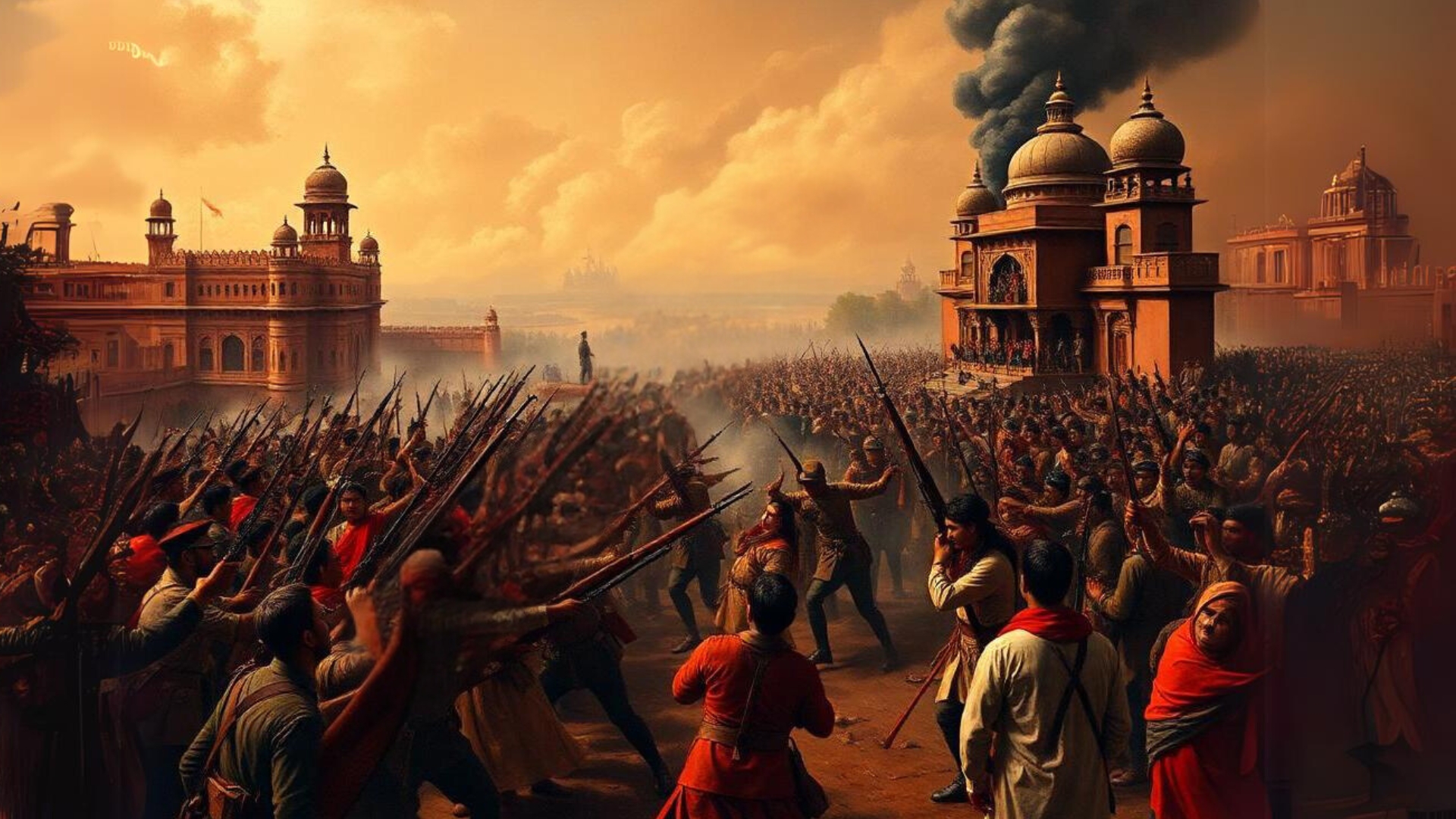
The fuse was lit in 1857 in the city of Meerut. Indian soldiers in the British army rebelled against their officers, refusing to use Enfield rifle cartridges that violated their religious beliefs. The uprising spread like wildfire, gaining widespread public support. Major cities like Delhi, Lucknow, and Kanpur erupted. Rebels launched attacks on British garrisons, seized territory, and forced the British to retreat in several areas.
Delhi, the former capital, became the heart of the rebellion. The Mughal Emperor, Bahadur Shah II, was declared the symbolic leader, though his actual military power was limited; the real heavy lifting was done by the local soldiers.
The rebellion lasted about a year before British forces finally crushed it. But the message was clear: the British were rattled, and the Indian hunger for independence had been awakened. To prevent another uprising, the British government stripped the East India Company of its power and took direct control through the Crown. They established a viceroyalty to manage the country and dialed back some of the most overtly oppressive tactics.
Still, these measures weren’t enough to stop the tide. In 1885, the Indian National Congress was founded, becoming the primary political organization for the independence movement. Initially, they pushed for reform through peaceful, constitutional means. But when Mahatma Gandhi returned to India in 1915, the movement shifted gears. Gandhi’s strategy of passive resistance, rooted in “Ahimsa” (non-violence) and “Satyagraha” (the force of truth), resonated deeply with the Indian people.
Mahatma Gandhi
Tensions boiled over in 1919 with the Amritsar Massacre, as the British tried to crack down on the independence movement. They thought a show of force would terrify the public into submission, but it backfired spectacularly. Under Gandhi’s leadership, a massive, nationwide protest movement was born.
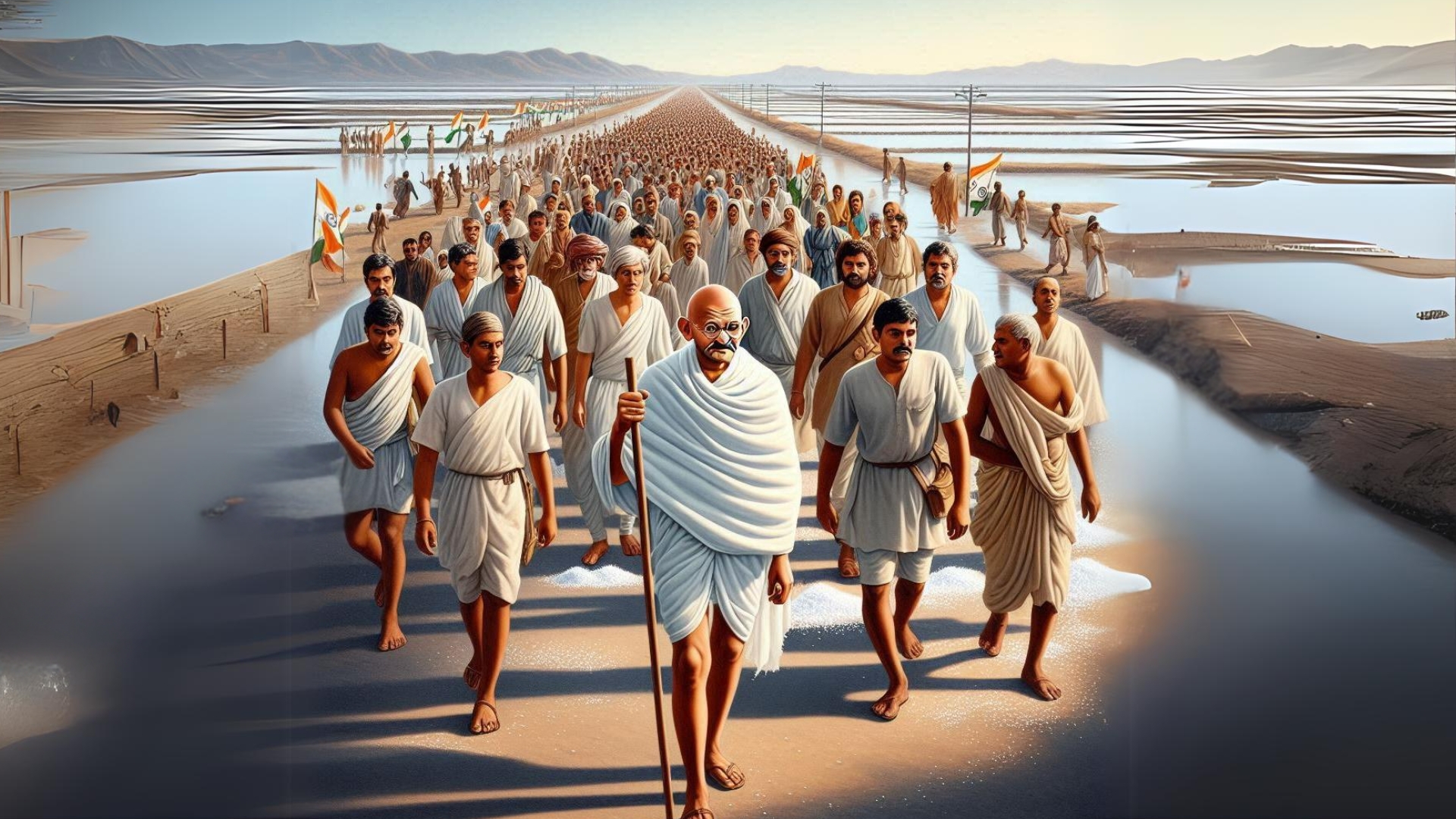
While there were gaps in the timeline, the core of passive resistance was always about maintaining a peaceful, steady pressure. Gandhi moved at a deliberate pace. In 1930, he led the Salt March, one of the most iconic moments in the history of civil disobedience. To protest the British monopoly on salt production, Gandhi walked 385 kilometers to the sea to collect his own salt. This simple act inspired millions of Indians to engage in passive resistance against British law.
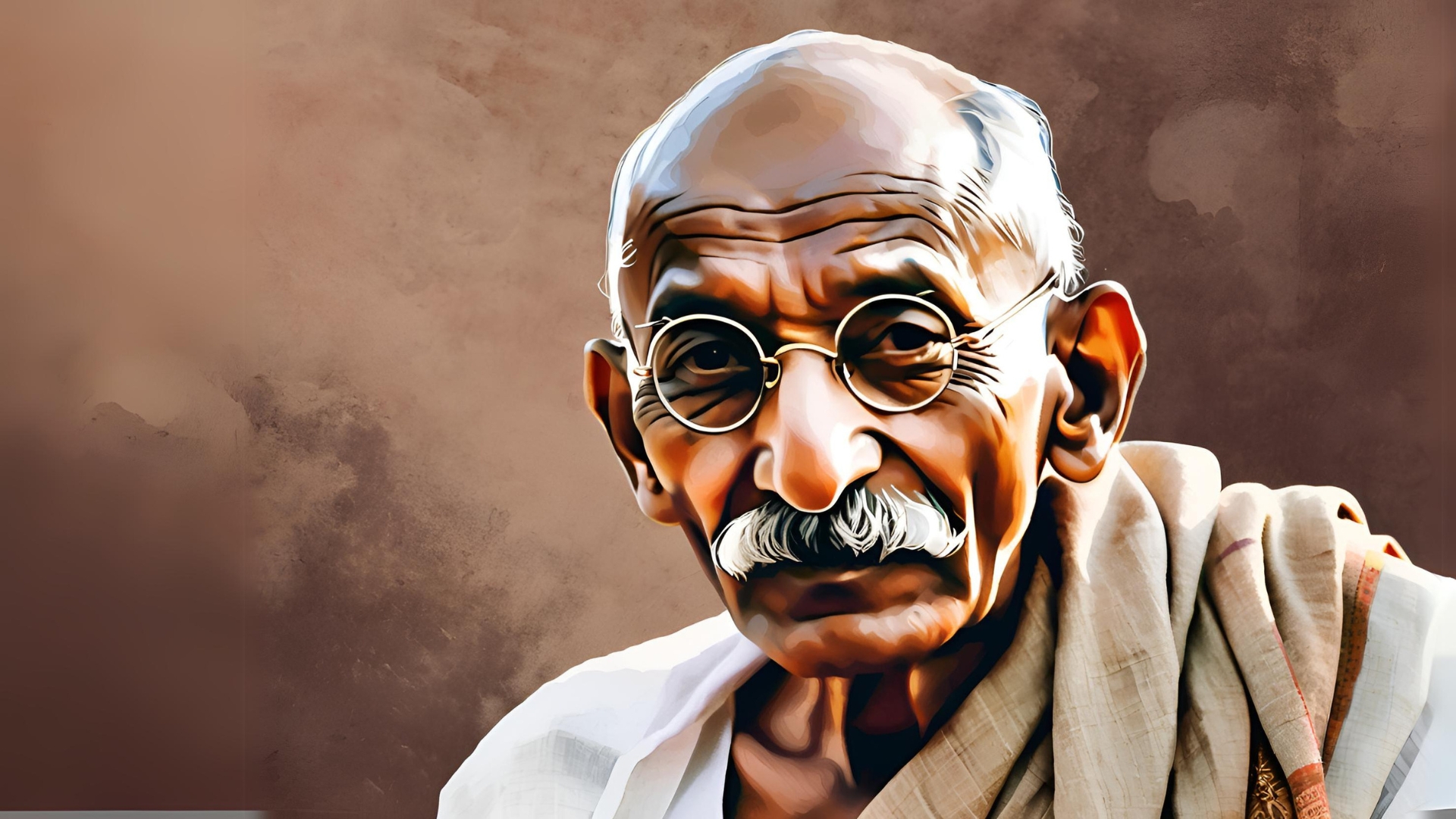
Did this single protest win independence? No. But it taught his followers how to organize and resist. When World War II broke out, Britain dragged India into the conflict without consulting Indian leaders. When they weren’t promised independence in return, Gandhi launched the “Quit India” movement in 1942, triggering a massive wave of civil unrest. The post-war economic strain eventually broke the British Empire’s ability to keep a stranglehold on India.
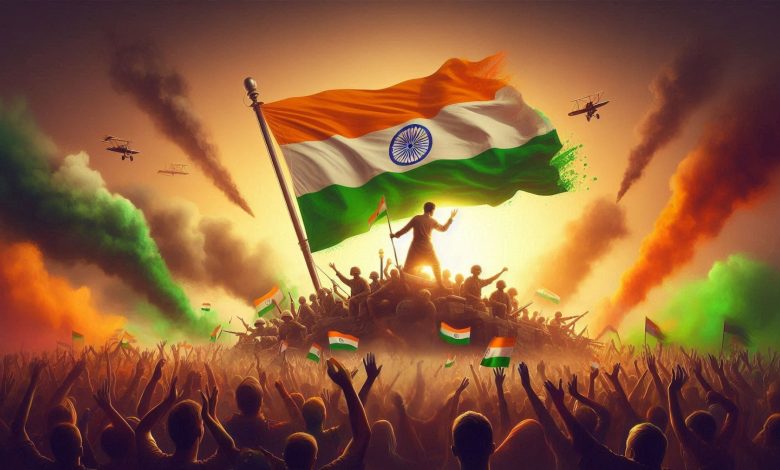
Finally, on August 15, 1947, India gained its independence. But freedom came at a heartbreaking cost. Years of colonial “divide and rule” tactics had deepened religious and ethnic tensions. In the push for a separate state for Muslims, Pakistan was partitioned from India. This split triggered mass migrations and horrific violence; millions were forced to flee their homes, leaving behind a legacy of deep trauma.
Yet, at the end of the day, India and Pakistan had achieved their sovereignty, and throughout that long, grueling struggle, Gandhi had managed to keep the focus on minimizing violence. And that is how the modern nations of India and Pakistan were born.
References and Further Reading
Alam, M., Thapar, R., Spear, T. P., Allchin, F. R., Schwartzberg, J. E., Subrahmanyam, S., Wolpert, S. A., Calkins, P. B., Dikshit, K., Srivastava, A., Champakalakshmi, R., & Raikar, S. P. (2024, October 10). India | History, Map, Population, Economy, & Facts. Encyclopedia Britannica. https://www.britannica.com/place/India/History
Nanda, B. (2024, October 5). Mahatma Gandhi | Biography, Education, Religion, Accomplishments, Death, & Facts. Encyclopedia Britannica. https://www.britannica.com/biography/Mahatma-Gandhi
Raikar, S. P., & Bunting, T. (2024, October 10). Battle of Plassey | Background, Battle, impact, legacy, & Facts. Encyclopedia Britannica. https://www.britannica.com/event/Battle-of-Plassey
The Editors of Encyclopaedia Britannica. (2024, September 13). Indian Mutiny | History, Causes, Effects, Summary, & facts. Encyclopedia Britannica. https://www.britannica.com/event/Indian-Mutiny
Wolpert, S. A., Spear, T. P., Thapar, R., Raikar, S. P., Schwartzberg, J. E., Champakalakshmi, R., Dikshit, K., Allchin, F. R., Srivastava, A., Alam, M., Subrahmanyam, S., & Calkins, P. B. (2024, October 10). India | History, Map, Population, Economy, & Facts. Encyclopedia Britannica. https://www.britannica.com/place/India
Originally published in Turkish at Doğa Filozofu.