


Every era of philosophy is wrapped in its own unique set of themes and preoccupations. As we touched on in the previous piece in this series, Ancient Greece and Philosophy, the thinkers of that time were obsessed with questions like how to live a good life and what the fundamental “essence” of all matter might be. When we arrive at the Middle Ages, those questions naturally took a backseat to a new set of concerns. Let’s dive in and get to know these questions—and the people who asked them—a little better.
The 1st–6th Centuries
We shouldn’t just leap over a thousand years of history without looking at the bridge between the Ancient world and the Middle Ages, right? During this period, Christian thinkers took the mantle of Greek philosophy and worked to adapt it to their own culture and religion. In other words, they hadn’t quite said goodbye to the Ancients yet. Let’s look at how this translation of ideas worked in practice. They explored, for instance, how to reconcile Plato’s “world of forms” and his theory of ideas—which we discussed last time—with Christian belief. Another example would be their attempts to merge the ethical values of Aristotle and the Ancient Greeks with a Christian worldview. Whether they succeeded is, of course, a matter of debate. Ultimately, this period was dominated by the philosophy of religion. Especially after 300 A.D., a more rational approach began to take hold. Faith was supplemented with logical reasoning, but the overarching Christian emphasis remained the bedrock.
It was right here that one of the biggest topics in the history of philosophy emerged: The Problem of Evil.
The Problem of Evil
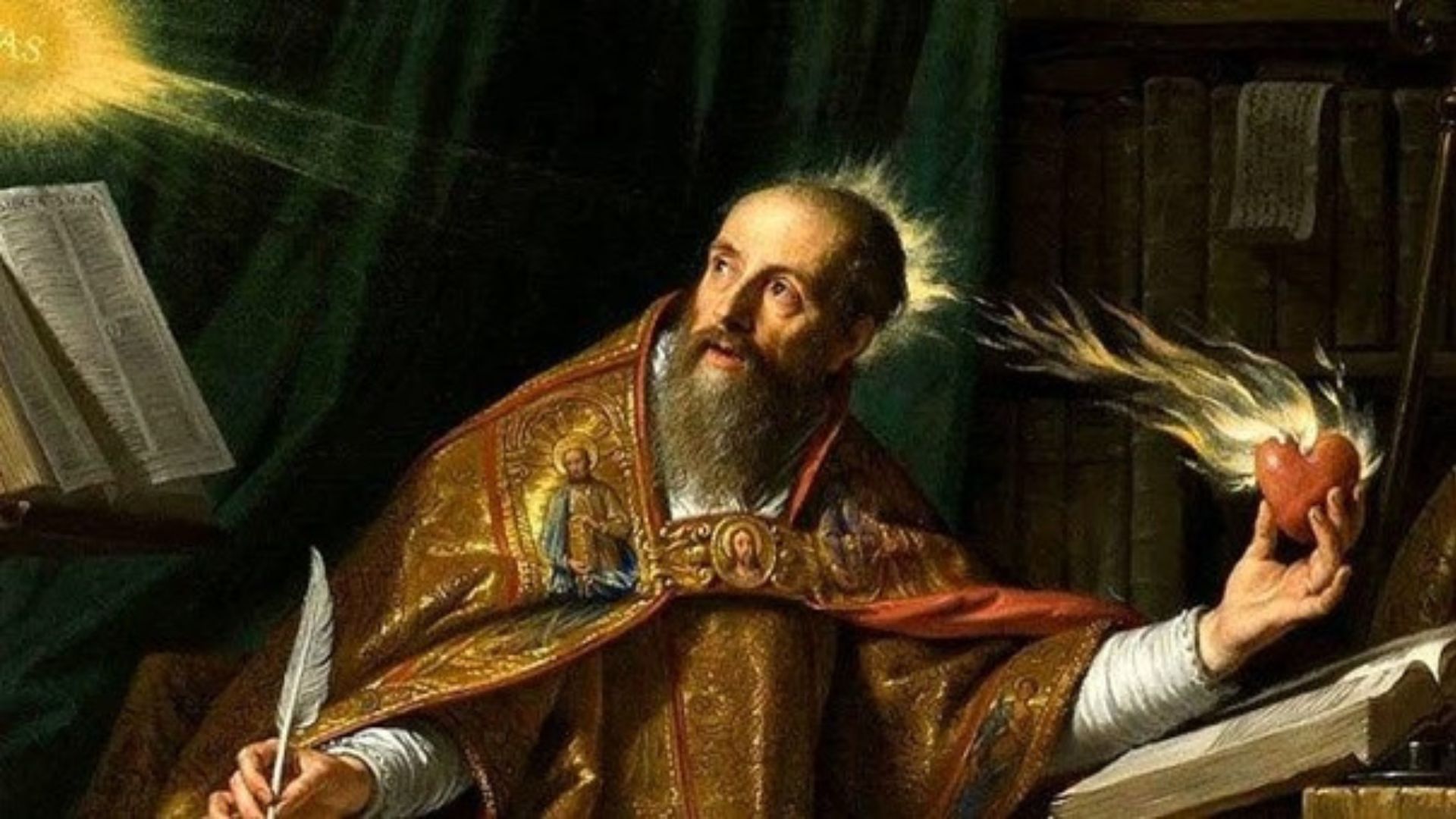
The logical problem of evil suggests that the existence of evil is logically incompatible with the existence of a God who is all-powerful, all-knowing, and perfectly good. The argument can be boiled down to this:
- God is omnipotent (all-powerful).
- God is omniscient (all-knowing).
- God is omnibenevolent (perfectly good).
- Evil exists.
When you look at these premises together, it’s argued that they cannot all be true at the same time. If God is all-powerful, He could stop evil. If He is all-knowing, He knows evil exists. If He is perfectly good, He would want to prevent it. Therefore, the existence of evil seems to contradict the existence of such a God. While this argument holds weight in formal logic, many philosophers of faith have pushed back, arguing that the concept of God shouldn’t be defined in such a restrictive way. They reject the premise that “God is perfectly good” necessarily means “evil cannot exist.” One side argued, “If God had left a piece of Himself in us or nature, that logic might hold, but He didn’t.” The Problem of Evil is essentially the ongoing tug-of-war between these two perspectives.
We’ll leave this period for now, though we should note that great minds like Boethius developed incredible arguments and systems during this time. Of course, they all did work so significant that it would take volumes to cover them properly, and trying to cram it all into this one post would be a bit exhausting for all of us!
After the 8th century, the Christian approach was joined by a new effort: the attempt to prove the existence of God through philosophy. The narrative of Pascal, which we’ve mentioned before, is actually a great example of this. The ultimate goal was to present an argument for God’s existence that was both convincing and irrefutable. This is how we moved into the Middle Ages proper—let’s pick up the story from just a little further along.
Aquinas and His Era
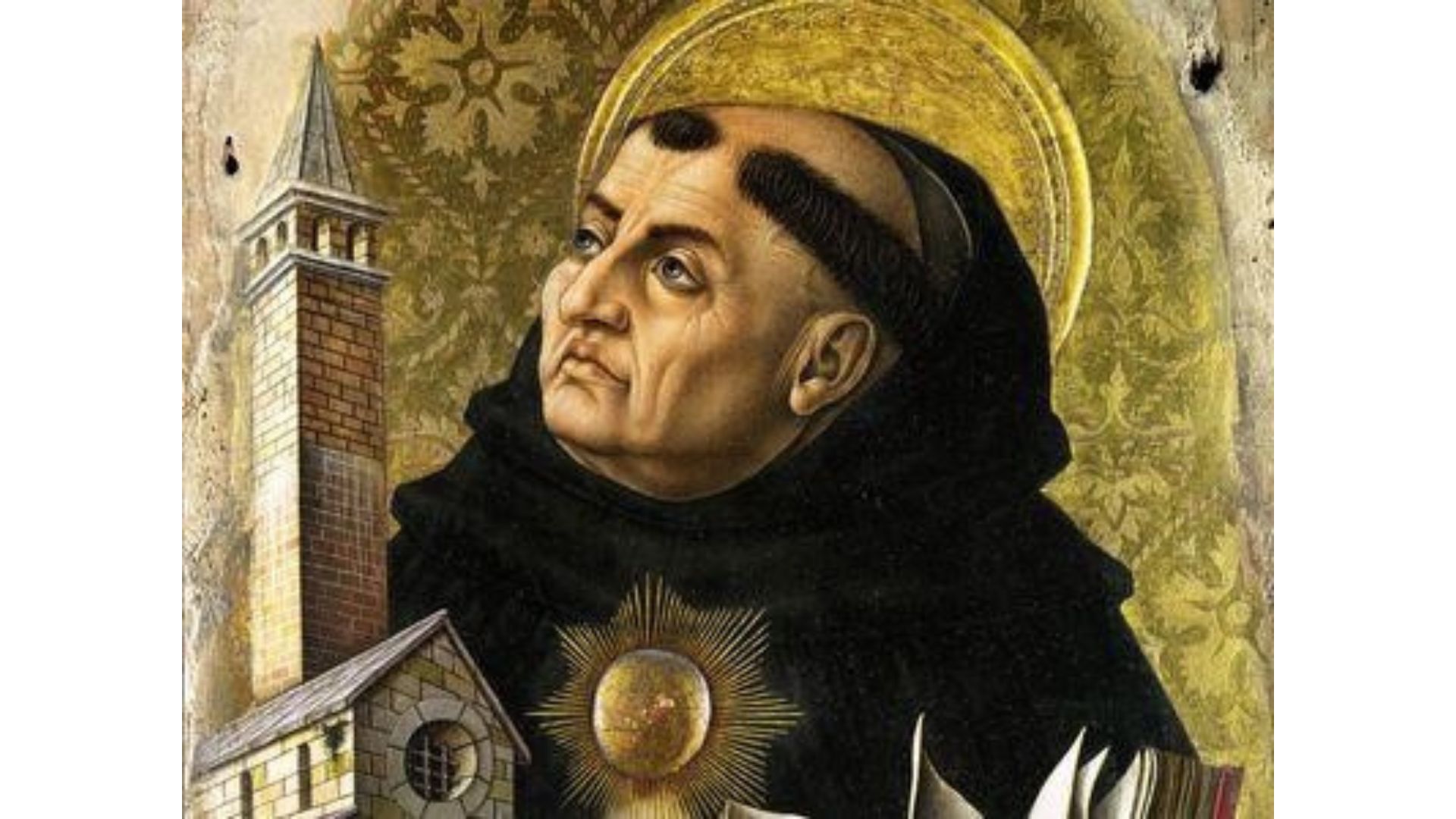
During this time, the synthesis of Aristotelian philosophy and Christian theology emerged as a major development. In his work “Summa Theologica,” Thomas Aquinas combined Aristotle’s metaphysics with Christian doctrine; that synthesis, which had been attempted for centuries, finally found its success through him. Aquinas argued that reason and revelation (faith) complement one another. He developed arguments for the existence of God, debated the nature of the soul, and explored how human knowledge is acquired. By developing his theory of natural law, Aquinas argued that moral principles are embedded in human nature and can be discovered through reason. In a sense, he argued that God left clues in nature that lead back to Him, and that we use sciences like physics to understand those clues.
Aquinas also proposed that there are five ways to prove the existence of God, which we can summarize as follows:
- The Argument from Motion: Aquinas noted that everything in the world is in motion. But there must be an “unmoved mover” who started it all, and that is God.
- The Argument from Causation: Everything has a cause. But there must be a “first cause” that set everything in motion, and that is God.
- The Argument from Contingency: Aquinas said that some things exist and others cease to exist. But there must be a being that is always necessary and not dependent on anything else. That is God.
- The Argument from Degrees: Some things in the world are better, more beautiful, or more “true” than others. But there must be a standard of the “most” good, “most” beautiful, and “most” true. That is God.
- The Argument from Design (Teleological): Everything has a purpose. But there must be someone who determined those purposes. That is God.
According to him, these five paths make the existence of God much clearer to us. Aquinas is a giant in the history of philosophy precisely because he sought to bridge the gap between reason and faith—and succeeded more effectively than anyone before him.

As the years went by, other questions began to nudge their way into the conversation. Or rather, they were always being asked, but they started to demand more space. During this period, the subjects of religion and God had sprawled across the entire sofa, leaving other questions to sit awkwardly on the armrests. Eventually, those other questions started finding their way onto the cushions, too. The topics you’ll see in our next posts were focused on finding the truth. The one, singular truth… That’s what thinkers like Descartes and Spinoza chased. Did they find it? Well, we’ll see that together in the articles to come.
References and Further Reading
CrashCourse. (2016, May 9). The Problem of Evil: Crash Course Philosophy #13 [Video]. YouTube. https://www.youtube.com/watch?v=9AzNEG1GB-k
Maurer, A. (2023, May 19). Medieval philosophy | History, Philosophers, Neoplatonism, Aristotelianism, & Scholasticism. Encyclopedia Britannica. https://www.britannica.com/topic/medieval-philosophy
Medieval Philosophy (Stanford Encyclopedia of Philosophy). (2022, September 14). https://plato.stanford.edu/entries/medieval-philosophy/
The Free Will Defence: A Good God vs The Problem of Evil. (2014, November 13). [Video]. BBC. https://www.bbc.co.uk/programmes/p02b97db
The Problem of Evil (Stanford Encyclopedia of Philosophy). (2015, March 3). https://plato.stanford.edu/entries/evil/
Originally published in Turkish at Doğa Filozofu.