

Did you know that chess—seen by some as the most tedious game on Earth and by others as the undisputed king of strategy games—is at least 4,000 years old? In this piece, we’ll dive into the history of chess, from its earliest known origins to the robotic chess masters of today.
Ancient Times
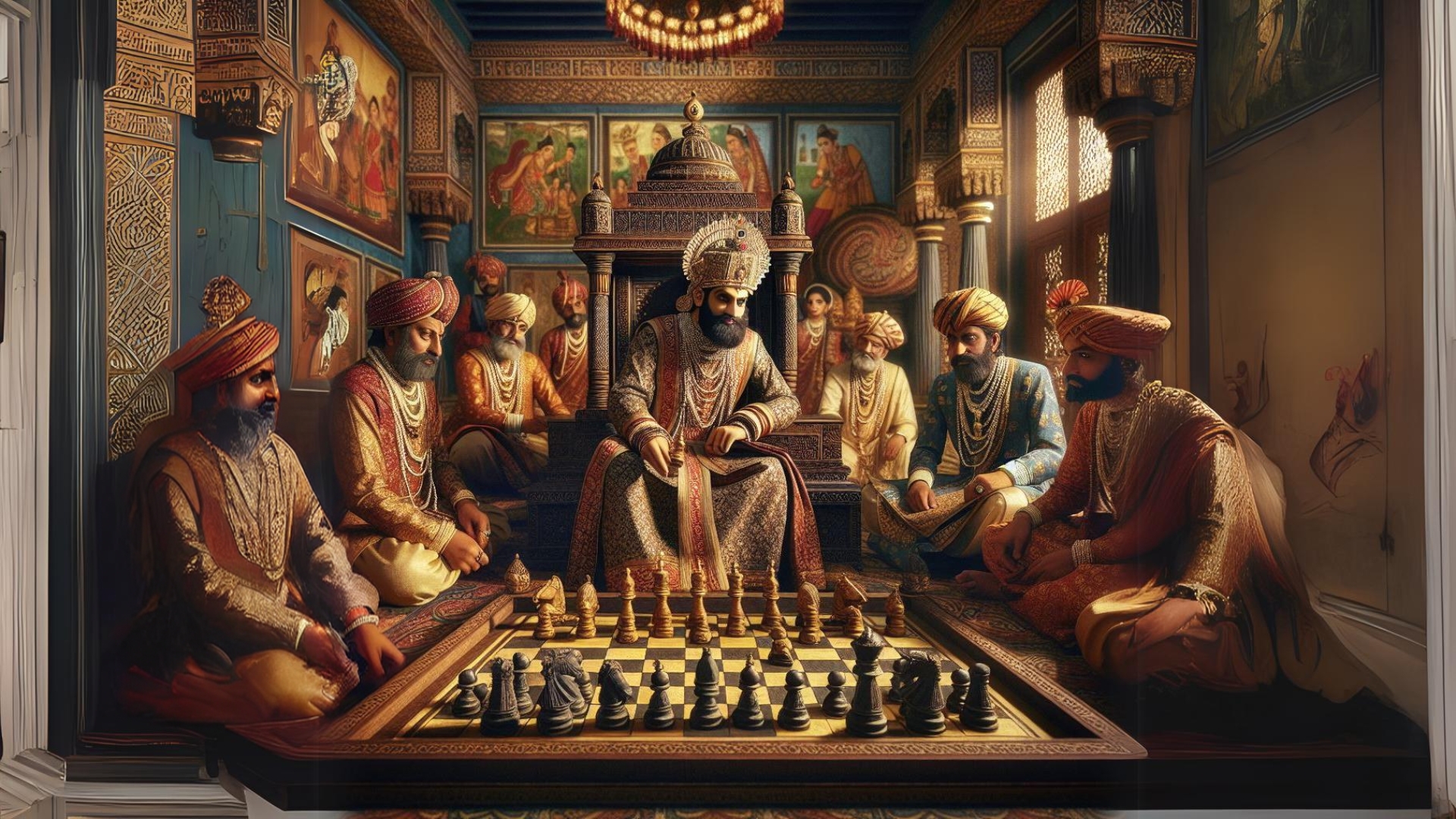
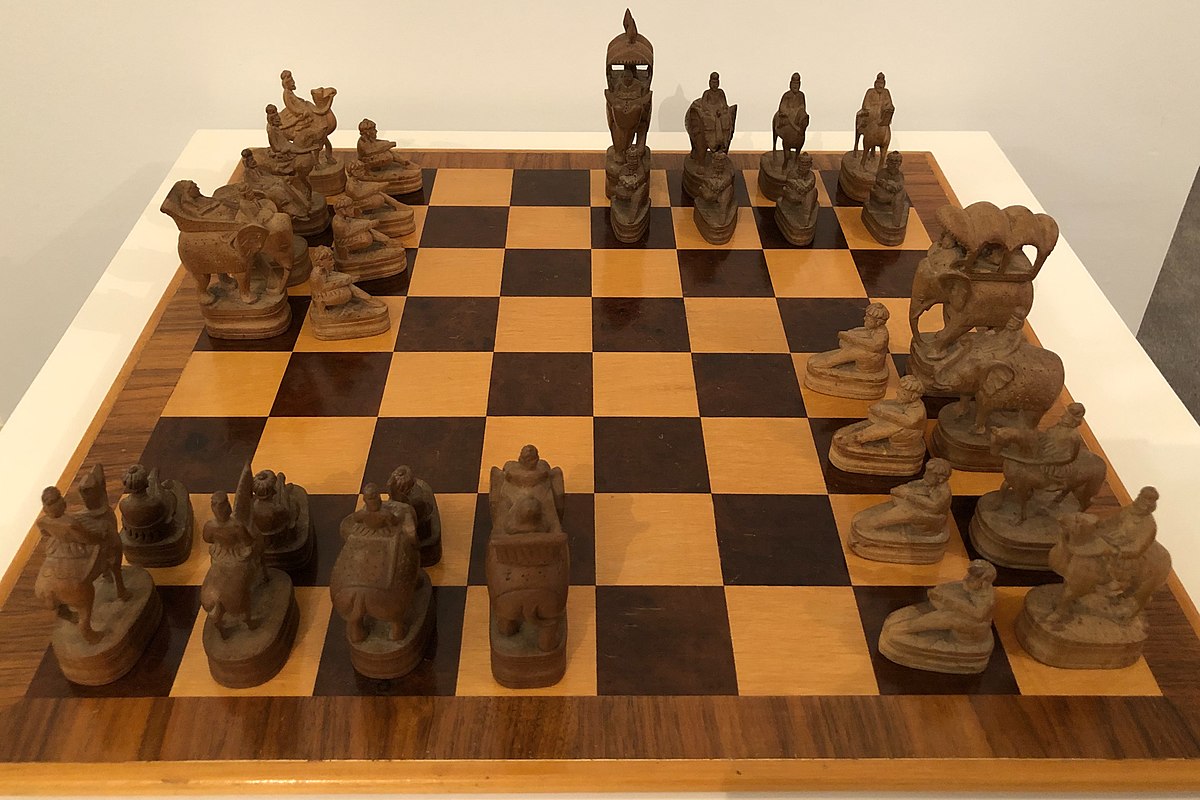
Chess is one of the most deep-rooted games in existence, with a history stretching back to the 6th century. Back then, it wasn’t called chess; it was known by its Sanskrit name, “chaturanga,” meaning “four divisions.” This name referred to the four main military units in the game: infantry (pawns), elephants, cavalry (knights), and chariots (rooks). These four arms mirrored the typical divisions of the Indian army at the time.
The Middle Ages and the Origins of “Checkmate”
Born in India, the game eventually became a staple of royal education for the princes of the Persian Empire.
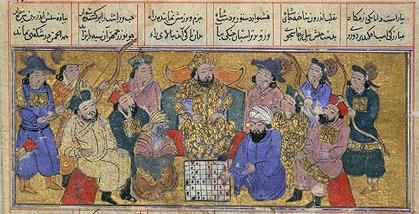
As the Islamic conquests expanded, the game spread across the Middle East and North Africa. Originally called “chatrang” in Persian, the name shifted to “shantranj” in Arabic—a version that might sound familiar if you know the Turkish word for it. Beyond the name, the gameplay and rules evolved too. For instance, when players attacked their opponent’s king, they began to shout “Shāh!” (Persian for “King!”). And when the king was under attack and had nowhere to run, they declared “Shāh Māt!” (Persian for “the king is helpless”).
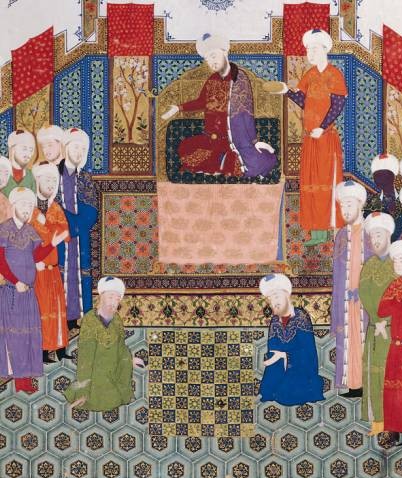
By the 10th century, chess had become a cultural staple for Muslim merchants, eventually reaching Russia, Greece, and—by way of Sicily and Spain—the rest of Europe. During this period, the names of the pieces were adapted to fit local languages and cultures. Despite resistance from the church, the game became wildly popular, and in the 15th century, the movement of certain pieces was changed, bringing the game remarkably close to the modern version we know today.
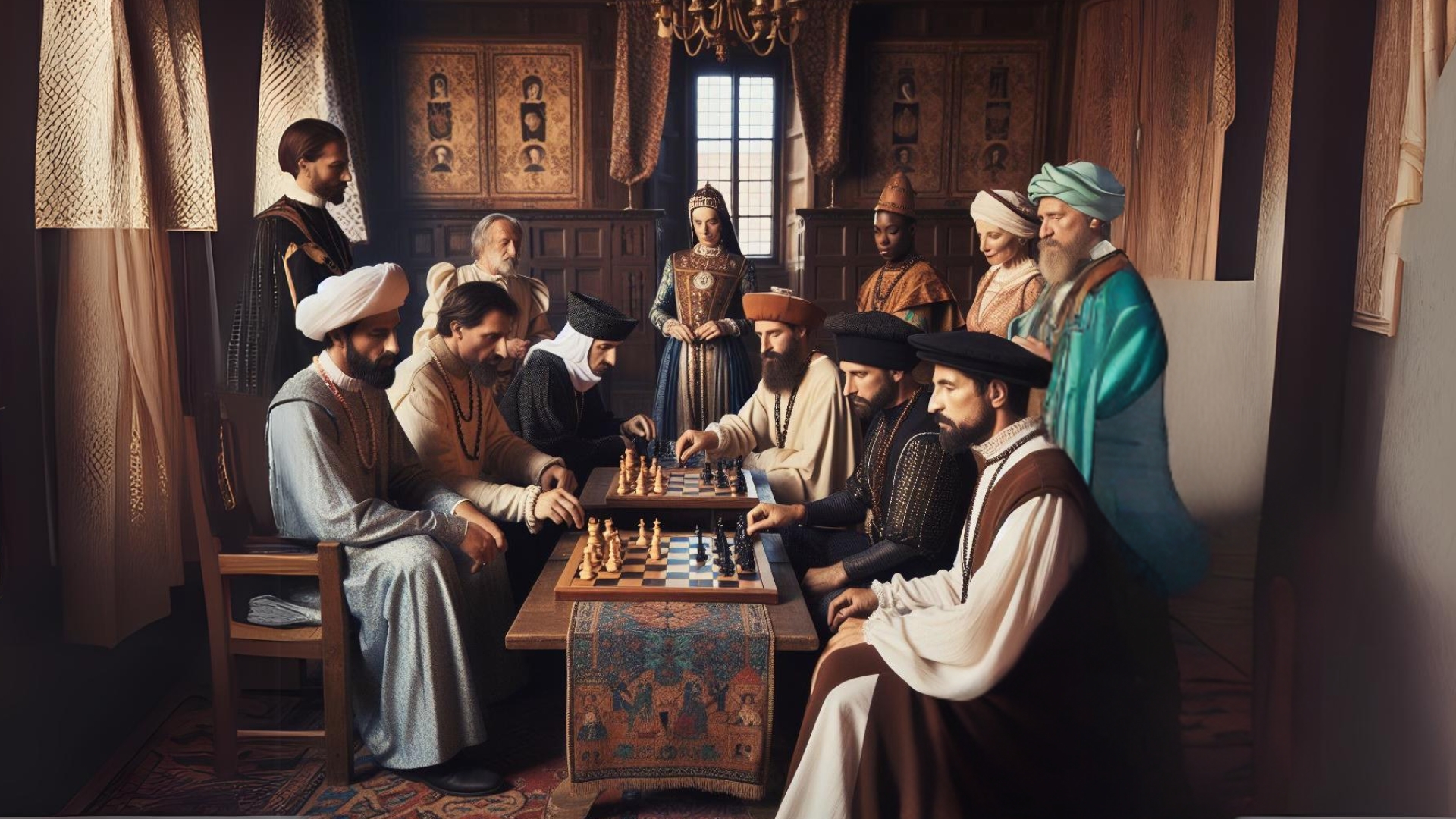
The Foundations of Modern Chess
The 19th and 20th centuries are widely considered the golden age of chess. By the mid-19th century, the rules were finally standardized, leading to the first international chess tournament in London in 1851. The tournament was won by the German master Adolf Anderssen. While Anderssen was the star of the show, his time at the top would be short-lived.
The American Paul Morphy burst onto the scene, fundamentally changing how the game was understood. Even in his early appearances, Morphy became an instant idol.
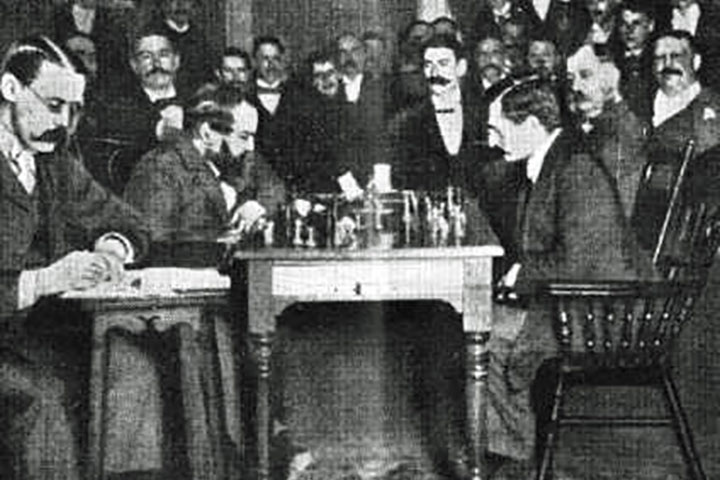
But the world was seeing a surge in chess geniuses. Later, with the arrival of Wilhelm Steinitz, chess theory expanded significantly. He taught players not only how to create and exploit weaknesses in an opponent’s position but also how to avoid them in their own. His concept of “positional features” became the building blocks of modern chess.
Furthermore, in his 1886 match against Johannes Zukertort, Steinitz secured 10 wins, 5 draws, and 5 losses over 20 games, becoming the first official world chess champion. The German mathematician Emanuel Lasker took the title from Steinitz in 1894 and held it for 27 years, making him the longest-reigning champion in history.
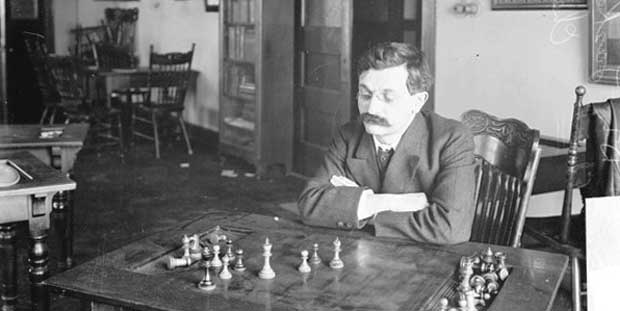
Toward the end of the 19th century, with the number of tournaments on the rise, chess became a truly prominent activity. While some sources claim that the title of “Grandmaster” was first bestowed upon Lasker, Capablanca, Alekhine, Tarrasch, and Marshall by Tsar Nicholas II of Russia, this claim remains a subject of debate.
It wasn’t until the 20th century that chess was officially recognized as an international sport, leading to the creation of formal federations. The 1920s and 30s were a massive era for the rise of champions and international events.

Today’s most influential governing body, FIDE (Fédération Internationale des Échecs), was founded in Paris in 1924. With FIDE, titles like “Grandmaster” became formalized and traditional.
In 1927, led by Czech-English master Vera Menchik, the Women’s World Chess Championship was established.
Chess During and After World War I
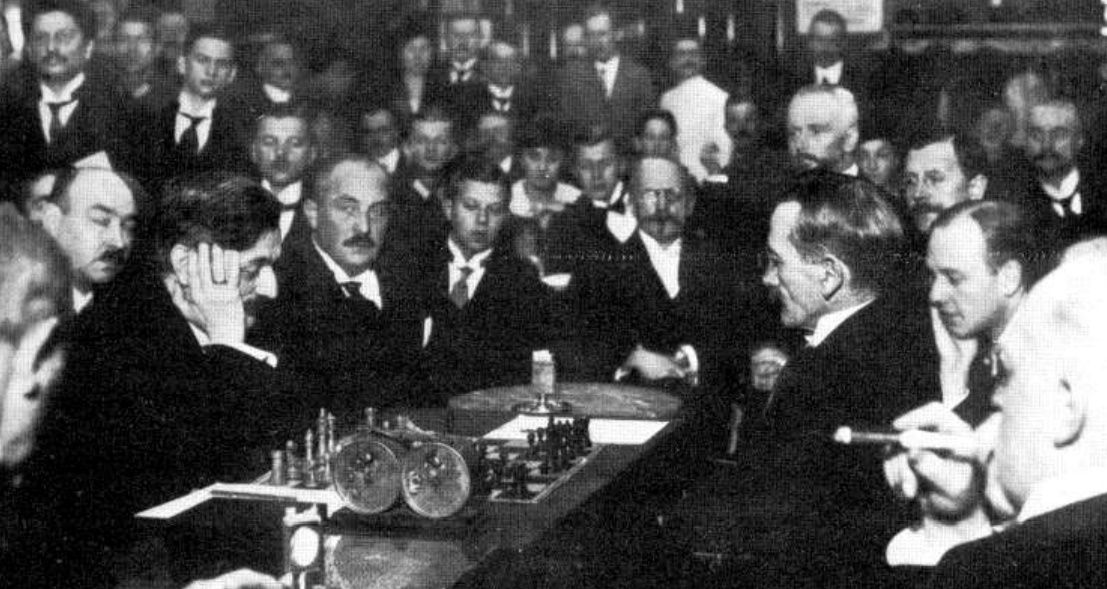
The Start of the War (1939): The Halt of Chess Tournaments
With the outbreak of World War I, many international tournaments were canceled, and chess activity largely ground to a halt. Despite the hardships, many players kept the game alive through local tournaments and underground matches. However, the loss of several grandmasters during the conflict left a direct, tragic mark on the chess world, hindering the game’s progress.
The Rise of FIDE and the World Chess Federation
By 1946, FIDE began working to restore chess to its former popularity. In this era, legendary names in the chess world did everything they could to reorganize international events. These efforts eventually cemented FIDE as the global authority for organizing chess tournaments.
The Soviet Chess School and the Politicization of Chess
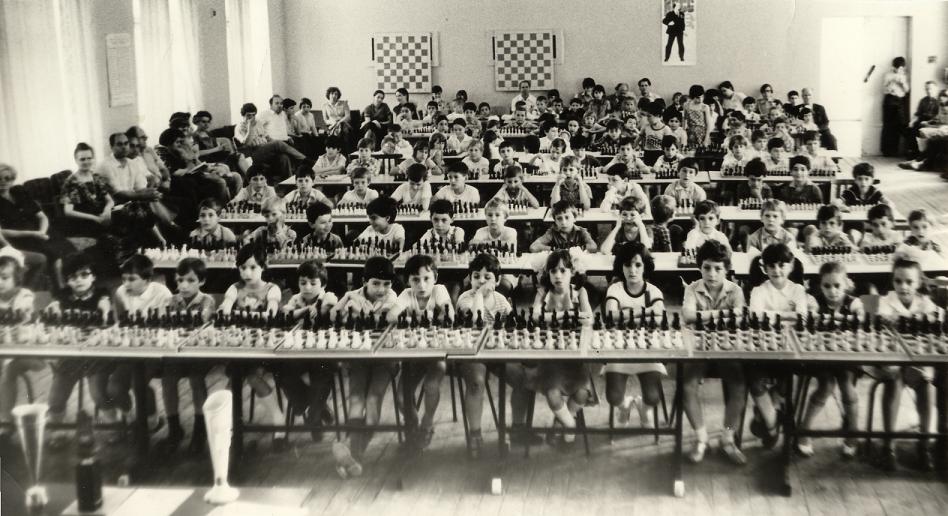
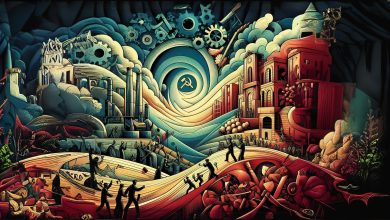
The Soviet Union utilized chess as both a national sport and an ideological tool. The Soviet government saw success in chess as proof of the superiority of the socialist system. During this era, names like Mikhail Botvinnik, Vasily Smyslov, and Tigran Petrosian dominated the world stage.
Chess During the Cold War
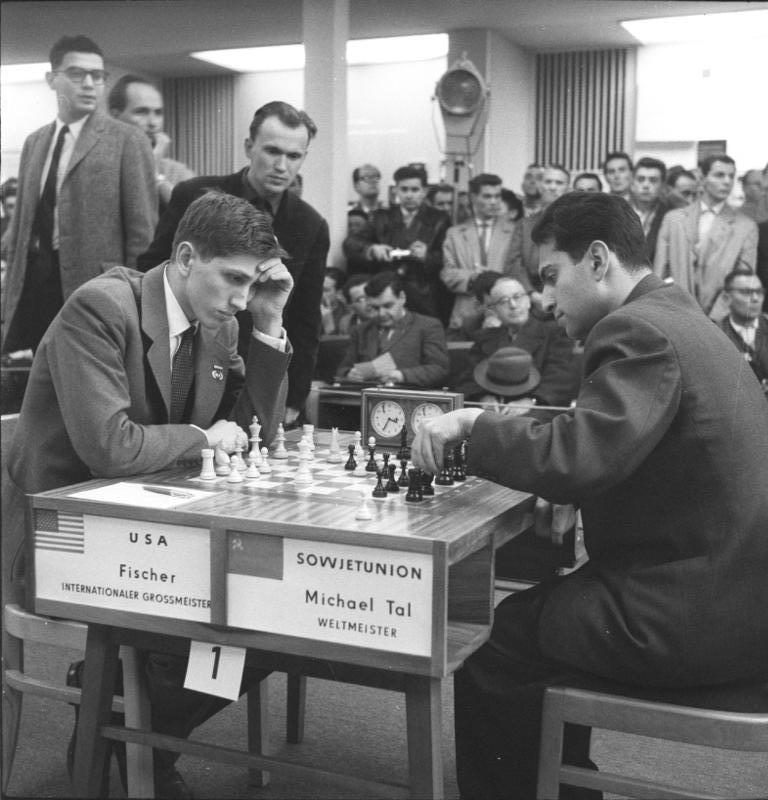
During the Cold War, chess became a symbolic battlefield for the competition between the Western and Eastern Blocs. World championship matches were about much more than just a game; they were viewed as a demonstration of political power. The long-standing Soviet dominance finally ended in 1972 when Bobby Fischer defeated Boris Spassky. However, the intense political and public pressure following that victory took a heavy toll on Fischer’s mental health.
Bobby Fischer and the Rise of the West
When American Bobby Fischer defeated Boris Spassky in 1972 to become world champion, it was seen as a historic breakthrough that shattered Soviet dominance. Fischer’s unique playing style and persona left a deep impression on chess lovers and catapulted the game’s popularity to new heights worldwide.
The Evolution of Technology and Chess
By the late 1970s, computers emerged, changing not just the chess world, but the entire world. Early programs were developed to analyze games and assist players. From the 1980s onward, computers became a key tool in chess training and strategic development.
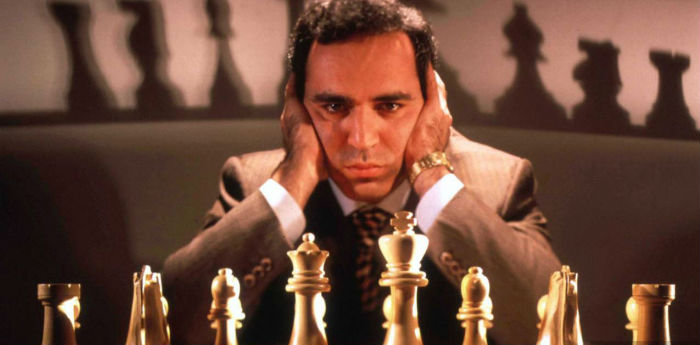
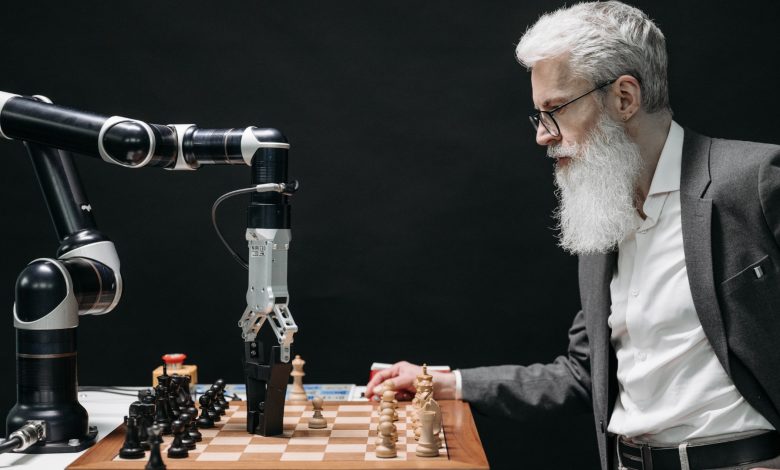
But there is one event regarding computers and chess that everyone knows: the showdown between Kasparov and AI. The 1997 match between Garry Kasparov and the “Deep Blue” supercomputer, developed by International Business Machines (IBM), is considered a turning point in chess history.
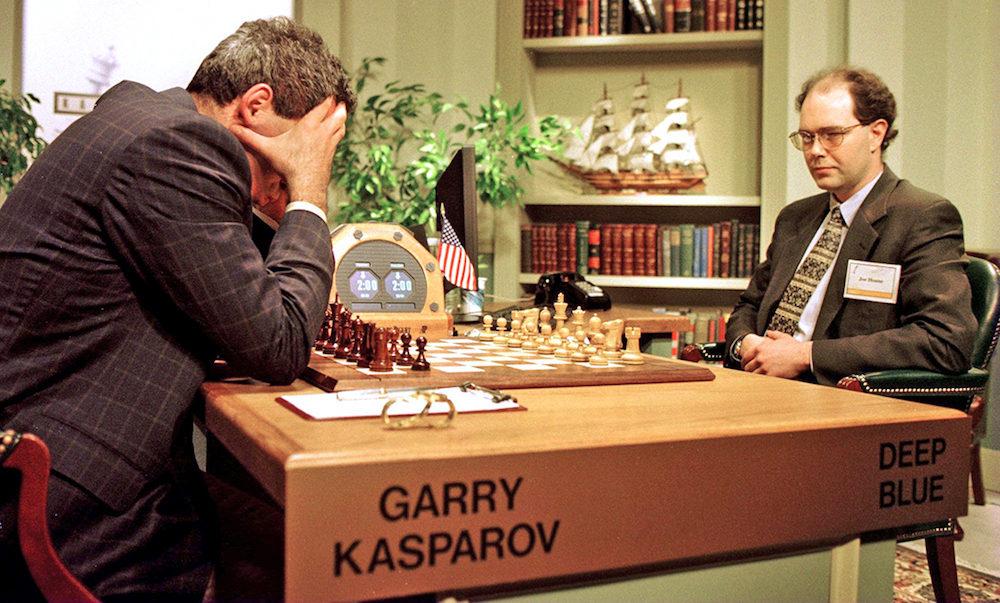
Although Kasparov won their first encounter in 1996 with a 4-2 score, he lost the 1997 rematch to Deep Blue with a score of 3.5 – 2.5. This was the first time a computer had ever beaten a reigning world champion. The match became a global sensation, serving as a powerful symbol of the rivalry between human intelligence and artificial intelligence.
The Internet and Online Chess
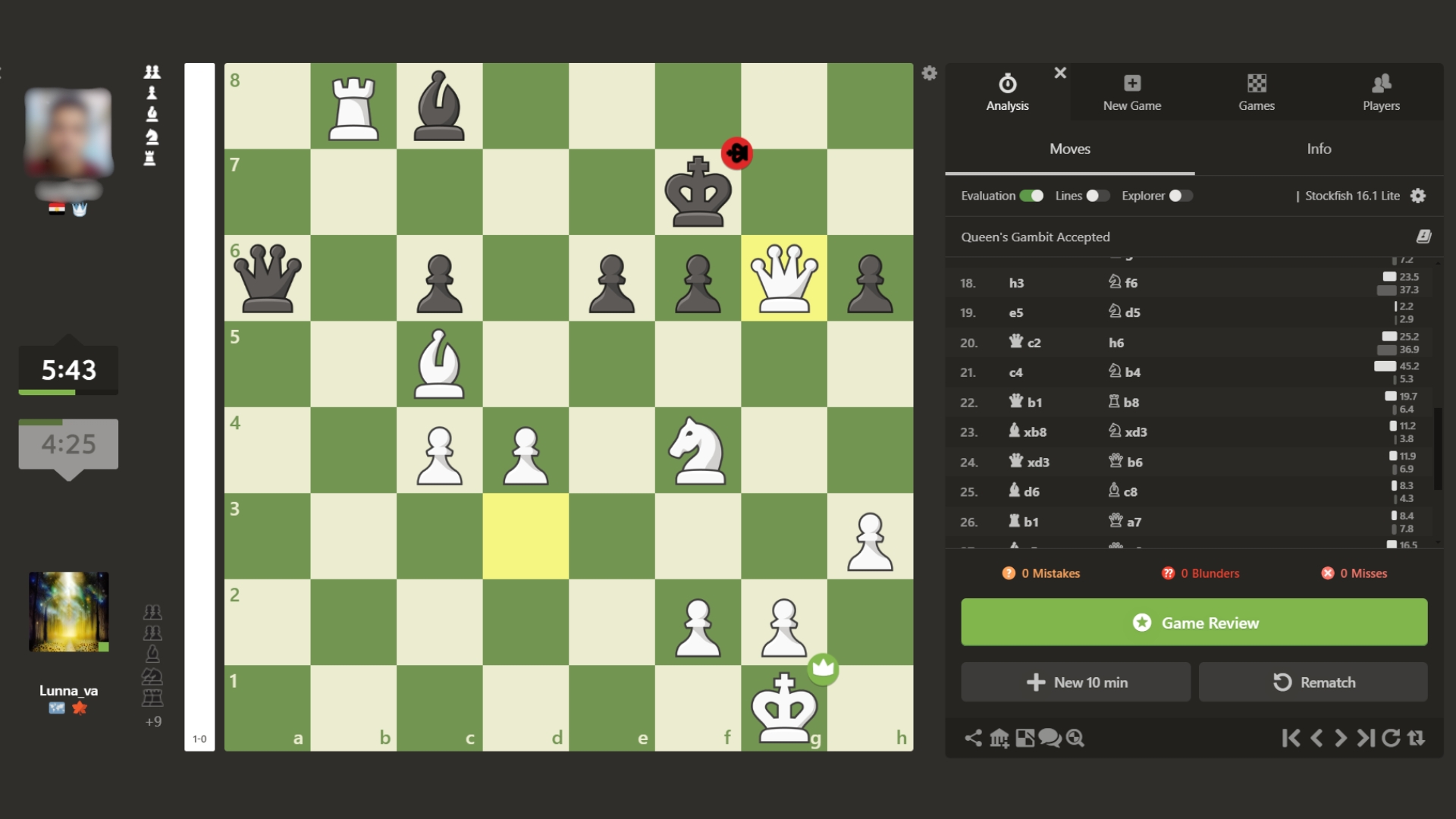
As the internet became widespread in the late 1990s, chess began to be played by massive audiences on online platforms. These platforms made it incredibly easy for players around the world to find opponents, allowing them to play more often and find rivals at their exact skill level. Before this, outside of tournaments, finding someone at your level who wanted to play at that exact moment could be quite a challenge. Platforms like chess.com and lichess have become the most popular destinations for internet chess.
The Evolution of the New Chess World
Today, chess is more advanced than at any other point in history—a trend we’ve come to expect in this game. The reality is that chess is a constantly evolving discipline. Thanks to the accumulated knowledge passed down from generation to generation, the growing interest in the game, and the assistance of AI developed in the late 20th century, each new generation of players is generally stronger and more skilled than their predecessors.
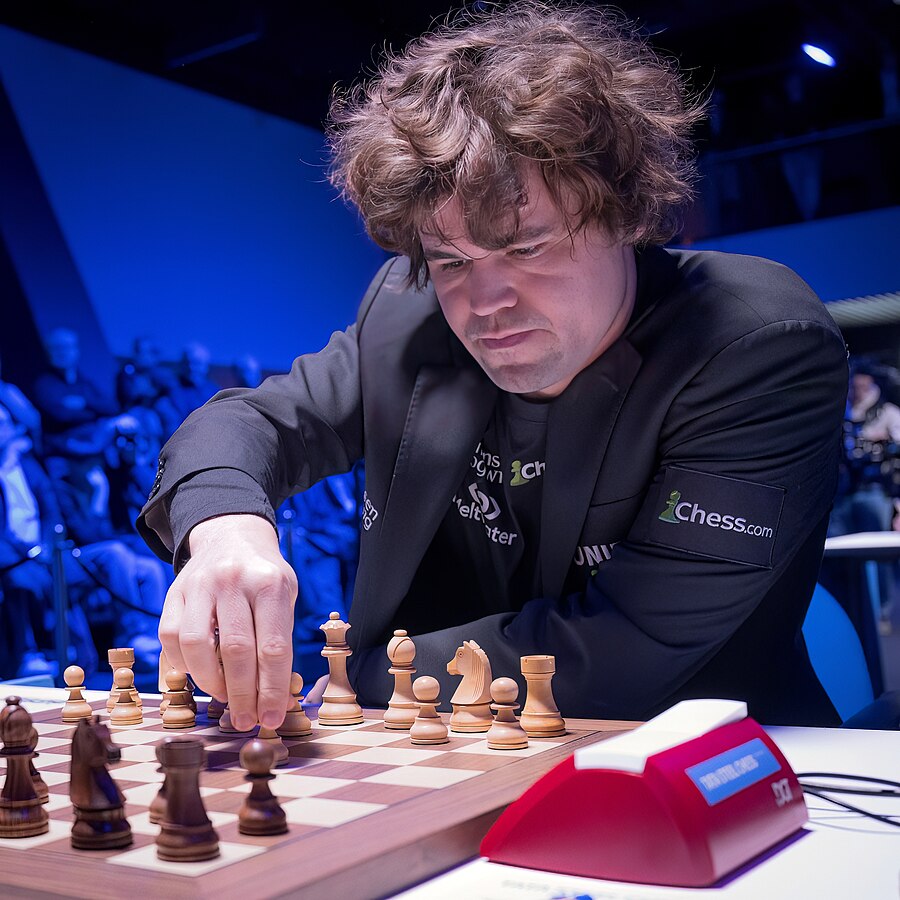
With the emergence of talents like Magnus Carlsen, whom many consider the greatest player in history, the chess world has reached a new dimension. You can easily grasp Carlsen’s mind-blowing talent in the video below.
Carlsen, who defeated Garry Kasparov when he was just 13, became world champion in 2013, though he later declined to participate in the 2023 tournament to defend his title.
Author’s Note
Today, chess is far more than just a board game. With its increased accessibility, it has become a hobby, a sport, and for some, a professional career for people of all ages.

If you’ve never played, we highly recommend giving it a shot. You might just lose yourself in the infinite series of possibilities, the playstyles that fit your personality, and the vibrant global community of tournaments. And if you’re already a player, who knows—maybe one day, in a tournament or on an online platform, we’ll be your opponent! 🙂
You can see a list of all the world champions to date below:
World Champions
|
Name |
Years as World Champion |
| Wilhelm Steinitz | 1886 – 1894 |
| Emanuel Lasker | 1894 – 1921 |
| Jose Raul Capablanca | 1921 – 1927 |
| Alexander Alekhine | 1927 – 1935, 1937 – 1946 |
| Max Euwe | 1935 – 1937 |
| Mikhail Botvinnik | 1948 – 1957, 1958 – 1960, 1961 – 1963 |
| Vassily Smislov | 1957 – 1958 |
| Mikhail Tal | 1960 – 1961 |
| Tigran Petrosian | 1963 – 1969 |
| Boris Spassky | 1969 – 1972 |
| Robert Fischer | 1972 – 1975 |
| Anatoly Karpov | 1975 – 1985, 1993 – 1999 (FIDE) |
| Garry Kasparov | 1985 – 1993 |
| Garry Kasparov | 1993 – 2000 (ACP) |
| Alexander Khalifman | 1999 – 2000 (FIDE) |
| Vladimir Kramnik | 2000 – 2006 (Brain Game, Classical) |
| Viswanathan Anand | 2000 – 2002 (FIDE) |
| Ruslan Ponomariov | 2002 – 2004 (FIDE) |
| Rustam Kasimdzhanov | 2004 – 2005 (FIDE) |
| Veselin Topalov | 2005 – 2006 (FIDE) |
| Vladimir Kramnik | 2006 – 2007 |
| Viswanathan Anand | 2007 – 2013 |
| Magnus Carlsen | 2013 – 2023 |
| Ding Liren | 2023 – 2024 |
| Gukesh Dommaraju | 2024 – … |
References and Further Reading
Bobby Fischer Against the World (2011) ⭐ 7.4 | Documentary, biography, history. (2011, June 6). IMDb. https://www.imdb.com/title/tt1777551/
International Chess Federation. (n.d.). https://www.fide.com/
History of Chess. (n.d.). https://www.tsf.org.tr/federasyon/tarihce
Soltis, A. E. (2024, September 23). Chess | Game, Setup, Board, & Pieces. Encyclopedia Britannica. https://www.britannica.com/topic/chess/History
Stapczynski, C. (2023, March 29). History of Chess | From early stages to Magnus. Chess.com. https://www.chess.com/article/view/history-of-chess
Wikipedia contributors. (2024a, August 31). Deep Blue versus Garry Kasparov. Wikipedia. https://en.wikipedia.org/wiki/Deep_Blue_versus_Garry_Kasparov
Wikipedia contributors. (2024b, October 1). Chess. Wikipedia. https://en.wikipedia.org/wiki/Chess
Originally published in Turkish at Doğa Filozofu.