



Humans are clearly superior to other species in many ways, right? Especially when it comes to the kind of consciousness we’re familiar with. We are creatures capable of anticipating our own mortality, the aging process, the hunger we’ll feel in an hour, that dentist appointment next week, and a whole host of future events. We belong to a class of beings exceptionally skilled at understanding cause-and-effect relationships. It’s also obvious that we are leaps and bounds ahead in terms of both imagination and curiosity.
This curiosity and imagination have driven us to ask questions. Perhaps the most significant and popular of these concerns aliens. The question of whether there is life beyond Earth has been one of the greatest inquiries of the 20th and 21st centuries. We’d like to introduce you to a great mind who asked this very question and came up with his own answer: Nikolai Kardashev.
Nikolai Kardashev
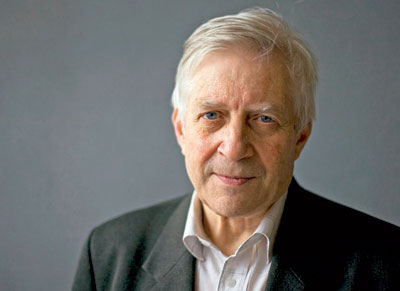
Nikolai Kardashev was a Soviet astrophysicist. To him, extraterrestrial life was highly probable, but Kardashev didn’t approach this merely by asking if aliens existed. He operated under the assumption that such life was a certainty and sought to understand the status of these extraterrestrial civilizations. To that end, in 1964, he proposed a scale that bears his name: the Kardashev Scale. This scale classifies a civilization’s technological development based on its energy consumption capacity. Kardashev divided civilizations into three main categories: Type I, Type II, and Type III. This classification is an approach aimed at understanding how much energy civilizations can produce and utilize across the galaxy.
So, what’s the deal with these civilization types?
Civilization Types
- Planetary Civilizations (Type I)

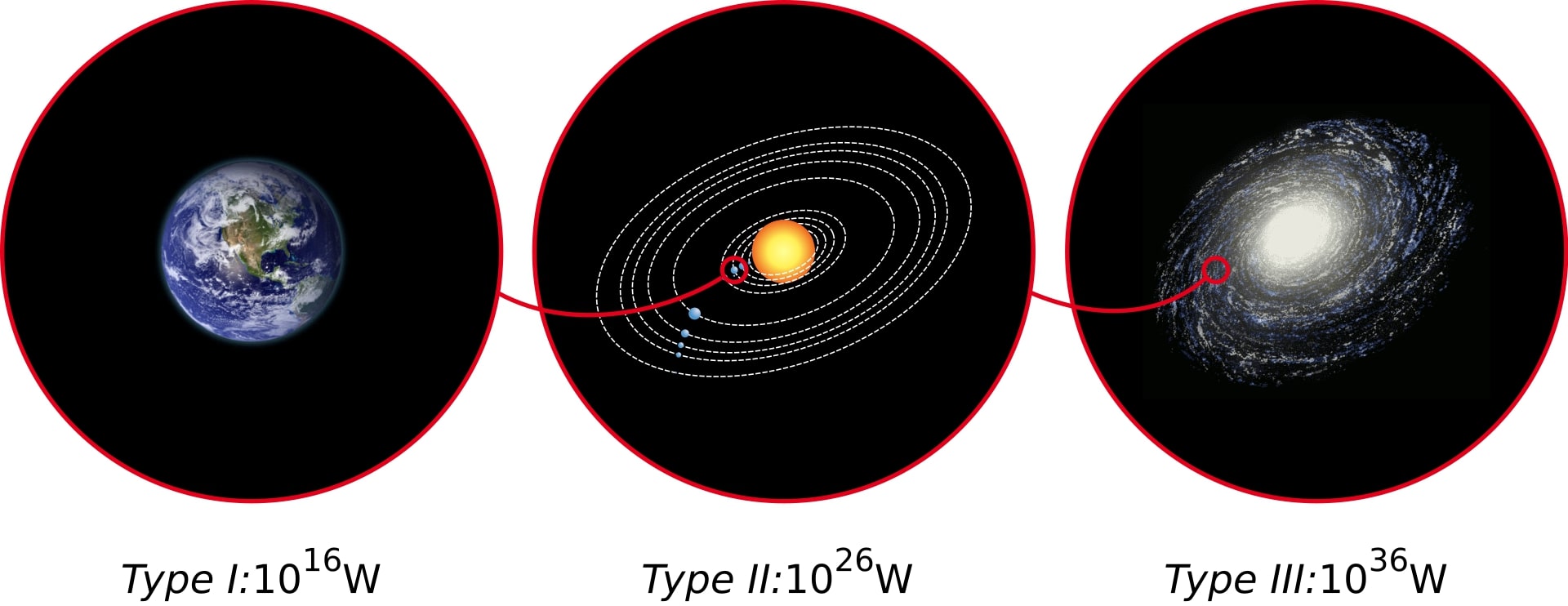
A Type I civilization, or a Planetary Civilization, is one that can fully utilize all the energy resources available on its home planet. This includes various energy sources such as sunlight, wind, oceans, and geothermal energy. The total energy capacity of the planet is roughly 10¹⁶ watts. While human civilization hasn’t reached Type I status yet, according to this scale, it is estimated that we are at about 0.7. In other words, even a Type I civilization is more advanced than we are.
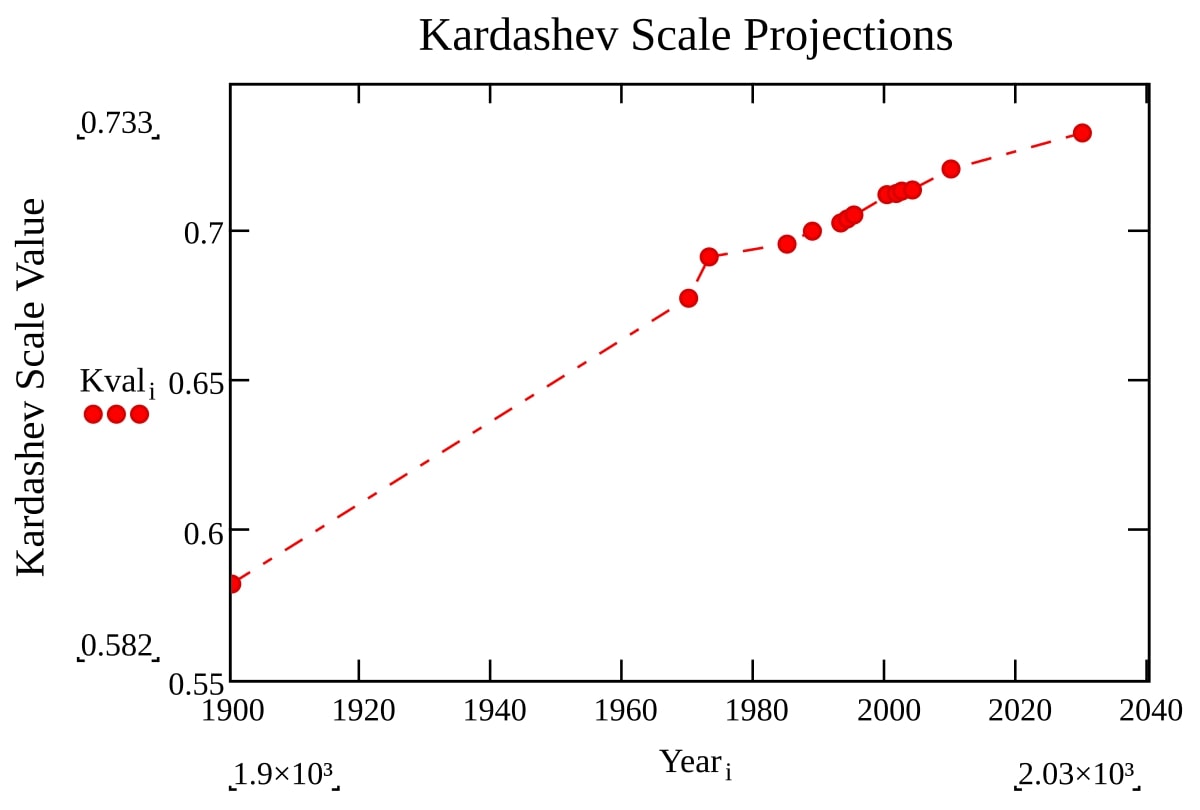
Such civilizations have reached an advanced level in areas like global communication networks, cutting-edge nanotechnology, genetic engineering, and artificial intelligence. This civilization can carry out massive global-scale projects and control natural disasters. So, while we aren’t quite there yet, we can say we are slowly inching toward it.
- Stellar Civilizations (Type II)

Stellar Civilizations are those capable of harnessing the entire energy output of their star (for example, the Sun). This means converting the star’s entire radiation into energy. A civilization of this type could construct theoretical structures like a Dyson Sphere.
Side Note: A Dyson Sphere is the concept of a colossal megastructure that encompasses a star. This structure aims to capture most or all of the energy emitted by the star to power the civilization. Of course, no such structure exists currently; it was born entirely from thought. But who came up with this concept, and why? It was first proposed in 1960 by physicist and mathematician Freeman Dyson. Dyson suggested that such a structure could meet the energy needs of an advanced civilization. Kardashev, in turn, found this theoretical sphere perfectly suited for Type II civilizations.
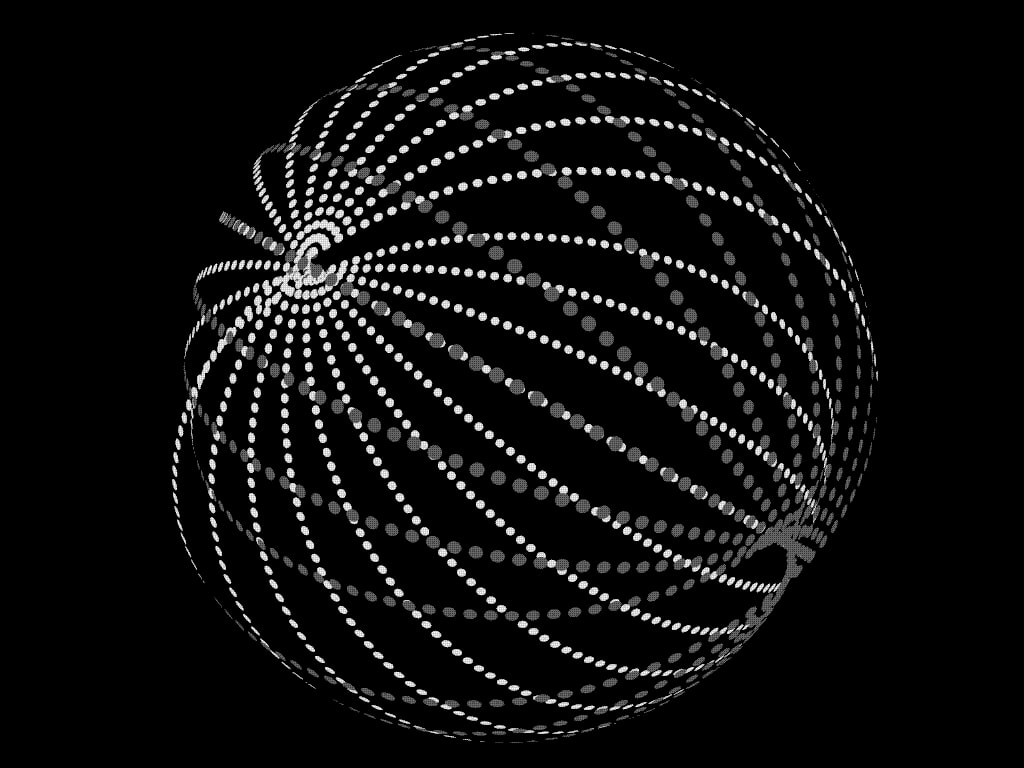
This structure could be a massive construct that encircles a star, like a Dyson Sphere, to collect its energy. The energy capacity of a Type II civilization is roughly 10²⁶ watts.
Such civilizations possess technologies for interstellar travel, interstellar communication, and energy-harvesting stations like Dyson Spheres. They are civilizations that can fully harness solar energy and build habitats in interstellar space.
According to Kardashev’s description, these civilizations might possess life forms far more complex than our own. In fact, post-Kardashev predictions suggest that such civilizations may have moved beyond biological life entirely, expanding into areas like consciousness uploading.
Even so, these types of civilizations have their limits. For instance, they cannot control their own galaxy, right? If they could do that, they would advance to the final stage: a Type III civilization.
- Galactic Civilizations (Type III)

Galactic Civilizations are those capable of obtaining energy from an entire galaxy. This type of civilization could draw energy from every star in the galaxy and possess immense technology. Such a civilization could travel at the speed of light or use black holes as energy sources. The energy capacity of a Type III civilization is roughly 10³⁶ watts.
It is projected that these civilizations could execute galactic-scale engineering projects. Predictions suggest they could access resources in every corner of the galaxy and likely utilize cosmic phenomena like black holes for power. A civilization of this kind could have a powerful presence throughout the galaxy.
A General Analysis of the Kardashev Scale
Kardashev’s scale ends here, but those who have continued his work suggest that Type IV and Type V civilizations could exist, and that they might go even further. For example, a potential Type IV civilization is estimated to be one capable of utilizing all the energy in the universe. This would involve harvesting energy from all the galaxies in the universe.
Type V, on the other hand, goes even further, defined as a civilization capable of harnessing the energy of the multiverse. This would be a civilization with nearly god-like powers, able to draw energy from many different universes.

Type II, Type III, and beyond seem like legendary civilizations performing feats we can barely imagine, don’t they? Of course, it must be noted that Kardashev’s work is merely a hypothesis, offering a scale that measures just how far energy usage can actually go. It is, naturally, impossible to fully understand the social structures or physical forms of these civilizations. After all, we are still debating their very existence. For instance, we haven’t encountered any known civilization yet. If you’re curious about the reason for this, we invite you to read our article, “The Fermi Paradox: Seriously, Where Are the Aliens?” What a coincidence that we happen to have such an article. Let’s continue our journey over there!
References and Further Reading
Creighton, J. (2019, August 21). The Kardashev Scale – Can We Advance Beyond a Type 3 Civilization? Futurism. https://futurism.com/the-kardashev-scale-type-i-ii-iii-iv-v-civilization
Hughes, A. (n.d.). Kardashev Scale: What is it and where is Earth listed? BBC Science Focus Magazine. https://www.sciencefocus.com/future-technology/kardashevs-scale
Wiki, C. T. B. U. (n.d.). Kardashev Scale. Beyond Universe Wiki. https://beyond-universe.fandom.com/wiki/Kardashev_Scale
Originally published in Turkish at Doğa Filozofu.