

Imagine an animal so beloved that people spend hours watching videos of it just to brighten their day. Imagine an animal so gentle that, despite its massive size, it wouldn’t dream of attacking anyone. Imagine an animal that has become the literal face of global wildlife conservation. Yes, we’re talking about the panda—the undisputed heavyweight champion of cuteness!
In this article, let’s dive into the lives of these adorable ambassadors of nature and see what makes them tick.
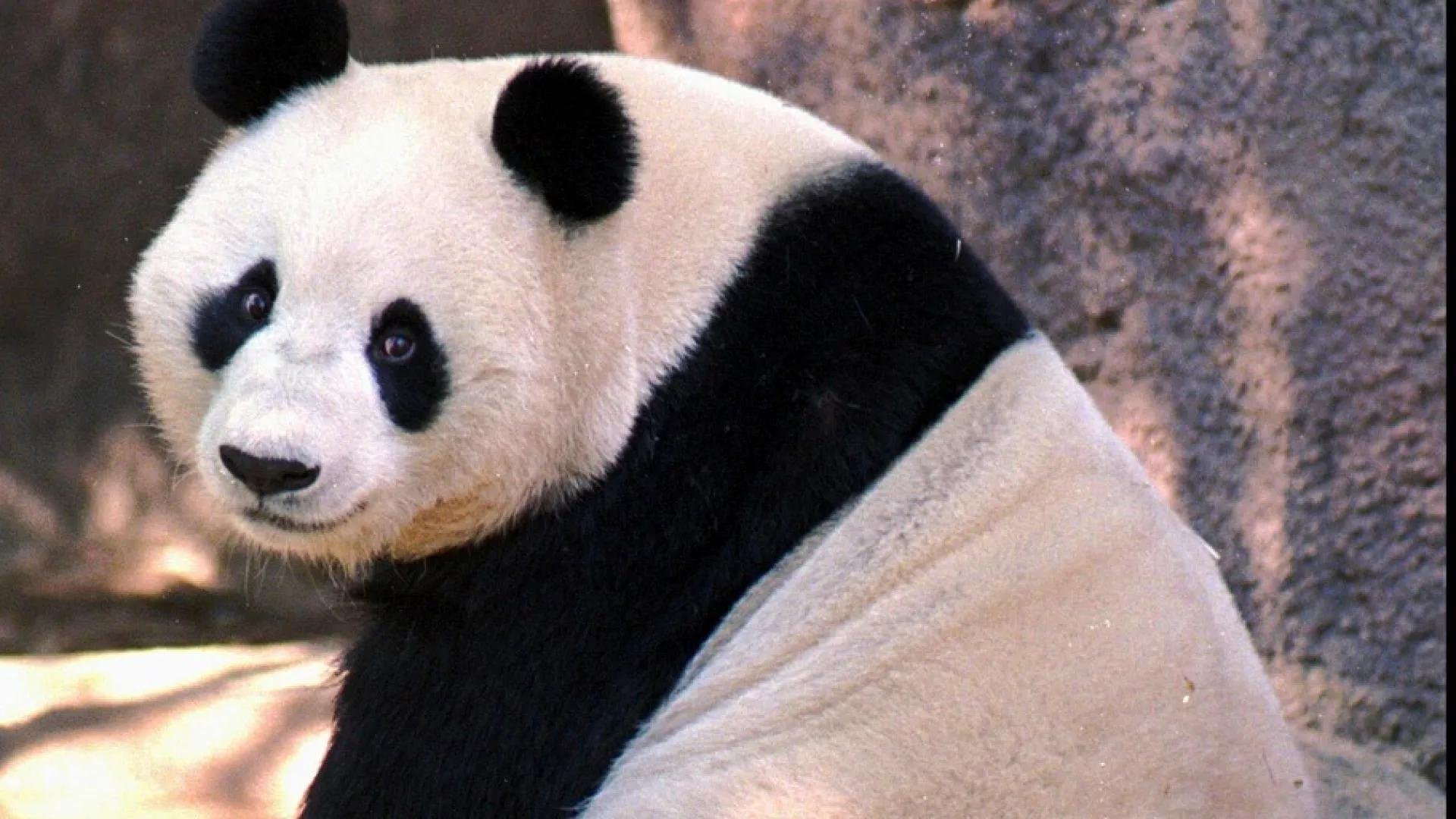
Origins and Evolution
In a previous piece, we took a deep dive into the world of bears. We noted then that while pandas are technically bears, they’ve branched off to become something entirely their own in terms of personality and lifestyle. Let’s look at how they evolved to become so unique:
Pandas belong to the Ailuropodinae subfamily and are thought to have first emerged during the Pleistocene epoch, about 2–3 million years ago. Their ancestors trace back to the genus Proailurus—a group that shared traits with carnivorous bears but gradually diverged in diet and habitat. Since this same genus is also the ancestor of modern bears, pandas and bears are essentially long-lost cousins from the same family tree.
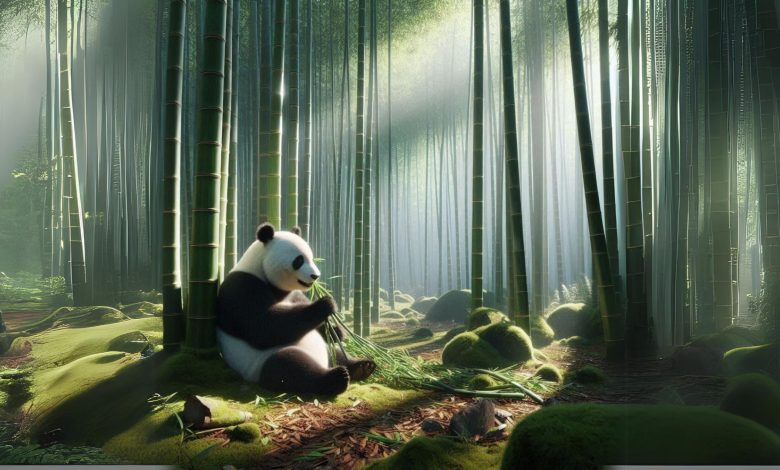
The evolution of the modern Giant Panda (Ailuropoda melanoleuca) was shaped by their move into the bamboo forests of central and southern China. Fossil records suggest they solidified their current characteristics during the Miocene epoch (about 8 million years ago). In other words, bamboo is what made the panda, a panda. By settling for a single, abundant food source, they effectively traded their carnivorous roots for a much more laid-back, herbivorous lifestyle.
The Panda-Bear Relationship
Though we often treat them as separate entities, the panda and the “typical” bear are really just two very different siblings. Here is what sets the panda apart:
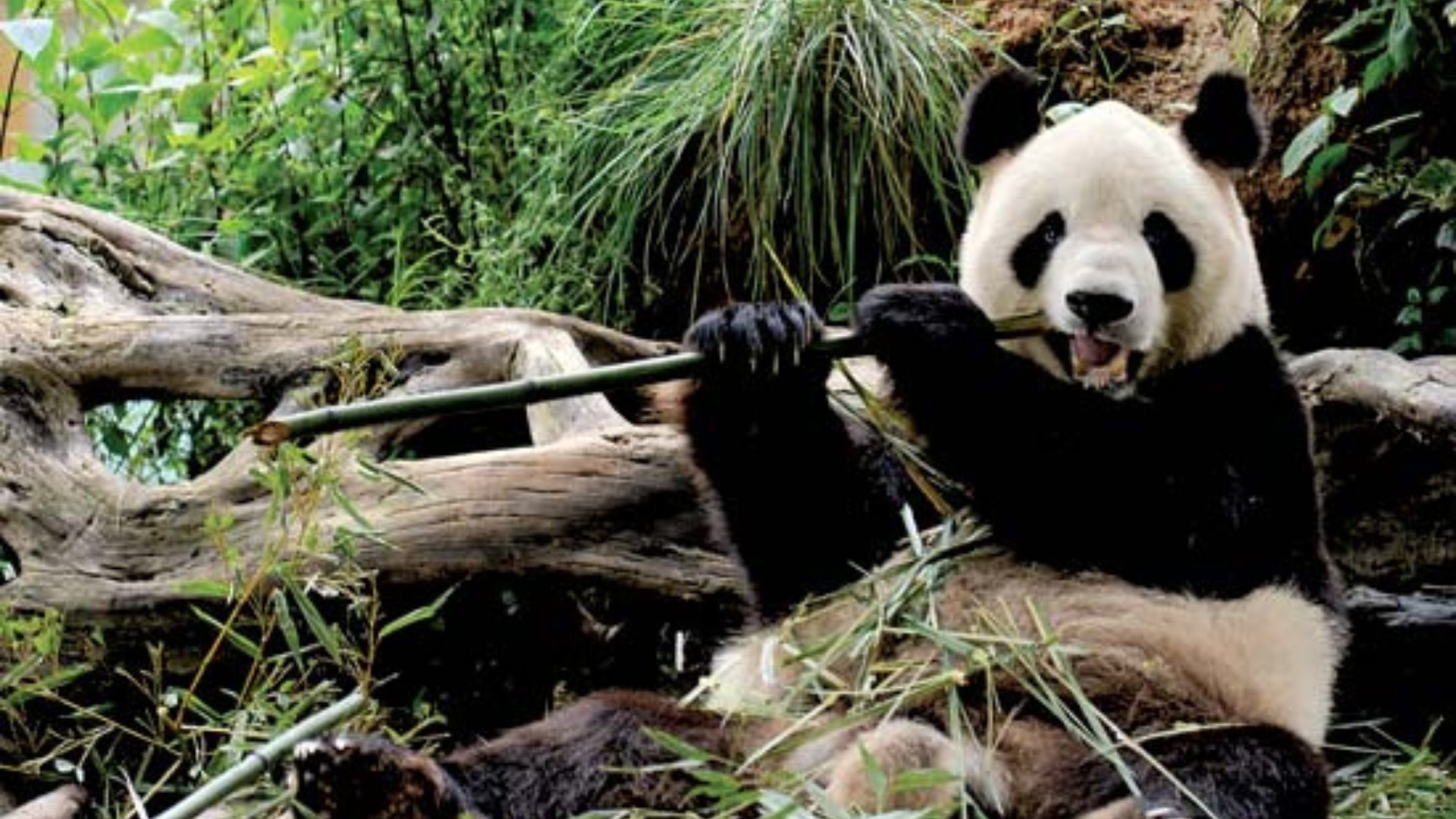
- Diet: While other bears are omnivores, pandas are almost strictly herbivores. Bamboo makes up 99% of their diet, and an adult can munch through anywhere from 12 to 38 kg of the stuff in a single day. Their digestive systems have evolved specifically to process this tough, fibrous plant.
- Physical Traits: Beyond their iconic black-and-white coat, pandas have a unique “pseudo-thumb“—an elongated wrist bone that helps them grip bamboo stalks. It’s the ultimate evolutionary giveaway that they are built for one thing only: bamboo.
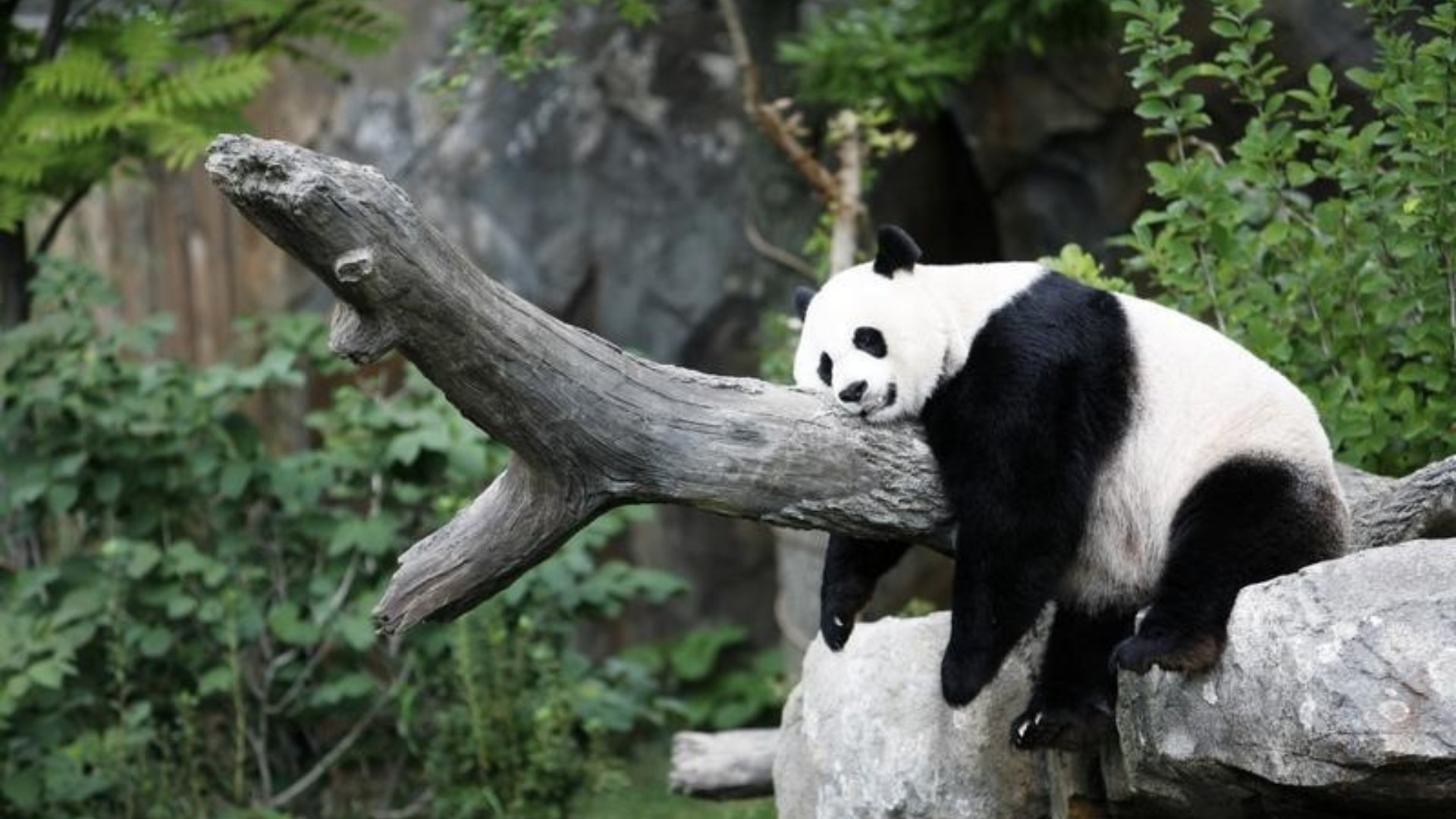
- Lifestyle: Unlike their cousins, they don’t hibernate. Their year-round access to bamboo makes that unnecessary. They spend most of their day foraging, but they’re also famous for napping—sometimes for 12 to 16 hours a day, especially when it’s raining.
So, in short: even though they’ve drifted away from the typical bear lifestyle, they are still very much bears at heart (and biologically) 🙂
Habitat and Daily Routine
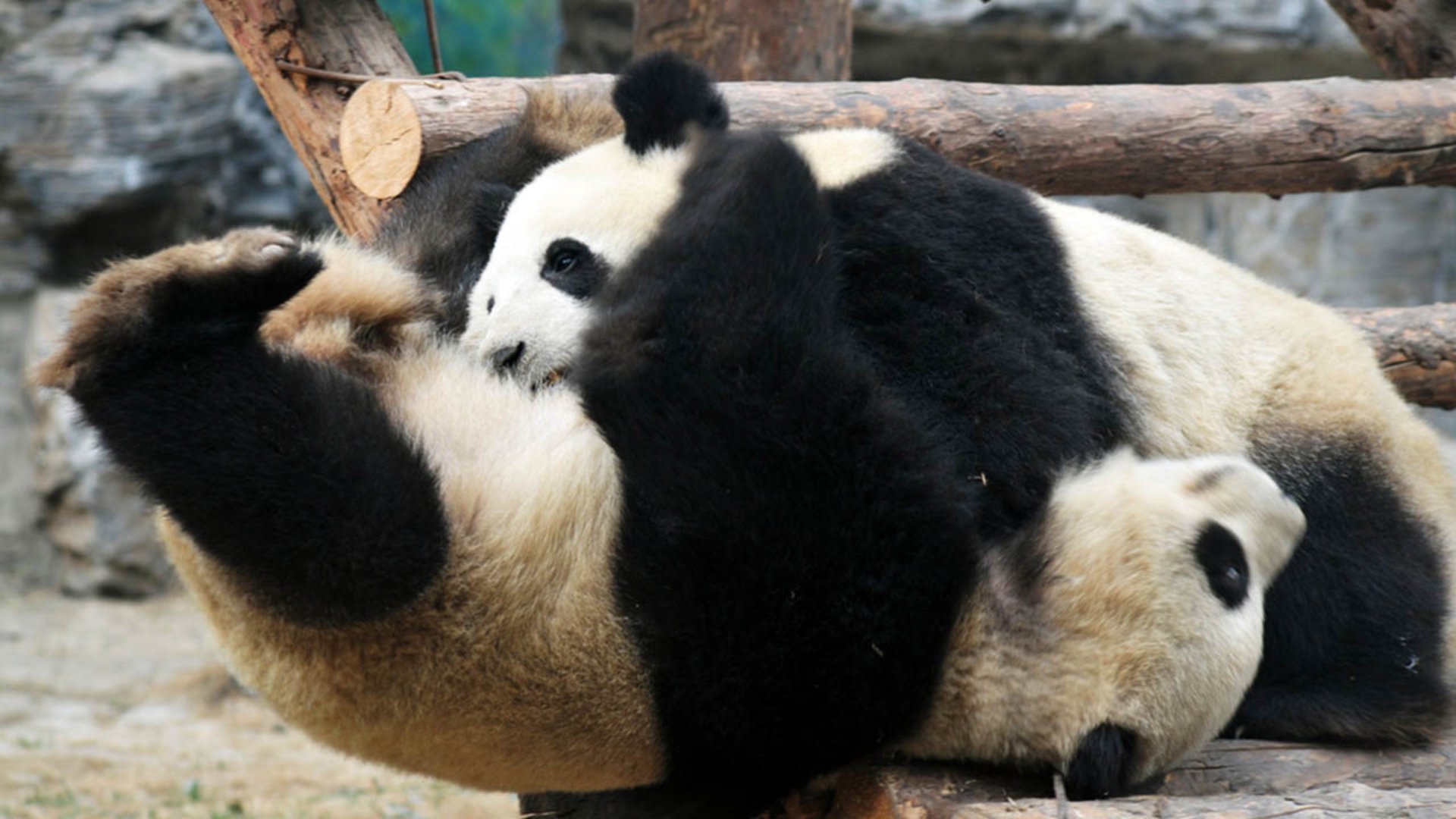
Pandas live in the high-altitude bamboo forests of China’s Szechuan, Shaanxi, and Gansu provinces, ranging from 1,200 to 3,500 meters above sea level. They are solitary creatures by nature, and outside of the mating season, you’ll rarely see them hanging out together. Their social structure is defined largely by their individual territories. The irony is that for an animal that prefers to be left alone, they are surprisingly social. It’s fascinating that a creature so eager to play with humans, other pandas, or even different species chooses a solitary life in the wild—though they seem perfectly capable of entertaining themselves. When they aren’t sleeping, these lovable loafers are usually just dreaming about their next bamboo meal.
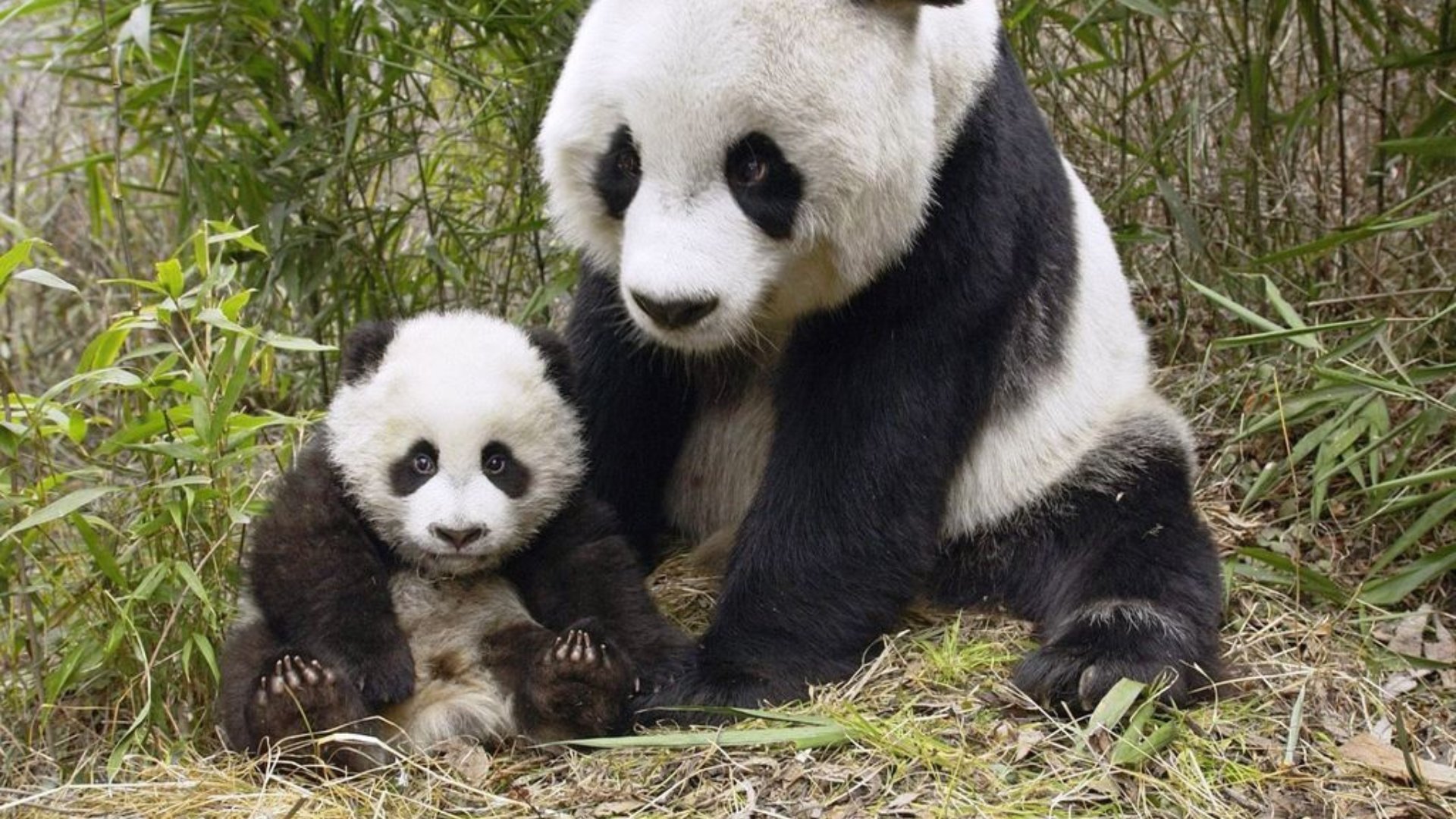
Of course, things are different for panda moms. Despite their solitary nature, there’s a strong bond between mother and cub. A female usually gives birth every two years, and the cubs stick with their moms for about two years. At birth, these little ones are incredibly tiny and vulnerable—weighing only about 100 grams! No other mammal has a newborn so small compared to its parent. They start nibbling on solid bamboo at around four months, but they continue nursing for about a year. The biggest reason pandas are endangered is their notorious lack of interest in mating. In fact, when panda research centers were first established in the early 2000s, their primary challenge was simply getting them to take an interest in each other.
Conflict
Readers of our series know that the “conflict” section is usually the most dramatic part. Well, we’re happy to report that the panda’s life is remarkably peaceful. This is because pandas go out of their way to avoid confrontation with other animals. That said, as their habitat shrinks and bamboo becomes harder to find, they can occasionally run into competition with other bamboo-eating species. Because they live at such high altitudes, encounters with natural predators like leopards are rare. Most of their “conflicts” today stem from their habitat overlapping with human expansion.
Pandas Today
Pandas were once on the brink of extinction, but thanks to massive conservation efforts, things are looking up. In 2016, the IUCN downgraded them from “Endangered” to “Vulnerable”—a major victory for the species. People around the world fell so hard for these charming giants that millions of dollars were poured into protecting their wild homes. The Chinese government and international organizations are working tirelessly to protect and expand these bamboo forests. It’s hard not to feel happy for these gentle, soft-hearted giants, isn’t it?
References and Further Reading
Facts. (n.d.). World Wild Life. https://www.worldwildlife.org/species/giant-panda
Lindburg, D. G. (2024, October 5). Giant panda | Facts, Habitat, Population, & Diet. Encyclopedia Britannica. https://www.britannica.com/animal/giant-panda
Originally published in Turkish at Doğa Filozofu.