


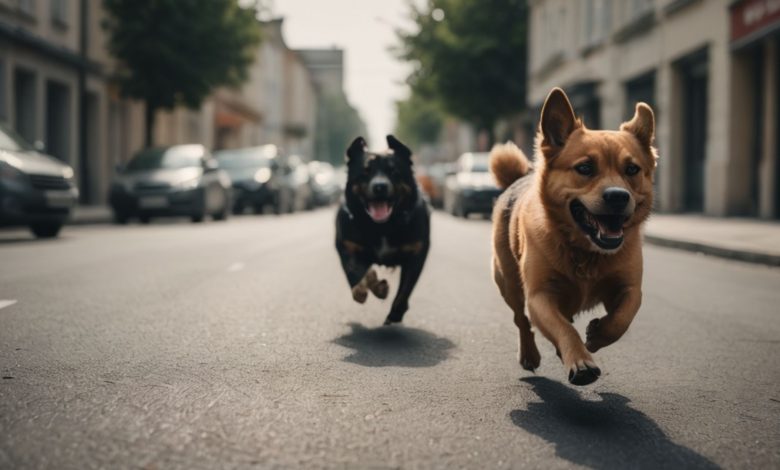
Have you ever seen a dog bolt after a passing car, motorcycle, or bicycle? It’s a scene that can be amusing one moment and genuinely alarming the next. But what’s actually going on in their heads when they decide to chase down these fast-moving machines? Is it just a primal instinct, or does it have more to do with their breed, how they were raised, or their individual personality? Perhaps it’s a habit forged over the long history of our partnership with dogs, or maybe it’s a clumsy attempt to adapt to the pace of our modern world. Let’s dive in and see if we can unpack the “why” behind this behavior and gain a little more insight into the cognitive world of our canine companions.
The Instinctive Drive
We still have a lot to learn about the animal mind, but there are some solid theories as to why dogs feel that irresistible urge to chase moving objects. The most prominent one points to their deep-seated instinctive behaviors.
Dogs possess predatory instincts that can easily manifest as “chasing moving objects” like cars. As descendants of natural hunters, this behavior is a leftover fragment of the classic hunter-predator motor sequence, where the chase is a fundamental component (McLennan, 2023). Many dog breeds were specifically developed for these traits, designed to excel at tasks like hunting, pest control, or herding livestock. Their acute territorial instincts have also made them go-to partners in the security sector—though, unfortunately, these same traits are sometimes exploited in things like greyhound racing.

However, in the modern world, the need for these hunting drives is fading fast. We mostly bring dogs into our lives as loyal, loving companions. Because of this, we generally don’t look for aggressive traits in our pets. As our desire for canine companionship grows, some breeds are even being refined to better suit city or apartment living. That said, we still lack comprehensive research on just how deep these ancestral predatory instincts run in the breeds we’ve come to view as “domesticated” (McLennan, 2023).
High-Energy Dogs and Their Favorite Game: The Chase
Regardless of breed, it’s fair to say that many dogs have a natural tendency toward chasing and guarding. Think of the small, scrappy dog who doesn’t take kindly to house guests or turns into a tiny alarm system every time the mail carrier walks by—these are perfect examples of that impulse in action.
While these instincts aren’t exclusive to certain breeds, studies do suggest that some are more “predisposed” to specific behaviors. For instance, German Shepherds have been noted to have a higher tendency to chase cats, while Border Collies are often more fixated on chasing cars. Personality plays a huge role here, too; dogs with more impulsive temperaments are much more likely to go after cyclists or joggers. Ask any owner of a high-energy dog, and they’ll likely tell you that “chase” is almost always at the top of their favorite games list.
The Development of Canine Personality
A dog’s personality is shaped by a whole host of factors. Dogs raised in environments relying heavily on reward-and-punishment systems can develop fear-based aggression, either as a way to secure rewards or to drive away perceived threats (Emily et al., 2024).
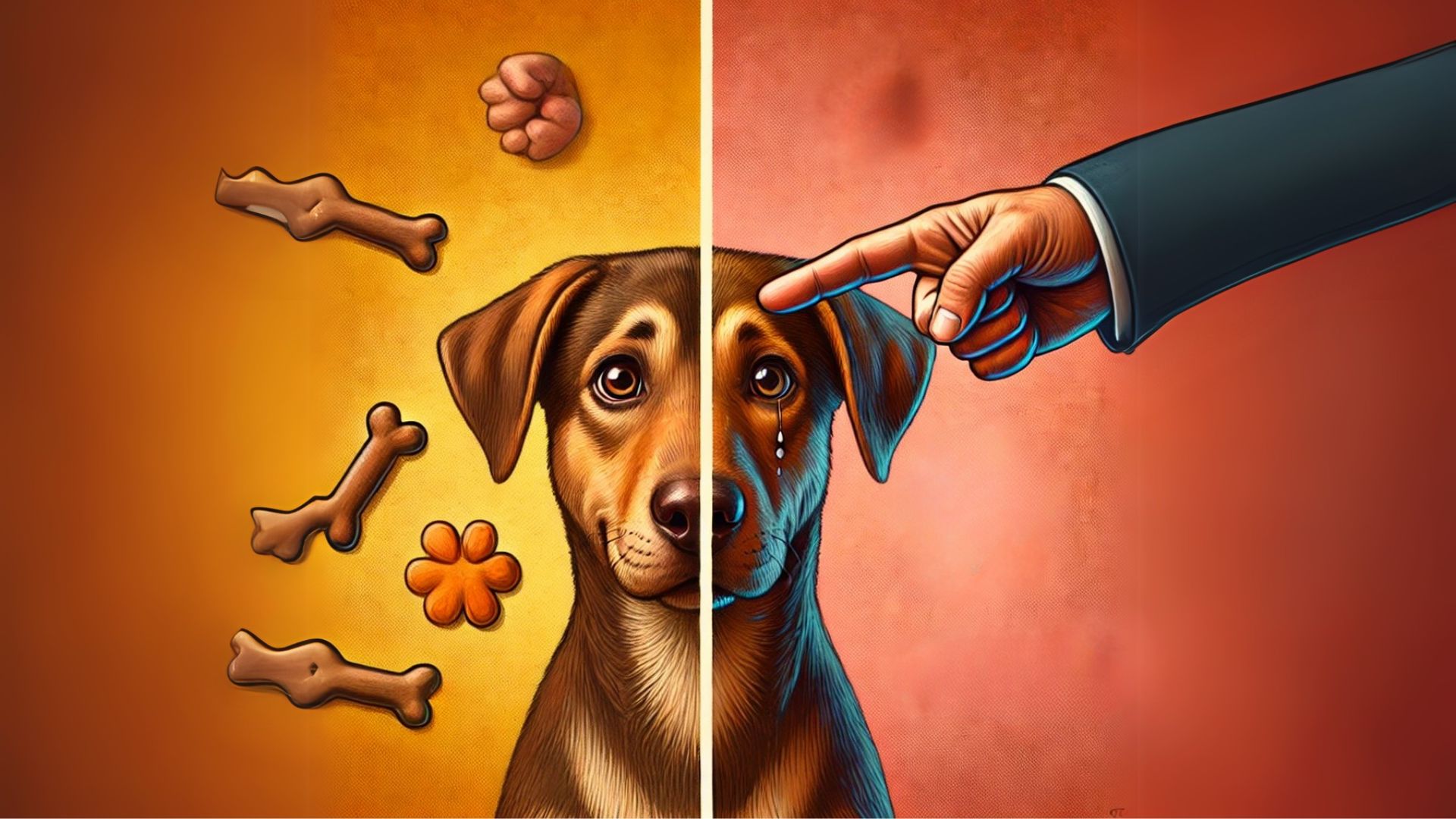
We’ve touched on the instinctive side of things, but we also have to consider environmental and situational factors. Aggressive behavior is rarely a desired trait in a family pet. Most training aims to curb biting, chasing, and excessive barking through positive or negative reinforcement. Yet, even with the best training, some dogs still struggle. For a dog that needs to run, explore, and sniff, the confines of a house or an apartment can be incredibly boring. Consequently, the sight of a moving vehicle, a person, or another animal can trigger that dormant predator-prey instinct, turning a moment of boredom into a full-blown chase. Furthermore, dogs that aren’t getting enough physical or mental stimulation may act out simply because they have pent-up energy or frustration. Beyond that, this behavior might just be a dog’s way of marking territory or asserting dominance. Understanding these motivations is the first step toward managing the behavior and channeling it in a healthier direction (Hassan et al., 2009).
Aggressive Behavior in Abandoned Dogs
A study on animal-vehicle collisions in Seville found a clear overlap between the times of day when stray dogs are most active and the peak hours for traffic, which naturally leads to more accidents. This activity usually spikes at dawn and dusk, when these dogs are out searching for food and shelter. The research in Seville also suggests that many of the dogs involved in these accidents may be abandoned or lost hunting dogs. This is a sobering example of how a dog’s history, breed characteristics, and training can directly correlate with the aggression they display (Canal et al., 2018).
Abandoned dogs are far more prone to fear-based aggression. Often, this behavior is labeled as “unexpected” or “over-the-top.” But if a dog you’ve known and loved suddenly acts aggressively, it’s not because they are inherently “unpredictable”—it’s more likely a trauma response. The dog is reacting to triggers associated with past negative experiences, which shapes how they interact with the world (Corridan et al., 2024).

Ultimately, a dog’s tendency to chase or guard is a complex mix of instinct, environment, and individual character. In dogs dealing with trauma, these actions can become even more pronounced. The best way to reduce aggressive behavior in our pets is for owners to be well-versed in canine psychology and to ensure their furry friends are getting the physical and mental enrichment they need to thrive.
Dealing with aggression in stray dogs requires a different approach. The first step is to assess their behavior: are they acting out of fear, aggression, or a friendly desire to connect? This helps us make educated guesses about their past experiences with humans. If a dog needs medical attention or needs to be caught for rehoming, using humane, low-stress methods is vital to prevent further trauma. Once secured, they should receive necessary veterinary care—including neutering or spaying, which can often help curb aggressive tendencies. While a well-run shelter is a good start, the real goal is finding them a loving family. Finally, local animal rights organizations are incredible resources for anyone looking to help develop better strategies for managing stray populations (Corridan et al., 2024). At the end of the day, embracing the “Adopt, Don’t Shop” philosophy is one of the most powerful ways we can make a difference.
References and Further Reading
Corridan, C. L., Dawson, S. E., & Mullan, S. (2024). Potential Benefits of a ‘Trauma-Informed Care’ Approach to Improve the Assessment and Management of Dogs Presented with Anxiety Disorders. Animals, 14(3), 459. https://doi.org/10.3390/ani14030459
Emily, E. C., Zulch, H., & Mills, D. S. (2024). The role of breed versus personality and other demographic factors in predicting chasing behaviour in dogs. Applied Animal Behaviour Science, 106463. https://doi.org/10.1016/j.applanim.2024.106463
Hassan, A. Z., Emmanuel, E. G., Awasum, C. A., Remi-Adewunmi, B. D., Hassan, F. B., Mohammed, A., Mustapha, R. H., & Olusa, T. A. (2009). Behavioural conditions in dogs – a review: Part I – Disagreeable normal behaviours. Nigerian Veterinary Journal, 30(2), 45–50. https://habricentral.org/resources/19889
McLennan, T. (2023). Review of literature on interventions aimed at resolving problems caused by predatory behaviour in dogs (Canis familiaris). Applied Animal Behaviour Science, 266, 106037. https://doi.org/10.1016/j.applanim.2023.106037
NielsenIQ. (2016, November 22). Man’s best friend: global pet ownership and feeding trends. NIQ. https://nielseniq.com/global/en/insights/report/2016/mans-best-friend-global-pet-ownership-and-feeding-trends/
Pet, H. (2021, September 30). Why do dogs chase cars? (& how to get them to stop). Hill’s Pet Nutrition. https://www.hillspet.com/dog-care/behavior-appearance/why-do-dogs-chase-cars?lightboxfired=true
Tnn. (2018, July 20). Why do dogs chase certain vehicles? The Times of India. https://timesofindia.indiatimes.com/life-style/health-fitness/photo-stories/why-do-dogs-chase-certain-vehicles/photostory/65070820.cms?picid=65070825
U.S. pet ownership statistics. American Veterinary Medical Association. (n.d.). https://www.avma.org/resources-tools/reports-statistics/us-pet-ownership-statistics
Originally published in Turkish at Doğa Filozofu.