

Imagine you’re on a hillside nestled among mountains, surrounded by a herd of goats. A goatherd is watching his flock, which seems to be dancing. Are the goats just bursting with energy, or has the shepherd been daydreaming a bit too much? We can’t say for sure… but we do know one thing: those goats were the unsung heroes of a discovery that changed the course of history! Yes, coffee! That marvelous drink that brings joy to our mornings and a solution to our sleepless nights started exactly like this. So, are you ready to learn how coffee made it from that hillside to your mug? Grab your cup, and let’s dive into the magical journey of coffee together!
The Discovery of Coffee
Of course, we all know that what we call coffee is actually a type of fruit that grows on shrubs, but someone had to be the first to try eating it, right? The surprising part, at least according to the most famous legend, is that this “someone” wasn’t a human, but a goat. The story goes that in the 9th century, a goatherd named Kaldi was grazing his flock in what is now Ethiopia when he noticed the goats eating reddish-brown berries from a bush. After eating them, the goats—who had been perfectly calm until that moment—suddenly burst with energy. They were so lively that it was impossible to get them to settle down for the night. Curious, Kaldi gathered some of the berries and tried them himself. Just like the goats, he started feeling energetic and wide awake. His heart was even racing. Kaldi reported his findings to the monks at a nearby monastery. The monks, intrigued, threw the plant into boiling water—perhaps hoping to make a tea—and brewed a drink. It kept them awake for hours. And so, the reputation of coffee as an energy-boosting beverage began to spread.
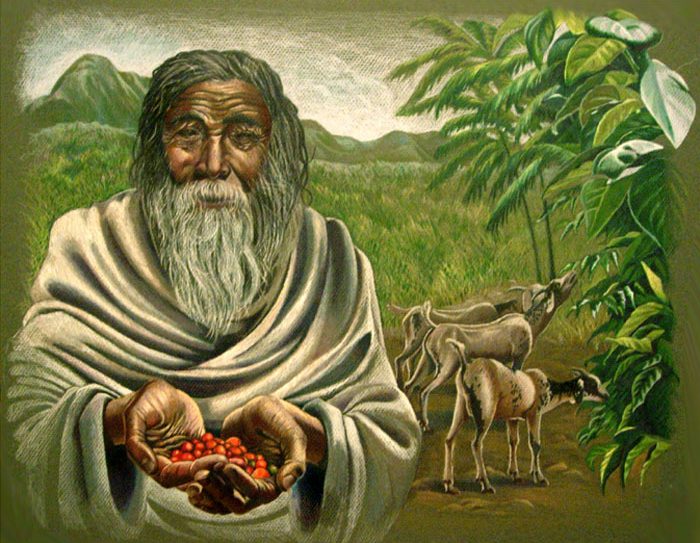
While the historical accuracy of this tale is debated, many sources confirm the time and place of its origins. As the fame of coffee grew, the idea of taking it to other lands naturally followed. Thanks to merchants traveling from Ethiopia to Yemen, coffee reached the Arabian Peninsula. In Yemen, Sufi dervishes used coffee to stay awake during their long nightly prayers. Now, can you guess which port played the lead role in bringing coffee to the rest of the world? The answer is Mocha, a name you might see on a menu at least once a week. Yemen’s port of Mocha was the primary hub where coffee was first exported, which is why it eventually lent its name to a specific type of coffee.
“Okay, but who actually called this fruit ‘coffee’?” you might be wondering. Even if you weren’t, we’re dying to tell you. Coffee is pronounced similarly in many languages, and that’s because it originated in the “Kaffa” region of Ethiopia. Kaffa is the region where coffee grows naturally.
As we zoom in on its journey, we see a major shift in coffee’s popularity once it reached the Arabian Peninsula—a process that spanned into the 15th century. By the time it arrived in Mecca and Medina, coffeehouses dedicated exclusively to the drink had opened, and coffee had officially become a fixture of social life.
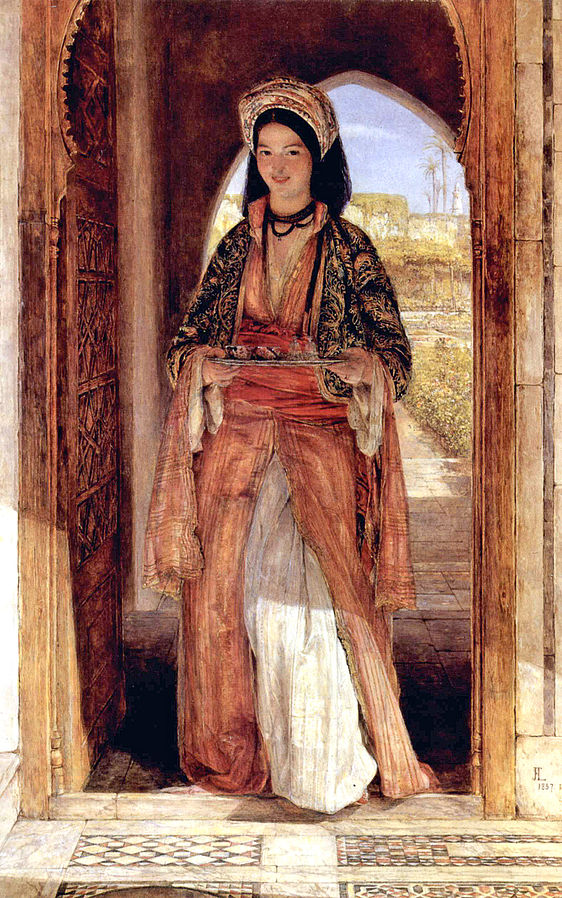
Painter: John Frederick Lewis (1857)
The Birth of Coffee Culture
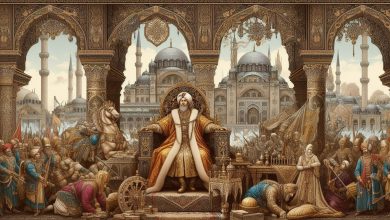
We know what you’re thinking. When we say 15th-century Arabian Peninsula, we’re talking about a geography that wasn’t far from the Ottoman Empire. Naturally, by the mid-16th century, the Ottomans began a deep love affair with coffee. From the second half of the 1500s, the number of coffeehouses in Istanbul skyrocketed, becoming places where people spent their entire days. Coffee didn’t just affect the public, though; it became a centerpiece of Ottoman court life. The “Kahvecibaşı” (Chief Coffee Maker) held one of the most important positions, responsible for preparing the Sultan’s coffee. Although there was a slight setback in the 17th century when Murad IV shut down the coffeehouses—fearing that they were hotbeds for political debate and public organizing—the culture was already too deeply rooted to disappear.
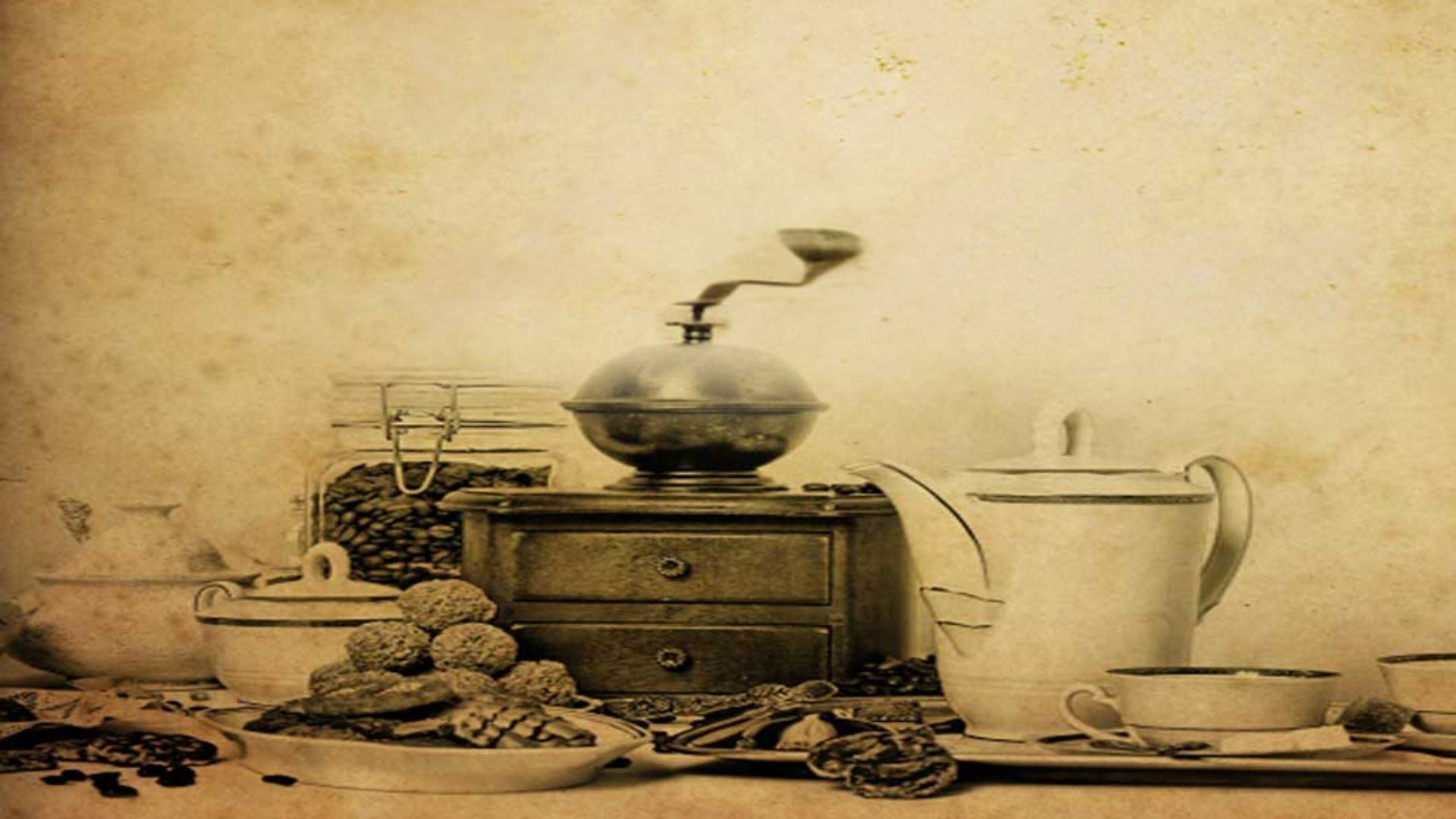
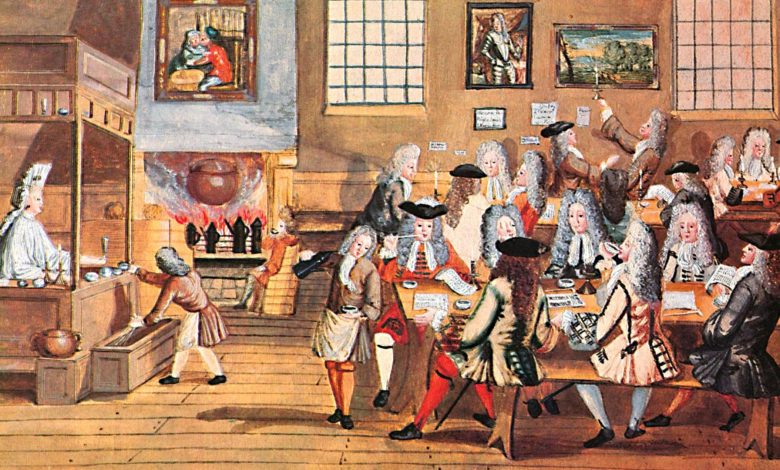
Once coffee became a staple in a leading society like the Ottoman Empire, it was only a matter of time before Europe met the bean. Through the Ottomans’ interactions with France and Austria in the 17th century, these countries were introduced to coffee. The Austrians took those beans, added milk and sugar, and created a new style. Today, we know that style as Cappuccino.
Coffee Production and Brazil
A sharp-eyed reader who knows a thing or two about coffee might ask, “Didn’t coffee come from Brazil?”—and they’d be right to point that out. But keep in mind that until the 17th century, Brazil wasn’t exactly a well-mapped territory for European powers. Coffee, which had been supplied by Ethiopia and Africa until then, gained incredible momentum in this new geography. It wasn’t because coffee was native to Brazil, of course. None of the European powers had the right conditions for coffee production, but Brazil turned out to be the perfect place. In 1727, coffee was smuggled into Brazil. The country quickly became the world’s largest coffee producer, a title it still holds today. The catch was that coffee is a labor-intensive crop. Consequently, especially during the colonial era, it developed into a sector based on slave labor. Millions of people were forced to work on plantations across the Caribbean and South America.
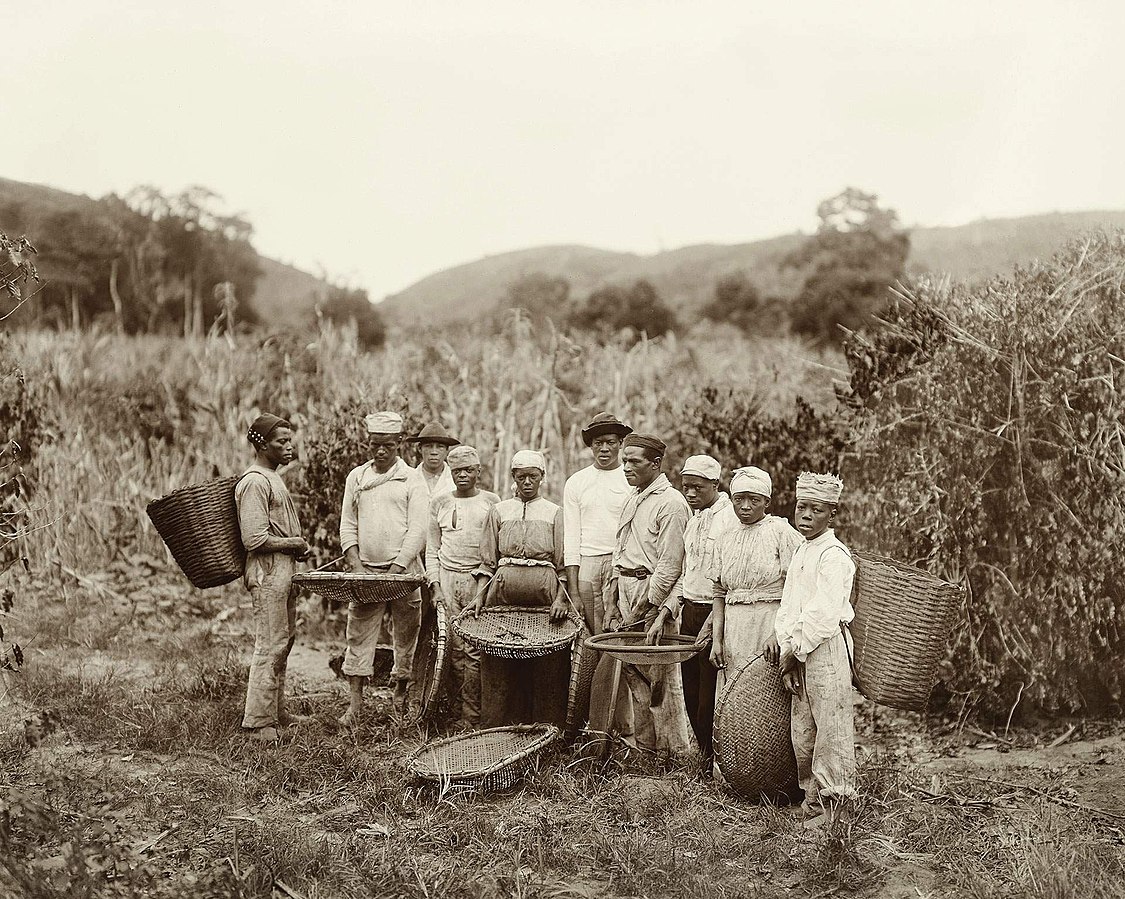
Fortunately, as technology and human rights advanced in tandem, slavery was abolished. During this time, humanity also discovered new ways to grind and brew coffee. The first major leap happened in 1901 when Italian engineer Luigi Bezzera developed the first espresso machine. Then, in 1938, Nestlé launched Nescafé, making access to coffee much faster. In this way, instant coffee became accessible, requiring nothing more than hot water.
Second, Third, and Fourth Wave Coffee
By now, most of us have heard the term “third-wave coffee.” But what are these “waves”? The second wave refers to brands built as chains, like Starbucks, which rely heavily on brand power. Then, starting in the early 2000s, the quality and origin of the beans began to take center stage. This led to independent shops focusing on specialty beans. Finally, for the past 5–6 years, we’ve been experiencing what some sources call the “fourth wave”, where brewing methods are diversifying even further to offer unique, curated experiences.

Coffee Today
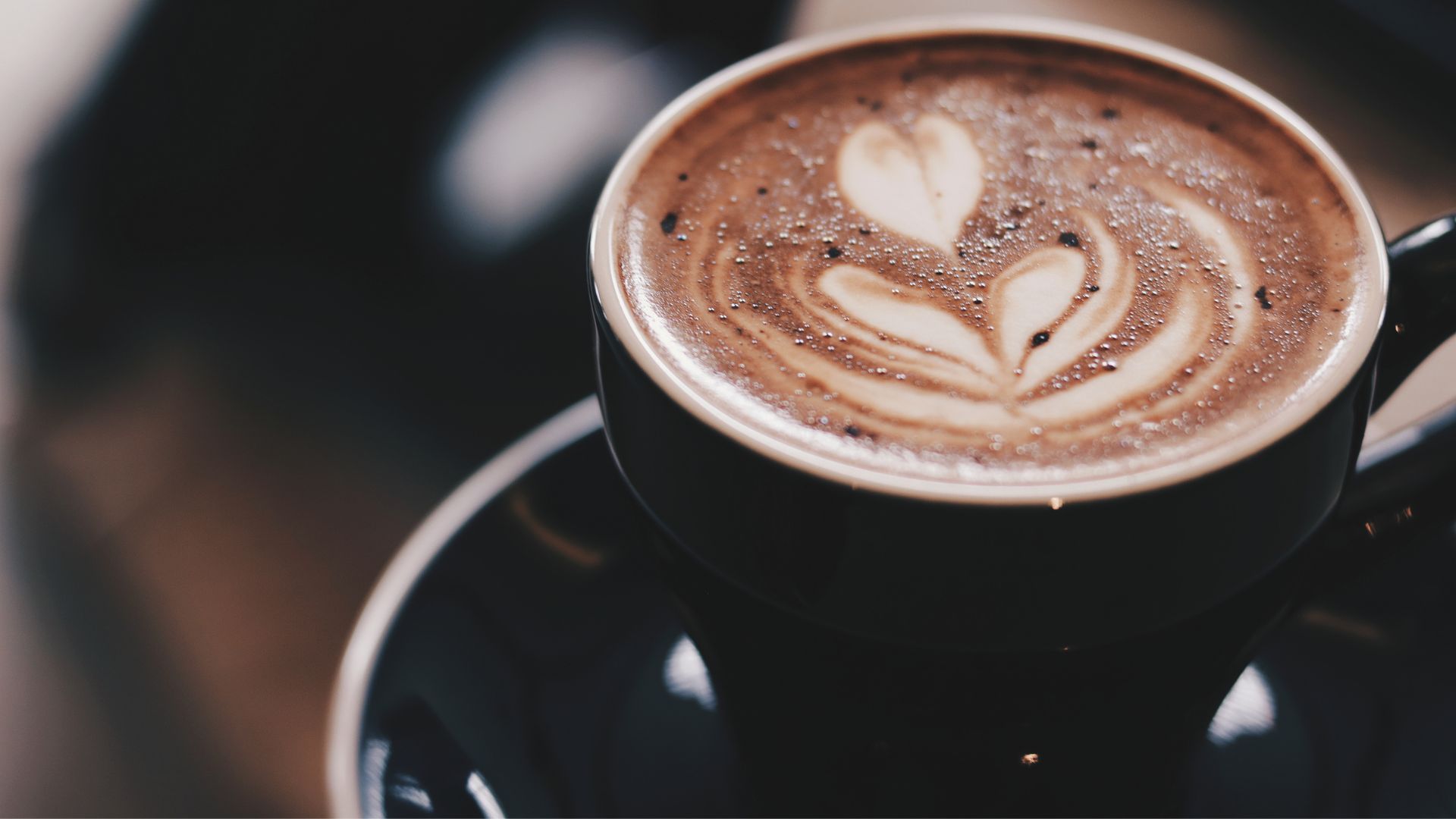
It’s exciting to share facts about coffee, which holds such a special place in everyone’s life—whether it’s Turkish coffee, a Cappuccino, or another variety. Without turning this into a dry “Did You Know?” list, we’d like to share that the most produced coffee types in the world are Arabica (70%) and Robusta (30%). If you’re wondering about the difference, Arabica is more aromatic and smooth, while Robusta is harsher and more caffeinated. How’s that for a smooth transition? We’re sure it wasn’t as smooth as a Latte. Speaking of which, where does the name “Latte” come from? We have to ask the Italians, as most of these names come from Italian. For example, “latte” means “milk.” The Italians gave it this name because it’s a mixture of coffee and milk. Other coffee names they gave us include espresso, macchiato, cappuccino, and affogato. Here’s what they mean:
- Espresso: Comes from the Latin word expressus, meaning “to press out.”
- Cappuccino: Named after the Capuchin friars, known for their brown hooded robes. It’s said that the color of the coffee resembles their habits.
- Macchiato: Means “stained” or “spotted” in Italian. It was given this name because the espresso is “stained” with a small amount of milk.
- Affogato: Means “drowned” in Italian. It’s a dessert/coffee type prepared by pouring espresso over a scoop of ice cream.
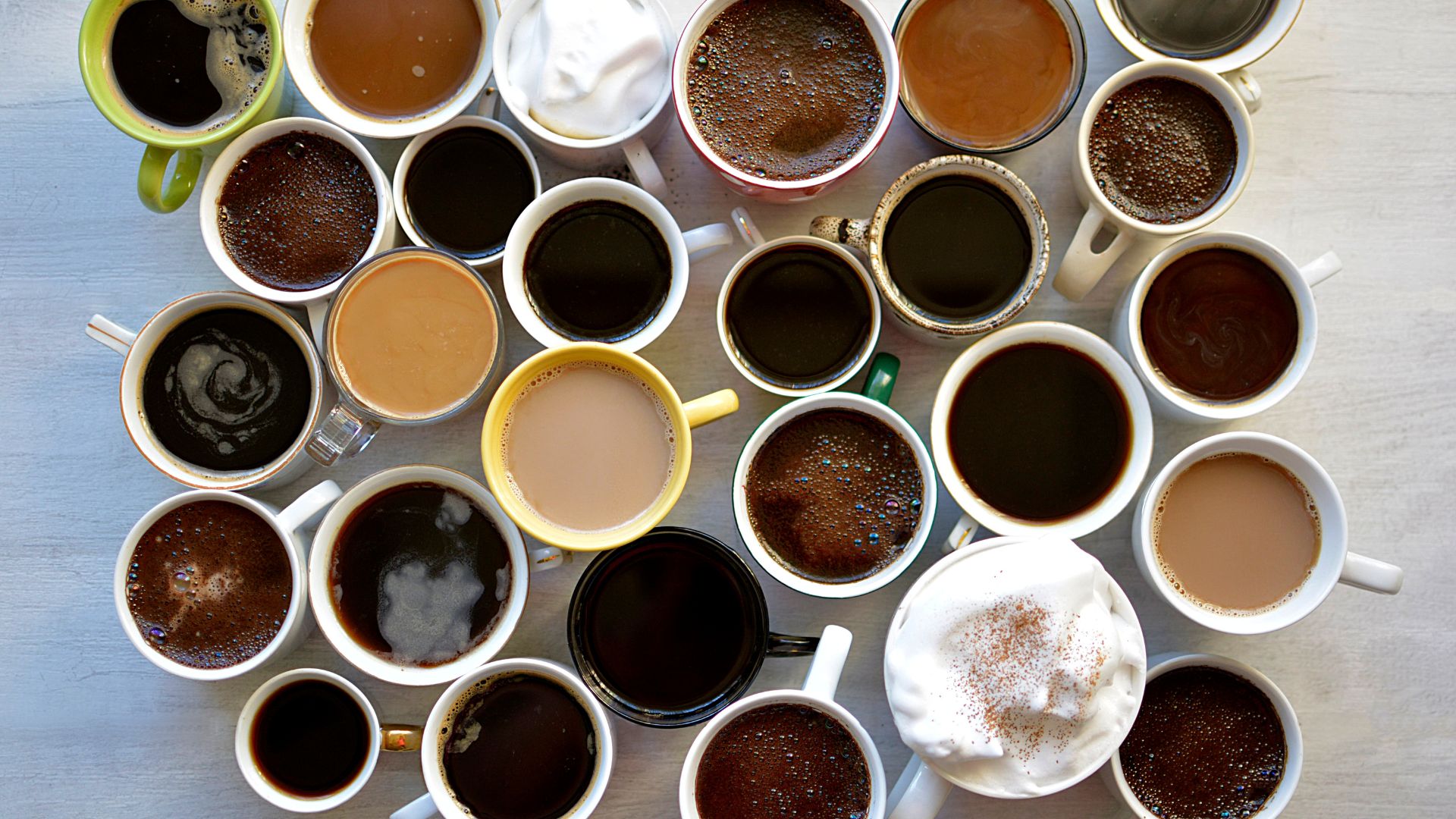
Of course, the Italians aren’t the only authority on coffee names. The French, for instance, named the Frappé we drink so often today. Discovered in Greece, this cold coffee is a mixture of coffee and ice whipped into a foam. It comes from the French word frappé, meaning “beaten” or “shaken.” Another great story comes from American soldiers encountering espresso. During World War II, soldiers who found espresso too strong began diluting it with hot water, giving birth to what we call the “Americano.”
We hope you took our advice and had a coffee in hand while reading this, and that every word added a little more flavor to your cup. If you’d like to read it again or share it with others, we recommend reading it accompanied by Frank Sinatra’s “The Coffee Song.” Wishing you many coffee-filled days!
References and Further Reading
Glossary of Coffee-Related Terms. (n.d.). Scribblers Coffee Co.
https://scribblerscoffee.com/pages/coffee-glossary
6 Ways Coffee Helped Transform the World. (2022, March 11). www.history.com.
https://www.history.com/news/coffee-history-facts
Home. (2021, June 24). Breville. https://www.breville.com/us/en/coffee-journey/home.html
Myhrvold, N. (2021, May 6). History of coffee | Origin, Facts, & Timeline. Encyclopedia Britannica. https://www.britannica.com/topic/history-of-coffee
nestle_user@ecosystem. (n.d.). The rich history of coffee. Nescafé INDIA. https://www.nescafe.com/in/coffee-culture/knowledge/coffee-history
Originally published in Turkish at Doğa Filozofu.