

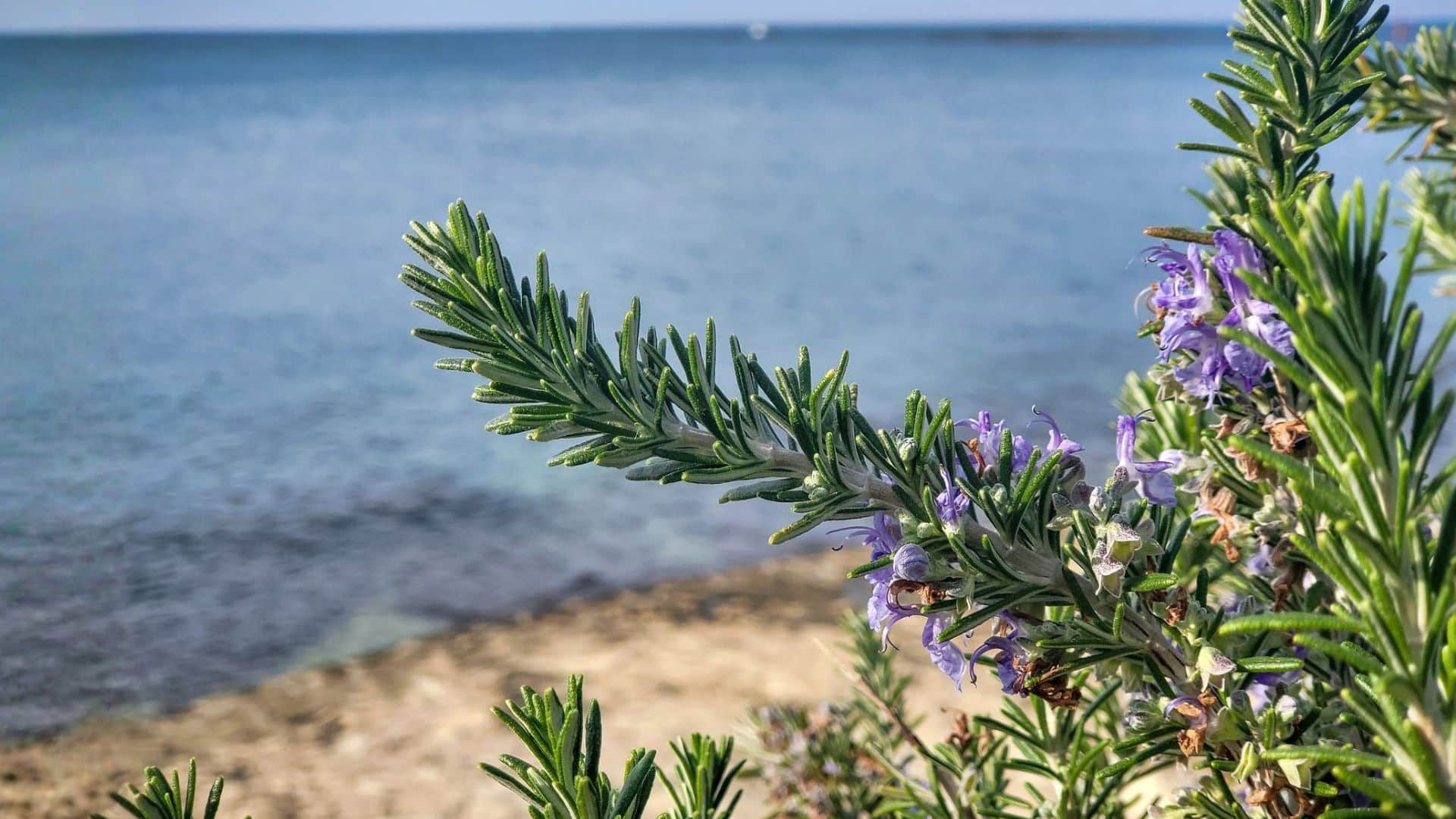
Close your eyes. Imagine the salty Mediterranean breeze hitting your face. As the sun dips slowly toward the horizon, a sharp, fragrant plant growing along the rocky coast catches your attention. Its leaves are thin like needles, its scent deep and pungent… Rosemary. For centuries, it’s been whispered that this herb can “sharpen memory,” “boost circulation,” and even “rejuvenate hair.” But rosemary is no longer just a kitchen staple. Modern science has begun to peel back the layers of the mysteries hidden within it. Recently, a widespread belief has emerged that rosemary prevents hair loss and even stimulates new growth. But does rosemary actually grow hair? And what about that burning question: Does it turn hair gray, or does it actually delay the graying process? Let’s dive in and untangle the myths from the scientific facts.
Known by various regional names, rosemary (Rosmarinus officinalis L.) is a prized medicinal and aromatic herb from the mint family, native to the Mediterranean. While it is farmed in France and Spain, in Turkey, it is often gathered from the wild, flourishing along the southern and western coasts. Although production data from 2014 recorded 172 tons, the 758 tons exported in 2013 clearly demonstrate rosemary’s massive economic potential. Furthermore, rosemary is the only plant recognized as a commercial antioxidant in both Europe and America. This underscores its importance as a natural preservative in both the food and cosmetic industries, highlighting the need for controlled cultivation in Turkey (Ayanoğlu, F., Başkaya, Ş., & Bahadırlı, N. P. (2016)).
Medicinal plants have been used to treat ailments for ages, and many modern drugs are still derived from these natural compounds today. Despite this, only a tiny fraction of the world’s plant species have been scientifically studied, and many are threatened with extinction. One such precious species is rosemary (Rosmarinus officinalis L.), used both in traditional medicine and in the kitchen. Thanks to its powerful antioxidant content, it is highly effective at preserving food, and it has even been approved by the European Union as a natural preservative under the code E392. This clearly illustrates the importance of plant-based sources in modern health and food technology (Andrade et al.).
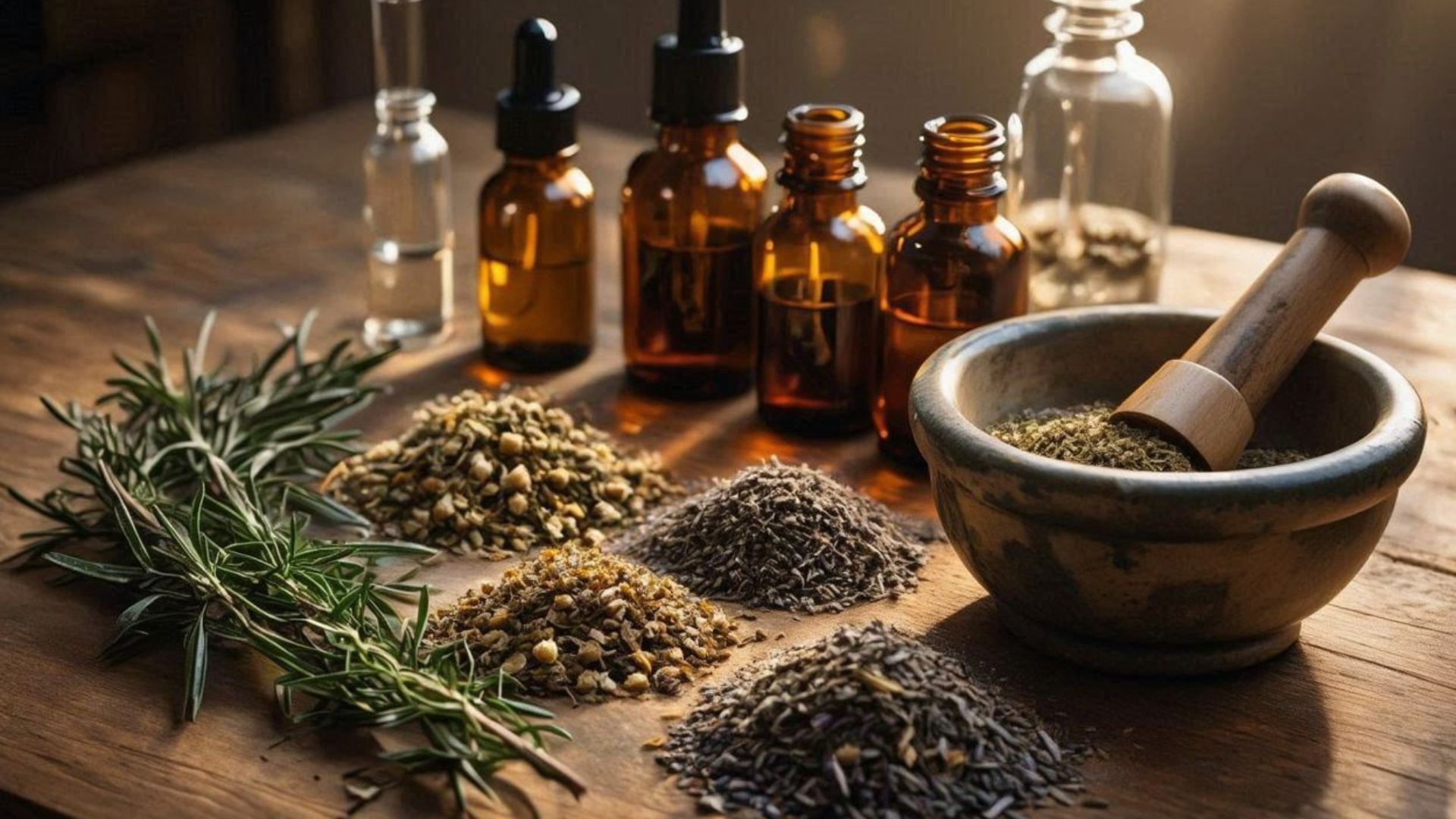
As concerns over synthetic additives grow, interest in natural ingredients in the food sector is surging, and rosemary (Rosmarinus officinalis) is leading the charge. A member of the mint family, rosemary is used as a natural preservative in food due to its potent antioxidant and antimicrobial properties, while also showing therapeutic potential for health issues like Alzheimer’s, liver damage, and angiogenesis. Being the only spice approved for commercial antioxidant use in Europe and the US makes it incredibly valuable for both industry and medical research (Nieto, G., Ros, G., & Castillo, J. (2018)).
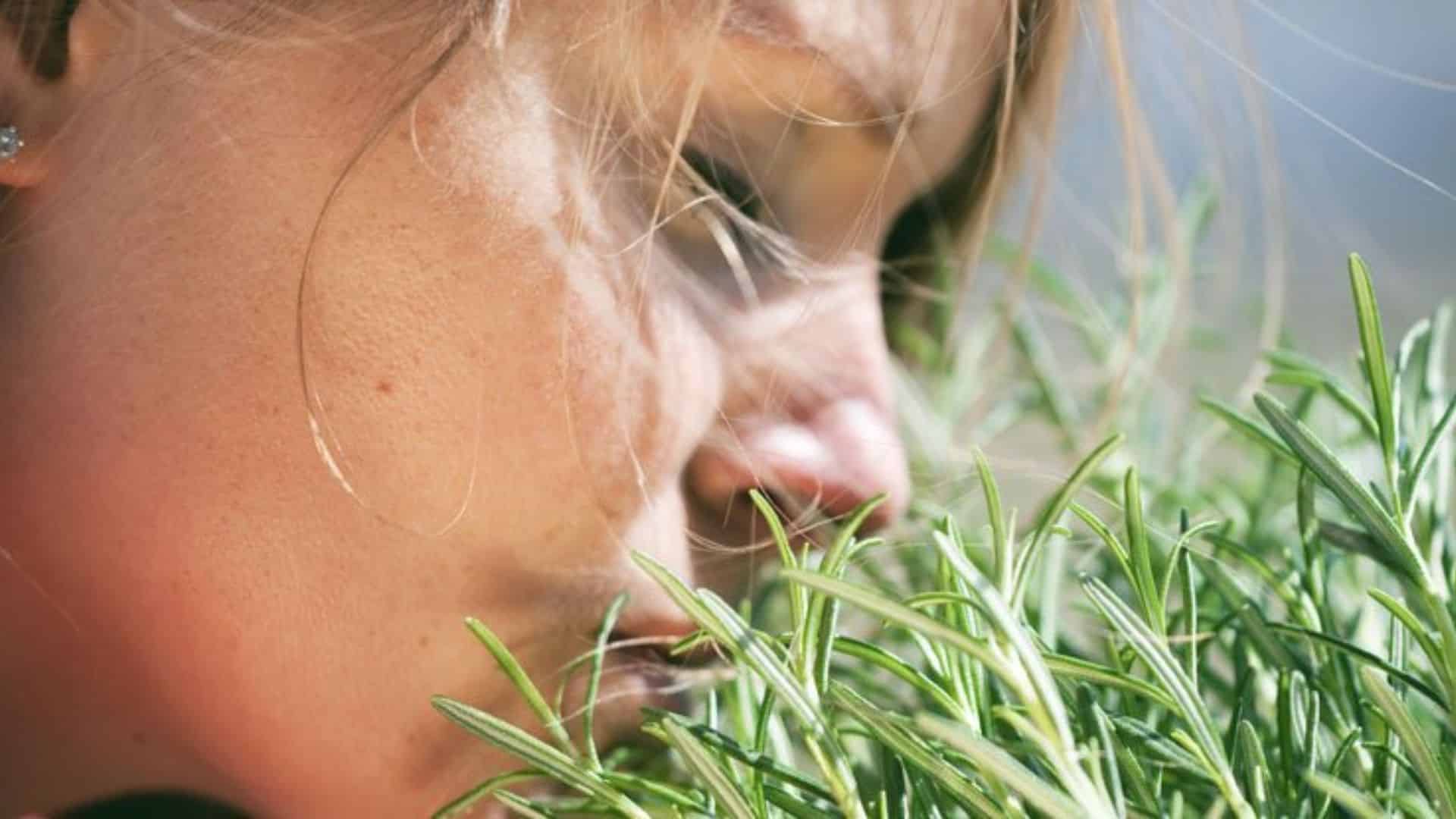
The secret of rosemary lies in molecules hidden within its leaves called phytocompounds. Compounds like carnosic acid and carnosol protect our brains and hearts, while rosmarinic acid provides both antioxidant and anti-inflammatory effects. These tiny molecules can actually lower blood pressure, ease fatigue, and even reduce depressive behaviors. Furthermore, rosemary doesn’t just protect the heart; it supports the liver and kidneys. Its antiviral and antibacterial properties fight off infections, and it has even been reported to have inhibitory effects on cancer cells. Some of its components are even good for eye health and provide protection against atherosclerosis and inflammatory diseases (de Oliveira, J.R. (2019)). In short, rosemary is more than just a kitchen spice—it’s a natural health warrior! It protects both our bodies and minds, all while capturing the curiosity of scientists.
Why Does Our Hair Go Gray?
Human hair color isn’t just an aesthetic trait; it’s the outward expression of a cellular and molecular story. Why does our hair turn white over time? The biology behind this process is intertwined with aging, as well as genetic factors, oxidative stress, and stem cell dynamics.
The main pigment that gives hair its color is melanin, produced by cells called melanocytes within the hair follicle. Melanin comes in dark (eumelanin) and light (pheomelanin) types, and the amount and distribution of these pigments determine hair color. The melanocyte stem cells (McSCs) that dictate our hair color transform into pigment-producing melanocytes in the follicles. As we age, the number and function of these stem cells decline, pigment production drops, and the hair turns gray (Sun Q, Lee W). Wnt/β-catenin signaling regulates the proliferation and differentiation of McSCs. With age, imbalanced signaling leads to the depletion of these stem cells (Rabbani P).
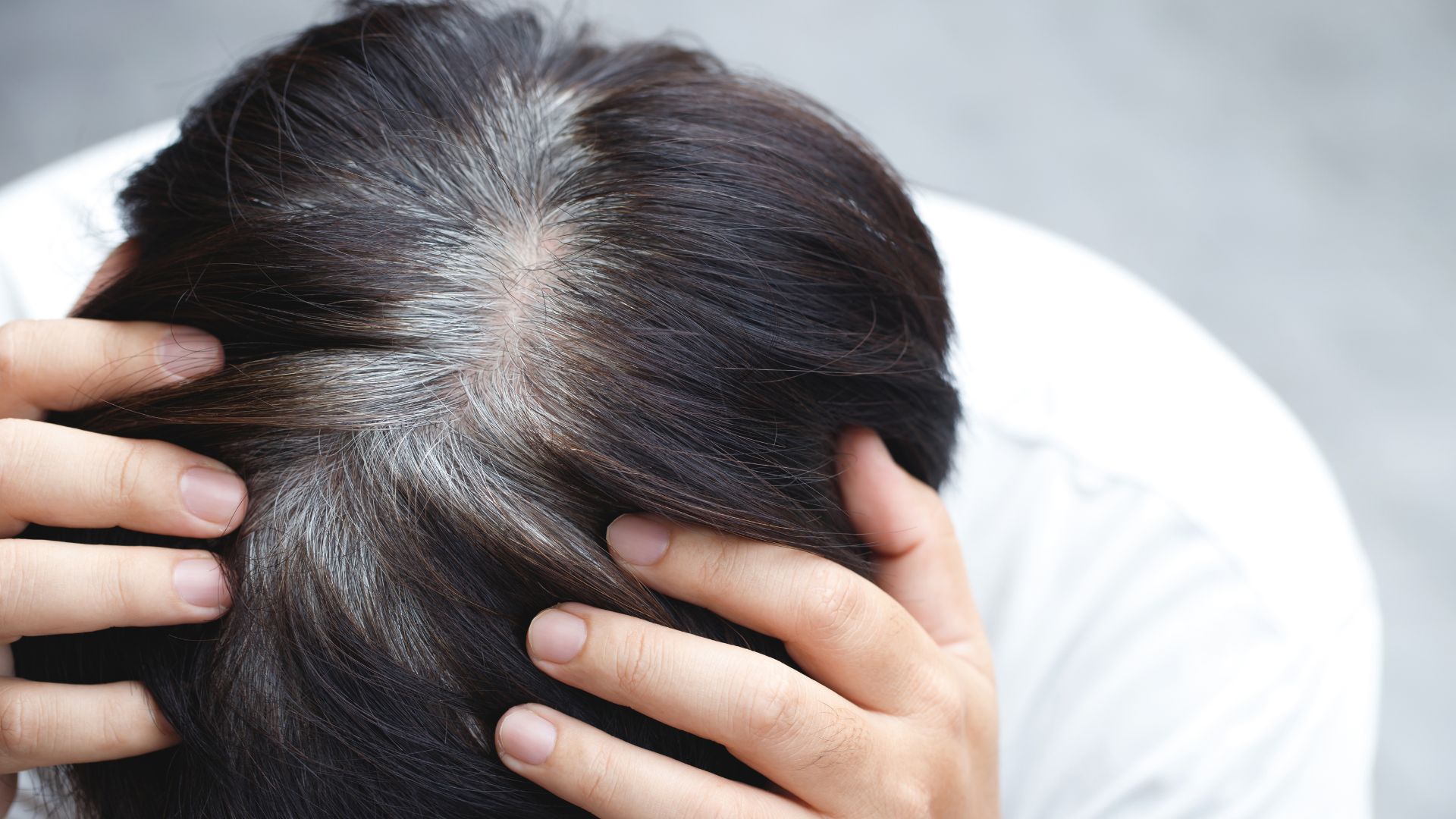
Additionally, the accumulation of oxidative stress and hydrogen peroxide in hair follicles inhibits melanocytes from producing pigment, contributing to the graying process (Wood JM, 2009).
In summary, hair graying is a complex process resulting from a combination of aging, stem cell loss, and oxidative stress. While it cannot be completely reversed at this moment, scientific research offers potential for developing strategies to support pigment production.
Nature’s Support: Rosemary’s Effects on Hair
A 2015 clinical study compared rosemary oil to 2% minoxidil (a clinically tested pharmaceutical treatment). After six months, both groups saw a significant increase in hair count, but the rosemary group experienced less itching and irritation (Panahi Y, et al.). This finding strengthens the theory that rosemary oil increases blood flow to the hair follicles, thereby supporting hair growth.
In a more recent double-blind, placebo-controlled study, researchers examined the use of a rosemary-lavender oil blend and a rosemary-castor oil blend, referred to as Rosmagain. Applied over 90 days, these mixtures provided significant improvements in hair density, thickness, length, and reduced hair loss (Patel MN, et al.). This study shows that rosemary can support hair growth, particularly when combined with suitable carriers (such as castor oil) rather than used alone.
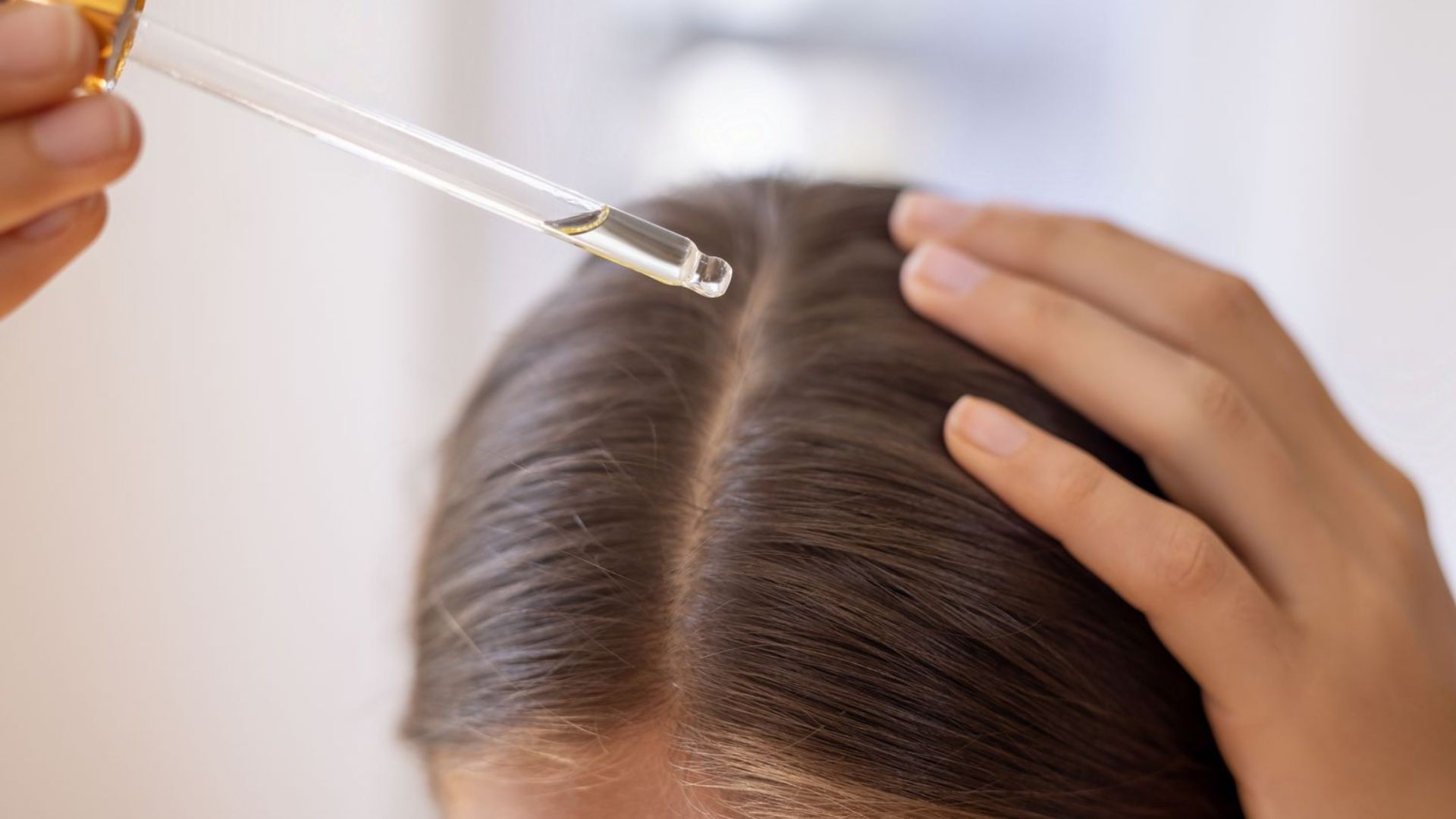
In another study using Wistar rats as a model for testosterone-induced alopecia (male-pattern hair loss), a topical formulation prepared with standardized rosemary extract was compared to a vitamin-like reference drug (finasteride). The results showed that the rosemary extract effectively supported hair growth (Eid AY, et al. 2025).
Furthermore, in a mouse experiment, a 1% hair lotion containing rosemary methanolic extract showed positive effects compared to both a control group and a lotion containing 2% minoxidil (Begum A, 2023). In short, these animal studies provide a strong foundation for future human research regarding both mechanism and tolerance.
Rosemary oil, thanks to its components (such as 1,8-cineole, camphor, and α-pinene), possesses antioxidant and vasodilator effects (Bikash, Chingshubam). This can increase blood flow to the scalp and help protect follicles damaged by oxidative stress.
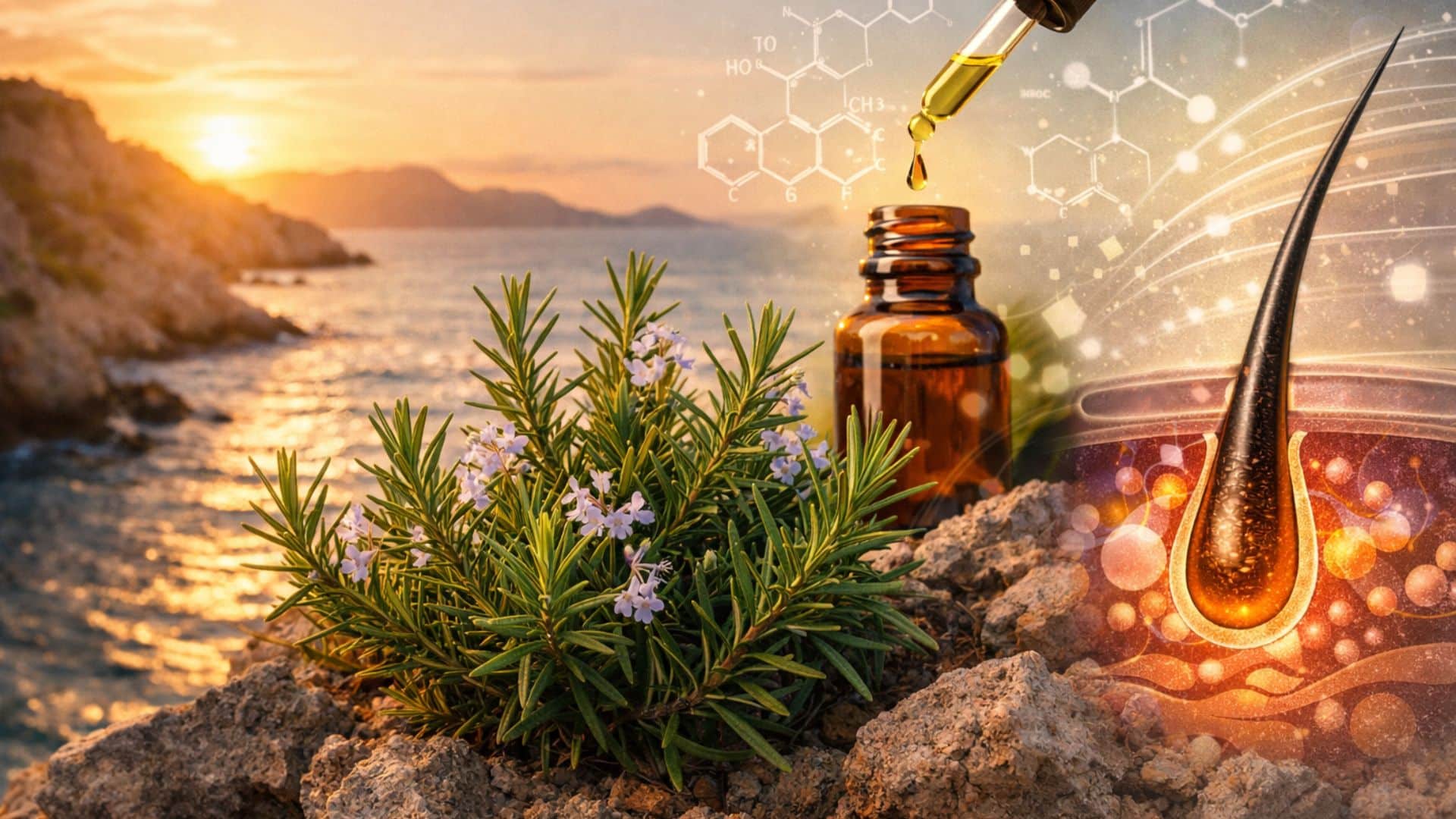
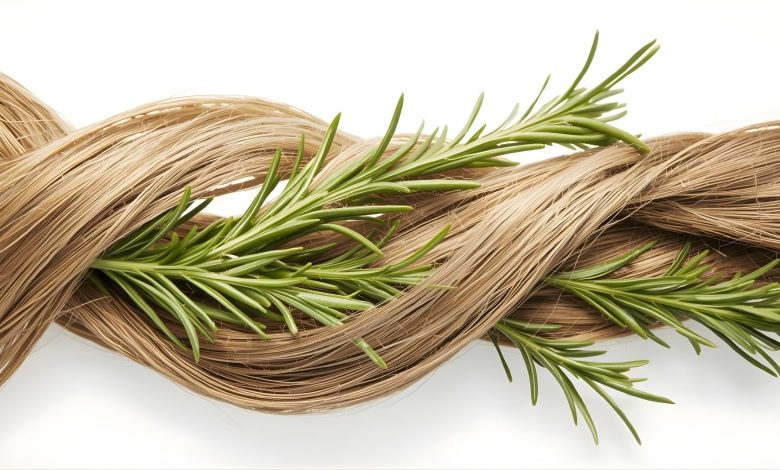
In conclusion, in light of current scientific data, we can say that rosemary oil does not cause hair to gray, nor does it magically turn existing gray hair back to its original color. However, thanks to the nourishing support it provides to hair roots, along with its ability to boost circulation and fight oxidative stress, it can help keep hair healthy and potentially slow the graying process.
Every drop of rosemary oil acts like a patient teacher of nature, slowing the passage of time and adding vitality and strength to your hair. It may not reverse every gray strand, but as you embrace them, it serves as a powerful companion in maintaining the natural beauty and health of your hair.
References and Further Reading
Andrade, J. M., Faustino, C., Garcia, C., Ladeiras, D., Reis, C. P., and Rijo, P. (2018). A current review of the phytochemistry and biological activity of Rosmarinus officinalis L. Future Science OA, 4(4). https://doi.org/10.4155/fsoa-2017-0124
Ayanoğlu, F., Başkaya, Ş., and Bahadırlı, N. P. (2016). Morphogenetic and ontogenetic variability in essential oil ratio, essential oil components, and antioxidant content of rosemary (Rosmarinus officinalis L.). Journal of the Faculty of Agriculture, Mustafa Kemal University, 21(1).
Begum, A., S, S., N, A. K., and Ali, S. S. (2023). Evaluation of herbal hair lotion loaded with rosemary for possible hair growth in C57BL/6 mice. Advanced Biomedical Research, 12, 60. https://doi.org/10.4103/abr.abr_306_21
Bikash, C. (2025). Topical alternatives for hair loss: Beyond the conventional. International Journal of Trichology, 17(1), 13-19. https://doi.org/10.4103/ijt.ijt_8_23
de Oliveira, J. R., Camargo, S. E. A., and de Oliveira, L. D. (2019). Rosmarinus officinalis L. (rosemary) as therapeutic and prophylactic agent. Journal of Biomedical Science, 26, 5. https://doi.org/10.1186/s12929-019-0499-8
Eid, A. Y., Al-Mahdy, D. A., Sayed, R. H., Choucry, M. A., and El-Askary, H. (2025). Topical application of standardized capsicum and rosemary extracts promotes hair growth in testosterone induced alopecia in Wistar rats: Histological and morphometric evaluation. Indian Journal of Pharmacology, 57(3), 134-144. https://doi.org/10.4103/ijp.ijp_636_24
Nieto, G., Ros, G., and Castillo, J. (2018). Antioxidant and antimicrobial properties of rosemary (Rosmarinus officinalis, L.): A review. Medicines, 5(3), 98. https://doi.org/10.3390/medicines5030098
Panahi, Y., Taghizadeh, M., Marzony, E. T., and Sahebkar, A. (2015). Rosemary oil vs minoxidil 2% for the treatment of androgenetic alopecia: A randomized comparative trial. Skinmed, 13(1), 15-21.
Patel, M. N., Tuli, N., Patel, N., and Merja, A. (2025). Rosmagain™ as a natural therapeutic for hair regrowth and scalp health: A double-blind, randomized, three-armed, placebo-controlled clinical trial. Cureus, 17(6), e85906. https://doi.org/10.7759/cureus.85906
Rabbani, P., Takeo, M., Chou, W., Myung, P., Bosenberg, M., Chin, L., Taketo, M. M., and Ito, M. (2011). Coordinated activation of Wnt in epithelial and melanocyte stem cells initiates pigmented hair regeneration. Cell, 145(6), 941-955. https://doi.org/10.1016/j.cell.2011.05.004
Sun, Q., Lee, W., Hu, H., Ogawa, T., De Leon, S., Katehis, I., Lim, C. H., Takeo, M., Cammer, M., Taketo, M. M., Gay, D. L., Millar, S. E., and Ito, M. (2023). Dedifferentiation maintains melanocyte stem cells in a dynamic niche. Nature, 616(7958), 774-782. https://doi.org/10.1038/s41586-023-05960-6
Wood, J. M., Decker, H., Hartmann, H., Chavan, B., Rokos, H., Spencer, J. D., Hasse, S., Thornton, M. J., Shalbaf, M., Paus, R., and Schallreuter, K. U. (2009). Senile hair graying: H2O2-mediated oxidative stress affects human hair color by blunting methionine sulfoxide repair. FASEB Journal, 23(7), 2065-2075. https://doi.org/10.1096/fj.08-125435
Originally published in Turkish at Doğa Filozofu.