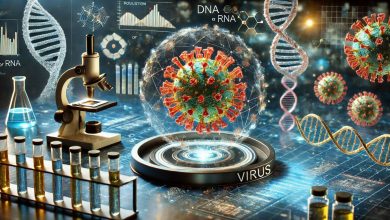

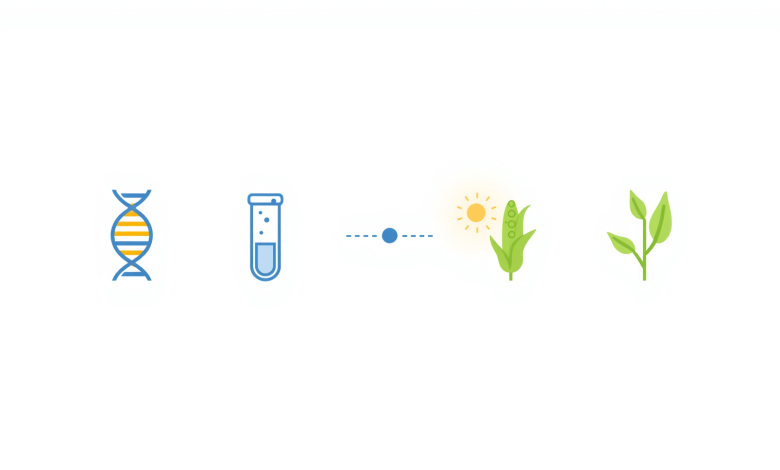
When we hear the term “Genetically Modified Organism” (GMO), most of us immediately think of crops and the food on our plates. But, contrary to what many believe, the concept of GMOs wasn’t originally designed for food production at all. At its core, a GMO is simply an organism whose genetic material has been deliberately altered using modern biotechnological techniques. You can think of it as giving an organism a new “feature” borrowed from another living thing. This definition applies to everything—plants, animals, and even bacteria.
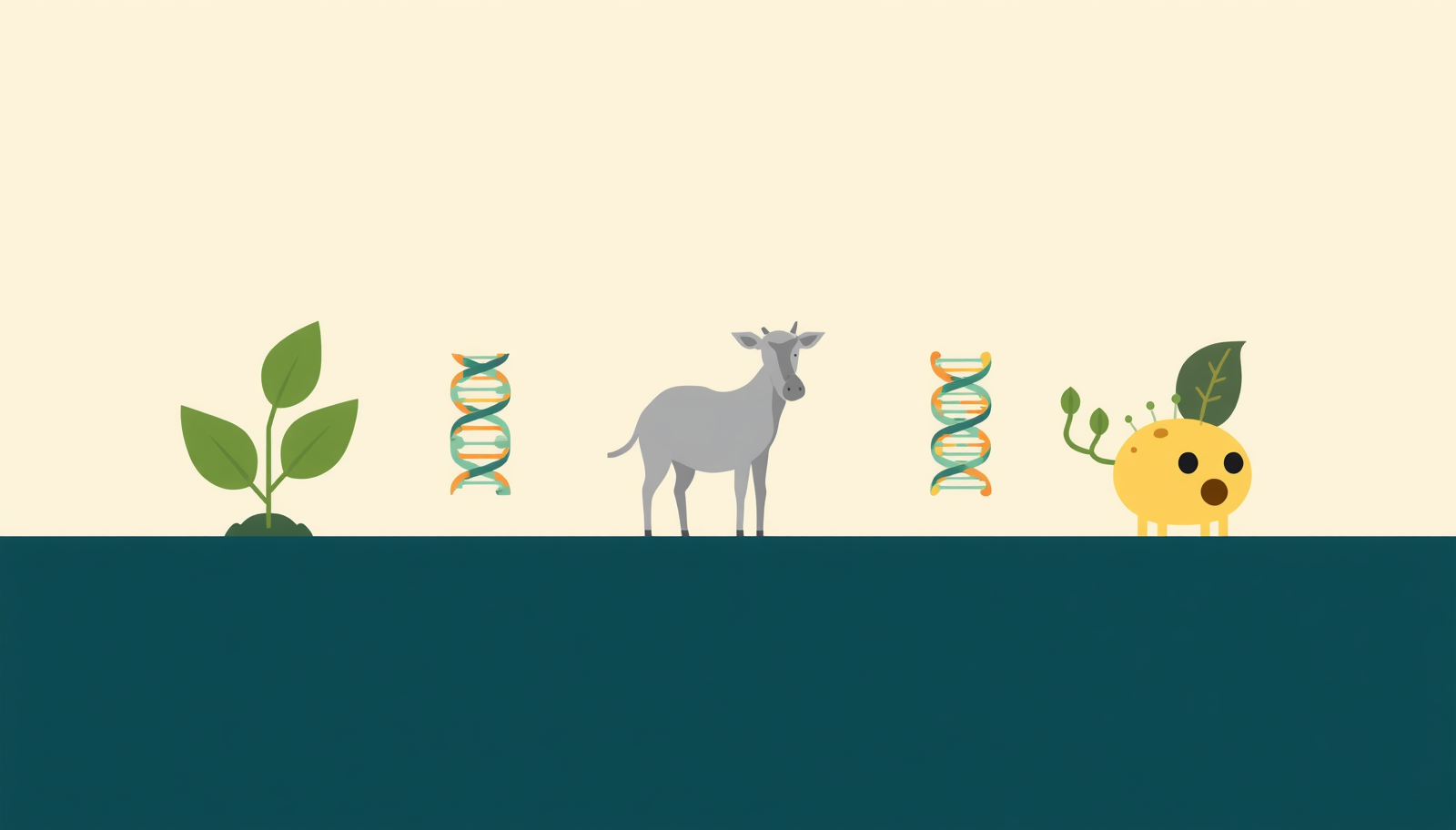
By the late 1970s, we were on the cusp of a massive breakthrough in genetic engineering. Scientists finally understood what genes were and had developed the tools to cut and paste DNA. The natural question that followed was: “Could a gene from one organism be made to work in another?” The first practical answer to this didn’t come from agriculture, but from the world of medicine. Specifically, it started with diabetes.
Insulin is a vital hormone produced in the pancreas of healthy individuals that regulates blood sugar. For people with diabetes, the body can’t produce it. For years, patients relied on insulin harvested from the pancreases of animals to stay alive. It was an expensive process, and it carried serious risks, like allergic reactions.
The solution they developed was essentially a classic factory production line—the only difference was that the “factory” was a bacterium. Scientists used genetic engineering to take the human gene responsible for insulin production and insert it into the bacterium’s own genetic code. As the bacteria multiplied, they were essentially scaling up the number of factories, each one churning out human insulin. This method led to the development of Humulin, a near-miraculous medicine for diabetics. It also became one of the greatest milestones in the history of genetic engineering, proving that genetic information could be transferred between organisms and put to functional use.
So, could this massive success solve problems in food and agriculture, too? In the 1980s, researchers began experimenting on plants, leading to the first commercial success in 1994: the “Flavr Savr” tomato. This genetically modified tomato softened more slowly, preventing it from rotting and going to waste during shipping or on supermarket shelves.
But genetic engineering really hit the mainstream in the 1990s through agriculture. The core problem was simple: cornfields were incredibly vulnerable to insect infestations, and for years, the only solution was dousing them in heavy chemical pesticides. These chemicals weren’t just inefficient; they posed serious risks to human health and the environment.
This is where the genetic methods often branded as the “killers of nature” came into play. Scientists added a gene to corn taken from a soil bacterium called Bacillus thuringiensis (or Bt for short), which produces proteins that are toxic to certain insects.
Suddenly, the corn was naturally resistant to pests, leading to a significant drop in the use of chemical pesticides. This, in turn, helped reduce the damage done to both human health and the environment.
Still, you might be asking, “Does this mean GMOs have absolutely no downsides for human health or the ecosystem?” Let’s take a closer look at the impact.
How Does Nature Respond to This New Tech?
Messing with genetics gives us a incredibly powerful tool. But we always need to calculate how that power affects the delicate balance of nature. One major danger is the way GMOs can threaten biological diversity in agriculture. While a technology that cuts down on pesticides is a win for the ecosystem, if farmers abandon local varieties to focus solely on a few lab-grown strains, we risk losing hundreds of plant species that have evolved over millennia. In nature, no species exists in a vacuum; all living things are linked like links in a chain. A loss of diversity like that doesn’t just stop at the plants—it ripples through the entire ecosystem, from fungi to animals.
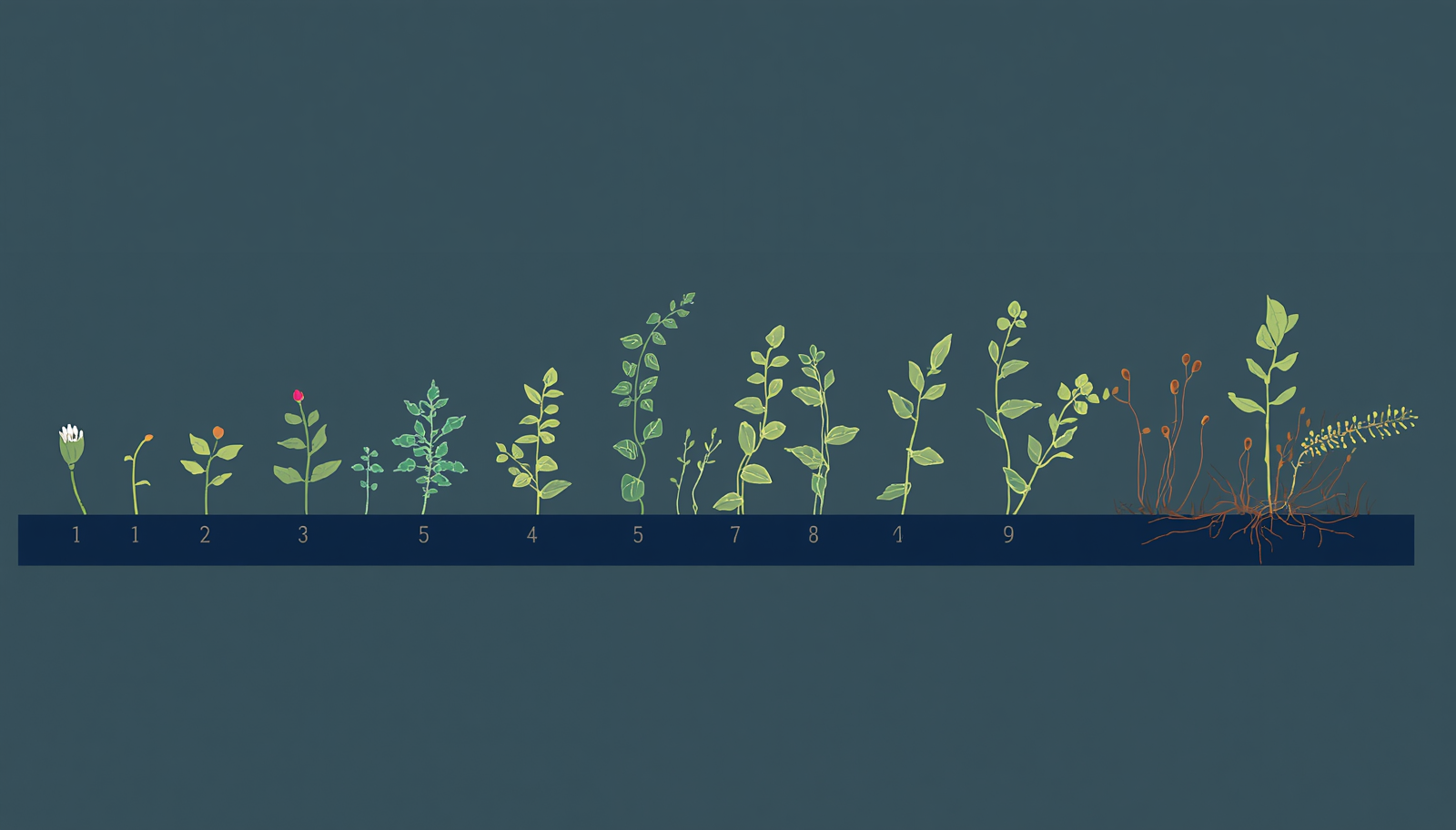
In comic books, superpowers usually go to the hero, but in agriculture, that’s not always how it plays out. Sometimes, that power ends up in the hands of a villain we never invited: superweeds. Today, we’re loading up our corn with a “superpower” against bugs and chemicals. But there’s a danger here we can’t ignore. Wild weeds grow right alongside those cornfields. What happens if those genes jump from the crop to the weeds?
That’s where the real risk lies. If the traits from genetically modified corn transfer to wild weeds, we could be looking at a nightmare scenario. A “superweed” that is immune to pesticides and spreads like wildfire would be a massive threat to agricultural ecosystems.
What About the Human Side?
One of the biggest selling points for GMOs was the reduction in pesticide use. Sure, we might not need to spray as much as we used to for bugs, but now we’re facing the superweeds we just mentioned. To deal with them, we have to turn to *other* chemicals. We trade one pesticide for another.
Like any chemical, these have their own risks to humans and the environment. You might be thinking, “Wait, wasn’t the whole point of GMOs to protect us from toxic chemicals? This feels like fixing a problem by creating a new one.” And you’d be right to think that.
That is exactly why the GMO issue isn’t black and white. Just like the technology itself, it offers solutions with one hand while potentially handing us new problems with the other.
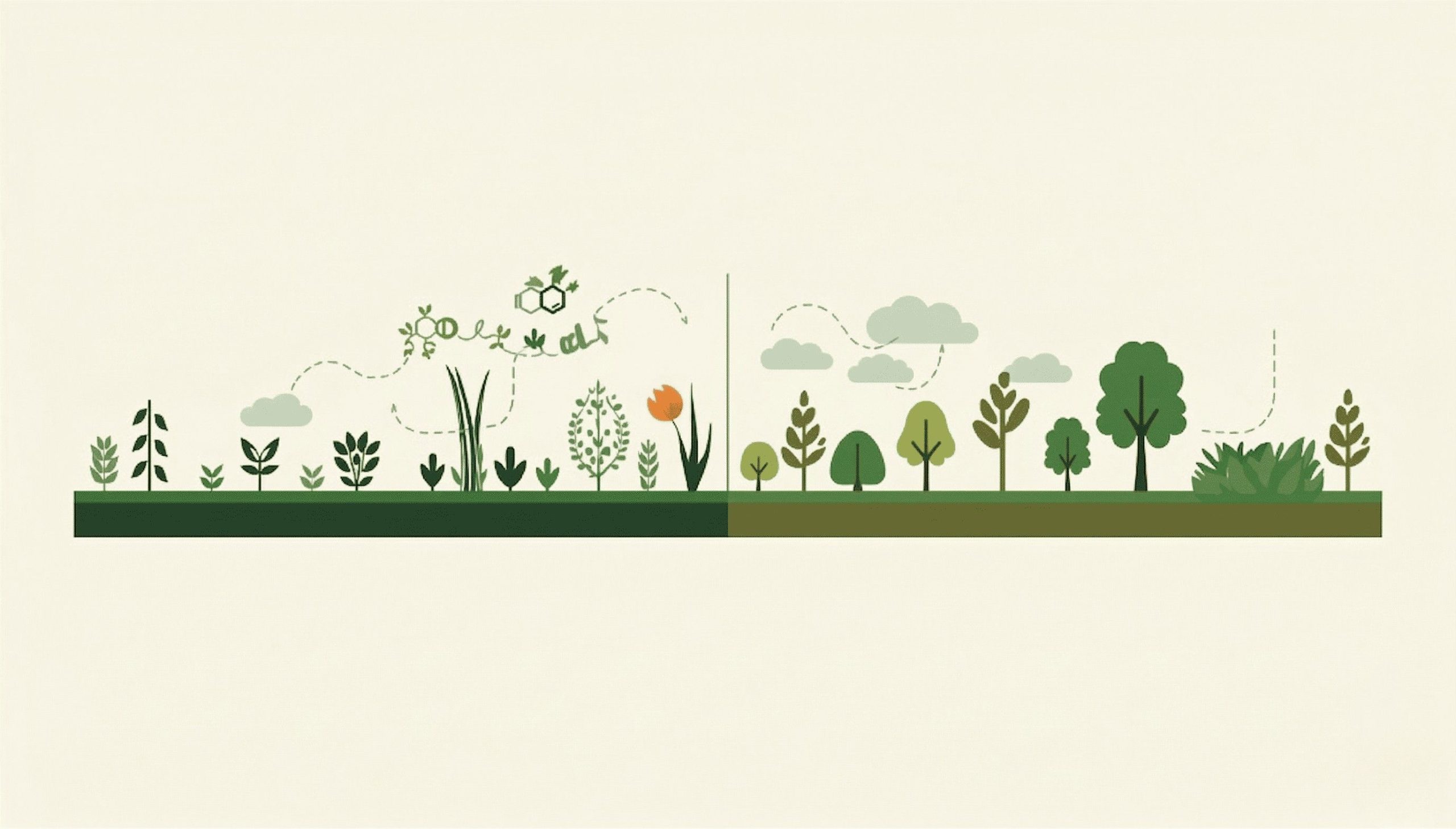
In truth, the GMO debate shares the same fate as many emerging technologies. When used correctly and refined over time, it holds the potential for incredible progress. But we cannot ignore the possibility that having the power to control and rewrite genes might tip the scales of nature. The real challenge is remembering that every move in such a powerful game has a counter-move, and the “solved” problem of today could easily resurface as a new, unexpected headache tomorrow.
References and Further Reading
Brookes, G., & Barfoot, P. (2020). GM crops: global socio-economic and environmental impacts 1996–2018. GM Crops & Food, 11(4), 215–241. https://doi.org/10.1080/21645698.2020.1773198
Food and Drug Administration. (n.d.). Science and history of GMOs and other food modification processes. https://www.fda.gov/food/agricultural-biotechnology/science-and-history-gmos-and-other-food-modification-processes
Giller, K. E., et al. (2024). [Article on agricultural biotechnology and GMOs]. Science. https://www.science.org/doi/10.1126/science.ado9340
Johnson, I. S. (1983). Human insulin from recombinant DNA technology. Science, 219(4585), 632–637. https://pubmed.ncbi.nlm.nih.gov/8299470/
University of Arkansas. (n.d.). [Article on genetically modified organisms]. ScholarWorks. https://scholarworks.uark.edu/cgi/viewcontent.cgi?article=1130&context=jflp
Originally published in Turkish at Doğa Filozofu.